 9 citations
,
May 2013 in “JAMA Dermatology”
9 citations
,
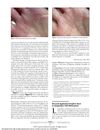
May 2013 in “JAMA Dermatology” Sunlight exposure improved a patient's skin condition, and there may be a link between a certain disease and skin growths; a leukemia treatment caused changes in hair color and growth.
 208 citations
,
July 2001 in “Journal of The American Academy of Dermatology”
208 citations
,
July 2001 in “Journal of The American Academy of Dermatology” Pregnancy can cause various skin changes and diseases, with PUPPP being the most common skin condition specific to pregnancy.
July 2022 in “European Journal of Dermatology” Brodalumab is more effective than ustekinumab in treating psoriasis.
 2 citations
,
January 2014 in “Springer eBooks”
2 citations
,
January 2014 in “Springer eBooks” The book details skin conditions in older adults, their link to mental health, cancer treatment importance, hair loss remedies, and managing autoimmune and itchy skin.
 9 citations
,
May 2013 in “JAMA Dermatology”
9 citations
,
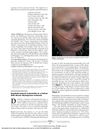
May 2013 in “JAMA Dermatology” A woman's hair turned white after taking a cancer drug called dasatinib.
 6 citations
,
April 2013 in “Current Dermatology Reports”
6 citations
,
April 2013 in “Current Dermatology Reports” Dermatologists are crucial for managing skin side effects in metastatic melanoma patients using vemurafenib and ipilimumab.

Doxycycline or flucloxacillin can cause a rare, severe skin reaction that can be fatal, especially in the elderly.
 25 citations
,
May 2018 in “Clinical & Translational Oncology”
25 citations
,
May 2018 in “Clinical & Translational Oncology” New melanoma treatments can cause skin side effects, including skin cancer and rashes, but combining treatments may reduce these risks.
 6 citations
,
January 2019 in “Dermatology Research and Practice”
6 citations
,
January 2019 in “Dermatology Research and Practice” Many survivors of Stevens-Johnson Syndrome and Toxic Epidermal Necrolysis in Togo suffer long-term eye and skin problems.
 33 citations
,
August 2006 in “Journal der Deutschen Dermatologischen Gesellschaft”
33 citations
,
August 2006 in “Journal der Deutschen Dermatologischen Gesellschaft” Pregnancy can cause specific skin conditions that need correct diagnosis and treatment to protect both mother and baby.
 10 citations
,
February 2022 in “JMIR Dermatology”
10 citations
,
February 2022 in “JMIR Dermatology” People with Down syndrome often have skin issues and need regular check-ups for early treatment.
 January 2026 in “Forum Dermatologicum”
 Hair loss can be caused by cancer, treatments, or skin conditions, and trichoscopy helps diagnose it.
People with Down syndrome have a higher risk of skin disorders and need better screening and treatment.
 243 citations
,
September 2016 in “Dermatology and Therapy”
243 citations
,
September 2016 in “Dermatology and Therapy” Dermoscopy is a useful tool for identifying features of skin conditions, but more research is needed to define its role in dermatology.
 192 citations
,
January 2015 in “Journal of the American Academy of Dermatology”
192 citations
,
January 2015 in “Journal of the American Academy of Dermatology” Targeted cancer therapies often cause serious skin problems that need careful management.
 74 citations
,
September 1980 in “Medical Clinics of North America”
74 citations
,
September 1980 in “Medical Clinics of North America” Toxic epidermal necrolysis is a severe skin condition often caused by drugs, with complex treatment and a high risk of death, but survivors usually heal without scars.
 53 citations
,
April 2018 in “Journal of The American Academy of Dermatology”
53 citations
,
April 2018 in “Journal of The American Academy of Dermatology” Cancer treatments often cause hair disorders, significantly affecting patients' quality of life, and better management methods are needed.
 42 citations
,
April 2012 in “Seminars in Oncology”
42 citations
,
April 2012 in “Seminars in Oncology” Targeted cancer therapies often cause skin problems that need careful management to improve patient quality of life and treatment success.
 33 citations
,
November 2014 in “Military Medicine”
33 citations
,
November 2014 in “Military Medicine” The U.S. military's teledermatology program was effective in providing fast and successful skin care in remote locations, preventing unnecessary evacuations.
 21 citations
,
February 2013 in “Clinics in Dermatology”
21 citations
,
February 2013 in “Clinics in Dermatology” New treatments for advanced skin cancer are improving patient outcomes, but drug resistance and finding the right treatment combinations are still big challenges.
 19 citations
,
October 2011 in “Clinics in Dermatology”
19 citations
,
October 2011 in “Clinics in Dermatology” New chemotherapy drugs cause skin side effects, but treatments like minocycline and tetracycline can help reduce them.
 16 citations
,
February 2019 in “Pediatric Blood & Cancer”
16 citations
,
February 2019 in “Pediatric Blood & Cancer” Most children with CNS tumors on targeted therapy had skin reactions, which were generally treatable without stopping the therapy.
 15 citations
,
December 2014 in “Dermatology and therapy”
15 citations
,
December 2014 in “Dermatology and therapy” Sorafenib can cause facial acne-like eruptions, which improve after reducing the dose or stopping the drug.
 2 citations
,
September 2012 in “Actas Dermo-Sifiliográficas”
2 citations
,
September 2012 in “Actas Dermo-Sifiliográficas” Societal pressure for the perfect body leads to health risks and disorders.
 1 citations
,
March 2019 in “Actas Dermo-Sifiliográficas”
1 citations
,
March 2019 in “Actas Dermo-Sifiliográficas” New cancer treatments are less harmful to hair but can still cause hair loss, color, shape, and growth changes.
 March 2026 in “Frontiers in Oncology”
 Dermatologists should focus on restoring skin health and well-being in cancer survivors.
 January 2018 in “Springer eBooks”
 Cancer treatments targeting specific cells often cause skin, hair, and nail problems, affecting patients' lives and requiring careful management.

Chemotherapy can cause skin issues and hair loss, and this guide explains how to manage them.
 105 citations
,
February 2017 in “British Journal of Dermatology”
105 citations
,
February 2017 in “British Journal of Dermatology” Survivors of Stevens-Johnson syndrome/toxic epidermal necrolysis need ongoing care for various long-term health problems.
 88 citations
,
July 2014 in “Journal of the American Academy of Dermatology”
88 citations
,
July 2014 in “Journal of the American Academy of Dermatology” Targeted cancer therapies often cause skin reactions, so dermatologists must manage these effects.