 December 2023 in “Asian journal of medical sciences”
 Psoriasis is the most common cause of erythroderma, and proper medical follow-up is crucial.
 109 citations
,
October 2007 in “American Journal of Human Genetics”
109 citations
,
October 2007 in “American Journal of Human Genetics” Giving a special protein to dogs with a certain genetic disease improved their symptoms but didn't help with hair growth.
 9 citations
,
July 2017 in “Dermatologic Therapy”
9 citations
,
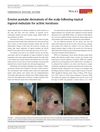
July 2017 in “Dermatologic Therapy” Two elderly men developed scalp inflammation after using a gel for skin lesions, which healed with treatment except for some permanent hair loss.
 35 citations
,
April 2014 in “American Journal of Medical Genetics”
35 citations
,
April 2014 in “American Journal of Medical Genetics” Boys with less severe EDA mutations in XLHED have milder symptoms and better sweat and hair production.
 9 citations
,
January 2011 in “EXPERIMENTAL ANIMALS”
9 citations
,
January 2011 in “EXPERIMENTAL ANIMALS” A new rat strain with a specific gene mutation causes hair loss and kidney issues.
 October 2024 in “Journal of the Endocrine Society”
 Type B Insulin Resistance Syndrome is rare, linked to lupus, and hard to treat due to severe insulin resistance.
 April 2026 in “Frontiers in Medicine”
 Enfortumab vedotin can cause skin issues, especially in older males, needing early monitoring.
 1 citations
,
April 2025 in “Clinical Cosmetic and Investigational Dermatology”
1 citations
,
April 2025 in “Clinical Cosmetic and Investigational Dermatology” Erlotinib can cause scalp pustules and hair loss, needing early treatment with antibiotics and steroids.
November 2021 in “European Heart Journal Supplements” A woman with lupus had right heart failure due to blood clots in her lungs, but treatment improved her condition.
 April 2024 in “African Journal of Biological Sciences”
 The patient with lupus and Degos' disease showed significant improvement with treatment.
 3 citations
,
July 2004 in “SKINmed/Skinmed”
3 citations
,
July 2004 in “SKINmed/Skinmed” A 4-year-old girl was diagnosed with erythrokeratodermia variabilis after other treatments failed.
 September 2024 in “International Journal of Contemporary Pediatrics”
 A multidisciplinary approach is crucial for treating complex cases of Rapunzel syndrome in children.

A genetic mutation in the EDA gene causes hypohidrotic ectodermal dysplasia in cats.
November 2025 in “American Journal of Case Reports” Genetic testing is crucial for diagnosing and treating acrodermatitis enteropathica effectively.
 16 citations
,
August 2011 in “Annals of Allergy Asthma & Immunology”
16 citations
,
August 2011 in “Annals of Allergy Asthma & Immunology” A woman with severe angioedema improved significantly after treatment with rituximab.
67 citations
,
August 2004 in “Endocrinology” A specific gene mutation causes vitamin D resistance, but certain vitamin D analogs might help.
7 citations
,
November 2020 in “Journal of Tissue Viability” Transplanting a person's own hair can heal chronic wounds in certain skin conditions.
107 citations
,
March 2014 in “BoneKEy Reports” Mutations in the vitamin D receptor cause hereditary vitamin D-resistant rickets, leading to poor bone health and requiring high calcium doses for treatment.
July 2024 in “The Egyptian Journal of Hospital Medicine” 34% of patients on hepatitis C treatment had reversible skin issues.
 October 2025 in “BMC Pediatrics”
 Timely zinc treatment is crucial for preventing severe complications in Acrodermatitis enteropathica.
5 citations
,
August 2012 in “Anais Brasileiros de Dermatologia” Dermatologists should guide patients on blood donation timing due to various eligibility criteria.
56 citations
,
March 2003 in “Journal of Investigative Dermatology” 17β-estradiol can reduce inflammation in the skin.
November 2025 in “Journal of Investigative Dermatology” TEDAR is crucial for skin cell differentiation and barrier formation.
 21 citations
,
January 2015 in “Dermatologic Therapy”
21 citations
,
January 2015 in “Dermatologic Therapy” Latanoprost may cause scalp inflammation and delayed healing.
January 2026 in “Case Reports in Rheumatology” Rituximab improved her dermatomyositis better than usual treatments.
September 2007 in “The American Journal of Gastroenterology” Recognizing lupus as a cause of severe gut issues is crucial for effective treatment.
 37 citations
,
April 2010 in “FEBS Letters”
37 citations
,
April 2010 in “FEBS Letters” The study concludes that the EDA2R gene is activated by p53 during chemotherapy but is not necessary for chemotherapy-induced hair loss.
 1 citations
,
January 2024 in “Pediatric Endocrinology Diabetes and Metabolism”
1 citations
,
January 2024 in “Pediatric Endocrinology Diabetes and Metabolism” Cinacalcet may help treat hereditary vitamin D resistant rickets safely.
December 2019 in “Saintika Medika” A woman with lupus also developed a severe skin condition linked to a genetic factor.
 January 2024 in “Oxford medical case reports”
 Standard treatment for congenital erythropoietic porphyria was ineffective over five years.