
Topical minoxidil often causes side effects like scalp irritation, but most users continue treatment.
 1 citations
,
January 2018 in “International Journal of Research in Dermatology”
1 citations
,
January 2018 in “International Journal of Research in Dermatology” Adding finasteride to minoxidil solution for hair loss treatment didn't show extra benefits, just increased cost and fear of side effects.
 January 2014 in “Anales Médicos de la Asociación Médica del Centro Médico ABC”
 The treatment effectively promoted hair growth with minimal side effects.
Anionic surfactants significantly improve the foaming of minoxidil gel shampoo.
 101 citations
,
March 1987 in “Journal of The American Academy of Dermatology”
101 citations
,
March 1987 in “Journal of The American Academy of Dermatology” Minoxidil solution helps hair regrowth in alopecia areata, with 5% being more effective.

Minoxidil nanoliposomes boost hair growth and reduce scalp bacteria better than regular minoxidil.
 June 2010 in “Chin J Postgrad Med”
 Using prednisone, zinc, and minoxidil together effectively treats hair loss with long-term benefits and is safe to use.
 2 citations
,
October 2020 in “The Journal of clinical and aesthetic dermatology”
2 citations
,
October 2020 in “The Journal of clinical and aesthetic dermatology” The herbal mix (Biochanin A, Acetyl tetrapeptide-3, and Ginseng Extracts) and the 3% Minoxidil solution are equally effective in treating hair loss, but the herbal mix has fewer side effects.
 June 2024 in “Acta dermato-venereologica”
 Topical minoxidil effectively stimulates hair growth in men with hair loss.
October 2021 in “QJM: An International Journal of Medicine” Both sildenafil and minoxidil effectively treat male hair loss, but impact hair differently.
 10 citations
,
May 2007 in “PubMed”
10 citations
,
May 2007 in “PubMed” 1% topical minoxidil solution significantly improved hair growth in Japanese women with androgenetic alopecia, with no major side effects.
August 2025 in “International Journal of Scientific Research” Oral minoxidil effectively promotes hair growth in men with hair loss, but caution is needed for older or heart-risk patients.
7 citations
,
September 1991 in “PubMed” 2% topical minoxidil helps hair regrowth in women with androgenetic alopecia.
December 2019 in “Arak Medical University Journal” Adding 7% chamomile extract to minoxidil reduces skin side effects in treating male hair loss.
January 2005 in “Belarusian State Pedagogical University repository (Belarusian State Pedagogical University)” 0.5% TPGS boosts hair growth with minoxidil, but 2% TPGS increases minoxidil absorption.
 June 2025 in “Journal of Population Therapeutics and Clinical Pharmacology”
 The combination of microneedling, PRP, and minoxidil is more effective for hair loss than minoxidil alone.
26 citations
,
June 1988 in “PubMed” 3% topical minoxidil is ineffective for severe chronic alopecia areata.
August 2022 in “Journal of The European Academy of Dermatology and Venereology” 
Topical minoxidil increases hair density in androgenetic alopecia but has unclear clinical significance.
 February 2024 in “Dermatology Reports”
 Microneedling combined with minoxidil is more effective and safe for hair growth in men with hair loss.
January 2018 in “Surgical and Cosmetic Dermatology” Latanoprost and minoxidil effectively control hair loss and increase hair count.
January 2022 in “Al-Mağallaẗ al-ʻirāqiyyaẗ li-l-ṣaydalaẗ” New minoxidil formulations improve hair loss treatment.
July 2026 in “Journal of Cosmetic Dermatology” Combining oxygen-enriched PRP with minoxidil is more effective for hair growth than using minoxidil alone.
 March 2005 in “Journal of The American Academy of Dermatology”
 Two lotions used day and night may be a good alternative to minoxidil for hair loss, with better cosmetic effects and tolerance.
November 2022 in “Al-Azhar International Medical Journal (Print)” Combining 5% spironolactone and 5% minoxidil is safe and more effective for treating hair loss.
April 2024 in “Journal of Pakistan Association of Dermatologists” Adding procapil to minoxidil is more effective for hair loss than using minoxidil alone.
 14 citations
,
August 2019 in “Journal of Dermatological Treatment”
14 citations
,
August 2019 in “Journal of Dermatological Treatment” 10% minoxidil solution better promotes hair growth and reduces hair loss without significant side effects.
 1 citations
,
May 2007 in “International Journal of Dermatology”
1 citations
,
May 2007 in “International Journal of Dermatology” Minoxidil, when applied to the scalp, can stimulate hair growth but effects vary, stop if treatment ends, and it may cause side effects like fluid retention.
 12 citations
,
November 2011 in “International Journal of Dermatology”
12 citations
,
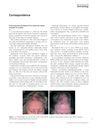
November 2011 in “International Journal of Dermatology” A woman developed a scalp condition from using minoxidil, which improved with a different treatment but left scarring.