 January 2026 in “The Eurasian Journal of Life Sciences”
 Pectin nanofibers show promise for medical use due to their unique properties.
 January 2026 in “International journal of research and scientific innovation”
 A natural hair cream with 15% extract is stable, effective, and better for hair and scalp than synthetic creams.
 November 2025 in “Saudi Journal of Medical and Pharmaceutical Sciences”
 Mango pectin and coconut oil gels may help treat traction alopecia.
 September 2025 in “Drug Design Development and Therapy”
 Combining platelet-rich products, biomaterials, and bioactive substances may improve skin treatment, but more research is needed.
 May 2022 in “Pharmacognosy journal”
 Moringa seed oil may help prevent hair loss and promote hair growth.
 July 2018 in “International journal of clinical & experimental dermatology”
 Eat a balanced diet for healthy hair; only use supplements if you have a proven nutrient deficiency.
 January 2016 in “Springer eBooks”
 Understanding drug interactions, side effects, and patient-specific factors is crucial for effective dermatological care.
 December 2015 in “University of Birmingham Institutional Research Archive (University of Birmingham)”
 AKR1C3 could be a treatment target for metabolic issues in PCOS.
 January 2015 in “Durham e-Theses (Durham University)”
 Adipose tissue changes in obesity can trigger stress in fat cells.
 December 2013 in “Biomedical and biopharmaceutical research”
 Nanotechnology shows promise for better drug delivery and cancer treatment.
 January 2009 in “Springer eBooks”
 The document concludes that managing skin conditions during pregnancy is important and requires specialized care.
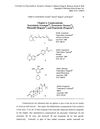
Isotretinoin and tazarotene help treat acne, while minoxidil and finasteride promote hair growth.
 233 citations
,
November 2002 in “The journal of investigative dermatology/Journal of investigative dermatology”
233 citations
,
November 2002 in “The journal of investigative dermatology/Journal of investigative dermatology” Creating stronger blockers for skin enzymes might lead to better treatment for conditions like acne and excessive hair growth.
 7 citations
,
March 2017 in “Medical Hypotheses”
7 citations
,
March 2017 in “Medical Hypotheses” Aquaporins could be new drug targets for treating polycystic ovary syndrome.
 March 2024 in “Organic letters”
 A new method efficiently modifies alkenes to create useful medicinal compounds.
January 2003 in “Dialnet (Universidad de la Rioja)” The study found ways to create important compounds for male health from olive waste.
6 citations
,
May 2022 in “Journal of Organometallic Chemistry” The process efficiently converts α-pinene oxide to campholenic aldehyde using a special catalyst, achieving high yields quickly.
 1 citations
,
January 2017 in “Chinese Journal of Organic Chemistry”
1 citations
,
January 2017 in “Chinese Journal of Organic Chemistry” Using K2S2O8 as an oxidizing agent in a specific condition, we can make Finasteride with 96.3% yield and 99.6% purity. This method is also good for other compounds and is environmentally friendly.
January 2025 in “Analytical Methods” A new fluorescent material can detect dextran sulfate sodium, turning green when present, useful for forensic and environmental monitoring.
12 citations
,
February 2023 in “Applied and Environmental Microbiology” Mutants of CYP154C2 enzyme significantly improved steroid conversion efficiency.
 12 citations
,
January 2009 in “Journal of Oleo Science”
12 citations
,
January 2009 in “Journal of Oleo Science” Sterol surfactants can effectively dissolve UV ray absorbers.
December 2025 in “Brazilian Journal of Chemical Engineering” 6 citations
,
August 2024 in “Advanced Science” A new method efficiently creates biaryl N-oxides with potential for cancer treatment and drug development.
January 2005 in “Industrial Catalysis” The process effectively regenerates the Pd/C catalyst for finasteride synthesis.
October 2025 in “Coloration Technology” Delipidised wool is brighter, dyes better, and is more eco-friendly.
1 citations
,
January 2003 in “Chinese Journal of Pharmaceuticals” A new method to make Finasteride is more cost-effective and yields 16%.
January 2011 in “Zhongguo xin yao zazhi” A new, safer method to make finasteride from progesterone is effective for industrial use.
1 citations
,
December 1913 in “Biochemical Journal” Isocholesterol is a confirmed and recognized sterol.
52 citations
,
February 2005 in “Biopolymers” Chemical hair straightening changes hair proteins and mostly fixes broken bonds.
January 2009 in “Chemical Reagents” The method produces finasteride with a 92% yield.