 December 2014 in “Bali Medical Journal”
 Females have higher estrogen receptor levels in hair than males, and these levels decrease in white hair compared to black hair.
 August 2009 in “International Journal of Dermatology”
 A postmenopausal woman's facial redness, acne, and excess hair were caused by too much hormone therapy for insomnia, but improved after stopping the treatment.
Estrogen and its receptors play a key role in hair growth, with differences between males and females.
July 2013 in “e-Jurnal Medika Udayana” Estrogen helps promote hair growth in women with androgenetic alopecia.
154 citations
,
October 1996 in “Proceedings of the National Academy of Sciences of the United States of America” Estrogen affects hair growth and skin cell multiplication.
 113 citations
,
April 1999 in “The Journal of Clinical Endocrinology and Metabolism”
113 citations
,
April 1999 in “The Journal of Clinical Endocrinology and Metabolism” Cyproterone acetate-estrogen most effective for hirsutism, but consider side effects and patient needs.
74 citations
,
December 1995 in “The Journal of Clinical Endocrinology & Metabolism” Leuprolide plus estrogen is more effective than oral contraceptives for reducing hirsutism.
72 citations
,
November 2002 in “Journal of Investigative Dermatology” Estrogen receptor α controls hair growth cycles and skin thickness in male mice.
71 citations
,
February 2000 in “Endocrinology and metabolism/American journal of physiology: endocrinology and metabolism” Estradiol stops hair growth in mice, but an antagonist can reverse this effect.
68 citations
,
May 1991 in “The Journal of clinical endocrinology and metabolism/Journal of clinical endocrinology & metabolism” Both cyproterone acetate and spironolactone effectively reduce hair growth in women with hirsutism.
67 citations
,
December 2009 in “International Journal of Dermatology” Hormonal changes in skin may cause stretch marks.
46 citations
,
July 1974 in “The Journal of Clinical Endocrinology & Metabolism” Low estrogen and high testosterone may cause excessive hair growth in women.
 37 citations
,
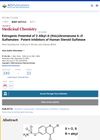
September 2003 in “Journal of Medicinal Chemistry”
37 citations
,
September 2003 in “Journal of Medicinal Chemistry” A substance called Compound 2g can strongly block STS (a hormone-related enzyme) without affecting estrogen levels, making it potentially good for treating breast cancer.
36 citations
,
July 1980 in “Journal of Toxicology and Environmental Health” High doses of ethynylestradiol in rats caused growth issues, organ changes, and some tumors, but didn't increase overall tumor rates.
26 citations
,
March 1981 in “Clinical Endocrinology” Oestrogen does not affect adrenal androgen levels in children and adolescents.
 23 citations
,
April 1999 in “The Journal of Clinical Endocrinology and Metabolism”
23 citations
,
April 1999 in “The Journal of Clinical Endocrinology and Metabolism” All treatments reduce hair growth; low dose flutamide most effective with fewer side effects.
 19 citations
,
March 1998 in “Endocrinology”
19 citations
,
March 1998 in “Endocrinology” Male rats have more somatostatin neurons than females due to testosterone converting to estrogen during early development.
19 citations
,
March 1994 in “Fertility and sterility” The combination therapy reduced hirsutism in women with PCOD and was well-tolerated.
18 citations
,
August 2019 in “Clinical breast cancer” Local hormonal treatment for vulvovaginal atrophy is likely safe for women with estrogen receptor-positive breast cancer on aromatase inhibitors.
11 citations
,
July 1998 in “Journal of Investigative Dermatology” β-estradiol slows hair growth in mice.
8 citations
,
July 2022 in “International Journal of Molecular Sciences” 17β-estradiol lowers polyamine oxidase levels in breast cancer cells through estrogen receptor 2.
 8 citations
,
January 1998 in “Journal of Investigative Dermatology”
8 citations
,
January 1998 in “Journal of Investigative Dermatology” Topical estrogen treatments did not change hair growth in certain mouse strains, questioning previous findings on their role in hair growth control.
3 citations
,
August 2021 in “Nutrition research” Estrogen affects how vitamin A is processed in mouse skin, which may impact acne treatment, hair growth, and skin defense.
 3 citations
,
May 2016 in “Dermatology Online Journal”
3 citations
,
May 2016 in “Dermatology Online Journal” Changing estrogen levels during menopause might affect genes related to body rhythms and cause increased hair loss.
 3 citations
,
December 2011 in “Pediatric Dermatology”
3 citations
,
December 2011 in “Pediatric Dermatology” The patient's long-term hair loss was caused by leukemia treatments and low estrogen levels, worsened by her genetic tendency for hair loss.
3 citations
,
April 2010 in “The FASEB Journal” Estrogen and MLL enzymes work together to regulate genes important for hair growth and leukemia.
1 citations
,
July 2024 in “Journal of Plastic Reconstructive & Aesthetic Surgery” Estrogen therapy can help stabilize the hairline in transfeminine individuals.
1 citations
,
July 2021 in “Frontiers in Oncology” Neoadjuvant endocrine therapy led to a better future outlook than chemotherapy, with no major quality of life differences.
 April 2026 in “microPublication”
 Minoxidil might partially activate estrogen receptors, affecting hair growth.
 July 2025 in “The Egyptian Journal of Hospital Medicine”
 Estrogen affects hair growth, and GPER-1 levels might help identify hair loss types.