 1 citations
,
May 2025 in “International Journal of Applied Pharmaceutics”
1 citations
,
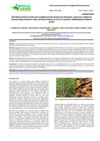
May 2025 in “International Journal of Applied Pharmaceutics” The nanogel with Bangkal bark extract effectively fights acne-causing bacteria.
21 citations
,
June 2004 in “Experimental Dermatology” Ber‐EP4 marks cells related to the secondary hair germ in hair follicles.
 March 2022 in “Indonesian Journal of Chemistry”
 Curcuma aeruginosa has various chemical components and health benefits.
 August 2024 in “Journal of Renal Injury Prevention”
 A new method using a Foley catheter on a ureteroscope makes difficult urethral catheterization easier and more effective.
November 2025 in “Probiotics and Antimicrobial Proteins” 4 citations
,
April 2022 in “Microorganisms” Povidone iodine reduced skin bacteria more than chlorhexidine gluconate, but neither met FDA reduction standards.
Microorganisms improve plant root growth in acidic soils, boosting productivity.
Current microbial test methods for hair cosmetics need revision due to strong bacteriostasis.
 January 2024 in “Biochemistry Research International”
 Compounds from Ziziphus spina-christi roots show strong antibacterial and antioxidant potential.
January 2019 in “Elsevier eBooks” Pustules are pus-filled bumps often seen in skin conditions like acne and infections.
 4 citations
,
September 2024 in “BMC Oral Health”
4 citations
,
September 2024 in “BMC Oral Health” Children with Epidermolysis Bullosa need better access to specialized dental care.
 March 2011 in “European Urology Supplements”
 CEC levels may be a useful marker for predicting prostate cancer progression.
 November 2024 in “Polymers for Advanced Technologies”
 The hydrogel effectively heals wounds and kills bacteria.
16 citations
,
April 2021 in “Plant Signaling & Behavior” MYB30 and EIN3 work against each other to control root hair growth and phosphorus uptake in plants when phosphate is low.
21 citations
,
November 2019 in “Molecular & Cellular Proteomics” Citrullinated proteins from Porphyromonas gingivalis may contribute to rheumatoid arthritis.
 4 citations
,
April 2025 in “Scientific Reports”
4 citations
,
April 2025 in “Scientific Reports” Platelet-rich plasma can temporarily inhibit some drug-resistant bacteria in diabetic foot infections.
 August 2023 in “Clinical, Cosmetic and Investigational Dermatology”
 Research on the human skin microbiome has grown, focusing on skin health and diseases, with more studies needed on antibiotic resistance and AI applications.
 2 citations
,
November 2022 in “Frontiers in Pharmacology”
2 citations
,
November 2022 in “Frontiers in Pharmacology” Local healers in Addis Ababa use 81 medicinal plants, mainly from the Asteraceae family, to treat skin and general diseases, with Echinops kebericho being an endangered plant important in their practices.
20 citations
,
August 2010 in “The Journal of Urology” Ezetimibe effectively reduces prostate size in cases of benign prostatic hyperplasia.
 20 citations
,
February 2019 in “Genes”
20 citations
,
February 2019 in “Genes” The study concludes that mutations in the AEBP1 gene can cause a form of Ehlers-Danlos syndrome and should be considered in diagnosis.
32 citations
,
September 2003 in “European journal of oral sciences” People with ectodermal dysplasias often have reduced saliva production and should get saliva tests.
2 citations
,
February 2024 in “bioRxiv (Cold Spring Harbor Laboratory)” Androgens like testosterone make Staphylococcus aureus skin infections more common in men.
 April 2018 in “Journal of Investigative Dermatology”
 The new protocol using Cellutome™ and RCM safely assesses wound healing in detail.
February 2026 in “ACS Omega” The hydrogel effectively treats oral mucositis by reducing oxidative damage and bacterial infection.
91 citations
,
August 2019 in “Frontiers in Microbiology” RpoS helps Borrelia burgdorferi survive in hosts and adapt to different environments.
 6 citations
,
April 2023 in “Frontiers in plant science”
6 citations
,
April 2023 in “Frontiers in plant science” Certain bacteria can boost lentil growth and improve soil used for farming.
July 2025 in “Journal of Investigative Dermatology” DACC-based dressings are more effective than silver-based ones for treating chronic wounds with antimicrobial resistance.
8 citations
,
July 1986 in “International Journal of Dermatology” Eruptive vellus hair cysts are harmless skin bumps that may go away on their own.
1647 citations
,
June 2014 in “BMJ” Evidence-based medicine needs improvement to better tailor treatments to individual patients.
January 1994 in “Memorial University Research Repository (Memorial University)” Oleosomes help cell growth in Sesbania rostrata nodules but don't aid nitrogen fixation.