May 2020 in “Authorea (Authorea)” Olfactory receptors found outside the nose may offer new treatments for diseases like cancer and help in wound healing and hair growth.
January 2020 in “Indian Journal of Pharmaceutical Sciences” Natural products show promise for new hair loss treatments.
 September 2023 in “Frontiers in Medicine”
 The scalp fat tissue of men with hair loss shows changes in gene activity that may contribute to their condition.
81 citations
,
January 2000 in “American journal of clinical dermatology” Various treatments can improve post-acne scars, but results vary.
53 citations
,
January 2013 in “Journal of toxicologic pathology” The project created a standardized system for classifying skin lesions in lab rats and mice.
23 citations
,
November 2019 in “International Journal of Molecular Sciences” Adipose-derived stem cells can help repair tissue in lipodystrophy patients.
 May 2023 in “Scientific Reports”
 The seed extract of Lepidium sativum L. can potentially treat hair loss, showing effects similar to 5% minoxidil.
 January 2026 in “Preprints.org”
 Mimicking fetal wound environments may enable scarless healing in adults.
January 2026 in “Burns & Trauma” RNA modifications help heal wounds and could lead to new treatments.
 31 citations
,
August 2021 in “Stem Cell Research & Therapy”
31 citations
,
August 2021 in “Stem Cell Research & Therapy” The conclusion is that understanding how hair follicle stem cells live or die is important for maintaining healthy tissue and repairing injuries, and could help treat hair loss, but there are still challenges to overcome.
1 citations
,
October 2025 in “Transfusion Medicine and Hemotherapy” Platelet-rich plasma shows promise for treating dry eye disease, but more standardized trials are needed.
October 2025 in “Burns & Trauma” Engineered probiotics can help heal wounds faster, especially in diabetic foot ulcers.
14 citations
,
September 2024 in “Cosmetics” Exosomes and cell culture-conditioned media improve skin quality and reduce aging signs.
 April 2026 in “Pharmaceutics”
 Cellulose-based skin dressings show promise for wound healing but need more research and clinical trials.
Nanotechnology shows promise for better hair loss treatments but needs more research for safety and effectiveness.
 3 citations
,
April 2022 in “Bioengineering”
3 citations
,
April 2022 in “Bioengineering” Ultrasound can help deliver genes to cells to stimulate tissue regeneration and enhance hair growth, but more research is needed to perfect the method.
Stem cell treatments show promise for improving skin and hair, but need more research and standardization.
129 citations
,
July 2019 in “Stem Cell Research & Therapy” Epidermal stem cells help heal severe skin wounds and have potential for medical treatments.
56 citations
,
November 2022 in “Biomolecules” Targeting macrophages may improve wound healing.
26 citations
,
October 2020 in “Biomedicines” Bioengineered skin models help reduce animal testing and advance research in cosmetics and skin disease.
20 citations
,
November 2021 in “Biomedicines” Adipose-derived stem cells show promise in treatments but need more research for safety, especially in cancer.
9 citations
,
November 2024 in “Journal of Wound Management Official journal of the European Wound Management Association” Cold Plasma shows promise for healing wounds by killing bacteria and helping tissue grow.
 8 citations
,
June 2022 in “International Journal of Molecular Sciences”
8 citations
,
June 2022 in “International Journal of Molecular Sciences” Tiny particles called extracellular vesicles show promise for skin improvement and anti-aging in facial care but face challenges like low production and lack of research.
7 citations
,
April 2020 in “Applied Sciences” Ultrasound helps create gels that speed up tissue formation.
 March 2026 in “Preprints.org”
 The combined stem cell secretome in the skin care product effectively reduces inflammation and promotes tissue regeneration.
February 2026 in “Exploration” Advancements in gene therapy, stem cells, and biomaterials show promise for reducing scarring in wound healing, but face clinical challenges.
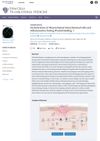 July 2023 in “Stem Cells Translational Medicine”
 Mesenchymal Stem/Stromal Cells (MSCs) help in wound healing and tissue regeneration, but can also contribute to tumor growth. They show promise in treating chronic wounds and certain burns, but their full healing mechanisms and potential challenges need further exploration.
10 citations
,
June 2021 in “EMBO reports” When skin blisters, healing the wound is more important than growing hair, and certain stem cells mainly fix the blisters without helping hair growth.
 2 citations
,
August 2022 in “BMC veterinary research”
2 citations
,
August 2022 in “BMC veterinary research” Hair follicle stem cells from Arbas Cashmere goats can become fat, nerve, and liver cells.
November 2022 in “IntechOpen eBooks” Nanotechnology can improve wound healing by enhancing treatments and dressings.