52 citations
,
June 1998 in “British journal of dermatology/British journal of dermatology, Supplement” Ruby laser treatment is effective and well-tolerated for reducing hair growth.
4 citations
,
October 2025 in “Journal of Cosmetic Dermatology” Unregulated exosome-based injections can cause severe skin reactions and scarring.
March 2003 in “International Society of Hair Restoration Surgery” Lasers are now less popular for hair restoration.
 February 2018 in “Journal of Aesthetic Nursing”
 Clinics using lasers should have trained laser safety supervisors to reduce accidents and possibly lower insurance costs.
September 1998 in “Journal of the European Academy of Dermatology and Venereology” 14 citations
,
November 2009 in “Dermatologic Surgery” Laser hair removal can cause severe allergic reactions.
 3 citations
,
October 2022 in “Clinical, Cosmetic and Investigational Dermatology”
3 citations
,
October 2022 in “Clinical, Cosmetic and Investigational Dermatology” The 532 nm laser effectively reduces facial vascular and pigmented lesions, with the VISIA system reliably assessing treatment results.
 7 citations
,
August 2015 in “Dermatologic Surgery”
7 citations
,
August 2015 in “Dermatologic Surgery” The cross beam laser is a useful tool for safely measuring scalp stretchiness to improve hair transplant results.
15 citations
,
January 2019 in “Lasers in surgery and medicine” Home-use light devices can significantly reduce hair but are less effective on very dark skin and slower than professional devices.
January 2025 in “Journal of Biosciences and Medicines” Careful patient selection is crucial for safe and effective fractional CO2 laser therapy.
November 2015 in “Springer eBooks” Laser hair removal can be effective for people with darker skin tones.
3 citations
,
August 2024 in “Journal of Cosmetic Dermatology” Combining laser therapy with hair extraction improves eyebrow scar treatment.
4 citations
,
November 2000 in “Dermatologic surgery” The cooling gel reduces pain during laser hair removal.
2 citations
,
December 2012 in “Dermatologic Surgery” 90 citations
,
February 2000 in “Dermatologic Surgery” Alexandrite laser hair removal is safe for darker skin tones.
1 citations
,
June 2006 in “Journal of Cosmetic Dermatology” Photoepilation may disrupt normal wound healing and increase the risk of scars.
31 citations
,
February 1999 in “Dermatologic surgery” Sun exposure after laser hair removal can cause skin darkening, which is hard to treat and requires avoiding UV light.
 January 1989 in “Journal of The American Academy of Dermatology”
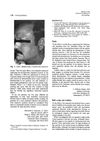
 Dr. Hanke acknowledges the success of CO₂ laser for less severe blast tattoos and suggests dermabrasion for more extensive injuries, while also discussing dermatology's media presence and issues with minoxidil research.
 15 citations
,
January 1996 in “Lasers in Surgery and Medicine”
15 citations
,
January 1996 in “Lasers in Surgery and Medicine” Lasers in hair transplantation may have potential but require caution due to possible damage and reduced graft survival.
 9 citations
,
October 2022 in “Nature Communications”
9 citations
,
October 2022 in “Nature Communications” The DiLiCre mouse model is an effective tool for precise genome editing using light.
 August 2025 in “Photodermatology Photoimmunology & Photomedicine”
 LED therapy is a promising, non-invasive skin treatment, but needs standardization and personalization.
July 2024 in “Journal of Investigative Dermatology” CRISPR/Cas9 and prime editing can potentially fix skin disorder genes safely and effectively.
29 citations
,
September 2008 in “Dermatologic Therapy” Lasers and light sources are effective for removing unwanted hair.
1 citations
,
February 2025 in “Photodermatology Photoimmunology & Photomedicine” 830 nm LED light effectively treats and prevents skin redness and dark spots, while 590 nm LED light only helps prevent them.
21 citations
,
April 2019 in “Journal of cosmetic and laser therapy” Laser hair removal is popular for long-term hair reduction but carries risks, requiring well-trained operators and better regulations, especially in South Africa.
3 citations
,
January 2003 in “Facial plastic surgery” Laser hair removal is a noninvasive way to reduce unwanted hair long-term.
 9 citations
,
November 2013 in “Dermatologic Surgery”
9 citations
,
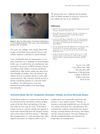
November 2013 in “Dermatologic Surgery” Hair transplant complications were likely due to deep graft placement and rough handling.
 August 2019 in “Journal of The American Academy of Dermatology”
 5% minoxidil foam effectively regrows hair in women, with postmenopausal women seeing the most improvement.
 August 2019 in “Journal of The American Academy of Dermatology”
 Bleach baths with 0.005% hypochlorite help manage atopic dermatitis by affecting skin cells and reducing itchiness.
 18 citations
,
August 2018 in “Facial Plastic Surgery Clinics of North America”
18 citations
,
August 2018 in “Facial Plastic Surgery Clinics of North America” Lasers, microneedling, and PRP improve skin rejuvenation and repair, with PRP enhancing the effects when combined with other treatments.