 9 citations
,
May 2021 in “Archives of Dermatological Research”
9 citations
,
May 2021 in “Archives of Dermatological Research” Home-based skin care devices are generally safe and effective for hair removal, promoting hair growth, treating wrinkles and acne, but results for psoriasis treatment are mixed.
21 citations
,
March 2020 in “Journal of lasers in medical sciences” Diode laser hair removal is effective and safe, but side effects vary by ethnicity and treatment number.
 June 2001 in “Proceedings of SPIE”
 Low energy laser therapy effectively treats certain skin conditions and improves recovery time without side effects.
 January 2026 in “Inflammation and Regeneration”
 Two-photon microscopy improves skin imaging but faces safety and cost challenges for clinical use.
 134 citations
,
September 2008 in “Lasers in surgery and medicine”
134 citations
,
September 2008 in “Lasers in surgery and medicine” Low fluence photoepilation temporarily removes hair by targeting the hair follicle's pigmented area without severe damage.
 June 2026 in “Lasers in Medical Science”
 Diode laser is more effective but more painful than intense pulsed light for hair removal.
 10 citations
,
January 2000 in “Journal Of Cutaneous Laser Therapy”
10 citations
,
January 2000 in “Journal Of Cutaneous Laser Therapy” Laser hair removal might also work by damaging blood vessels around hair follicles.
1 citations
,
July 2024 in “Journal of lasers in medical sciences” The laser treatment effectively improved facial pigmentation with no major side effects.

Gene editing holds promise for skin treatments but needs careful safety and ethical consideration.
 19 citations
,
September 2015 in “Therapeutic Delivery”
19 citations
,
September 2015 in “Therapeutic Delivery” Active transdermal technologies in cosmetics help deliver skin treatments effectively, but their safety and effectiveness depend on skin type and treatment choice.
February 2022 in “INTERNATIONAL JOURNAL OF SCIENTIFIC RESEARCH” Home-based laser devices are effective for hair removal, skin rejuvenation, and stimulating hair growth, but more research is needed on their safety and long-term effects.
 5 citations
,
February 2015 in “Dermatologic Surgery”
5 citations
,
February 2015 in “Dermatologic Surgery” Two cases of a rare skin condition were successfully treated with laser therapy, offering a non-surgical treatment option.
 70 citations
,
June 2017 in “Nature Communications”
70 citations
,
June 2017 in “Nature Communications” A new laser technique can precisely remove specific cell types in living animals without harming nearby cells.
 1 citations
,
April 2019 in “Journal of Investigative Dermatology”
1 citations
,
April 2019 in “Journal of Investigative Dermatology” VB1953 gel significantly reduced acne and resistant bacteria in patients who didn't respond to clindamycin.
 1 citations
,
April 2019 in “Journal of Investigative Dermatology”
1 citations
,
April 2019 in “Journal of Investigative Dermatology” Dupilumab is effective and safe for treating moderate-to-severe atopic dermatitis in adolescents.
 April 2019 in “Journal of Investigative Dermatology”
 Sandalore®, a synthetic scent, improved hair loss and satisfaction in women with telogen effluvium.
 April 2019 in “Journal of Investigative Dermatology”
 Many patients with autoimmune blistering skin disorders change their diets, avoiding foods like alcohol, citrus, and spices, and some find vegetables and dairy helpful.
Laser hair removal works well for light skin with dark hair but needs caution for darker skin.
July 2026 in “Materials Today Bio” The MQ complex helps heal melanoma wounds by controlling ROS levels with light.
 January 2023 in “Dermatologic Therapy”
 A new hand-held light therapy device was found to be safe and effective for treating mild-to-moderate acne.
July 2002 in “Journal of Cosmetic Dermatology” Laser and Eflornithine are more effective for hair removal than traditional methods.
3 citations
,
September 2001 in “Dermatologic Surgery” Adding a 5 W CO2 laser to the Er:YAG laser improved bleeding control without harming hair growth or causing damage.
 April 2024 in “Cognizance journal”
 The alexandrite laser effectively reduces unwanted hair by about 75%.
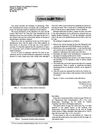 1 citations
,
December 1996 in “Journal of Clinical Laser Medicine & Surgery”
1 citations
,
December 1996 in “Journal of Clinical Laser Medicine & Surgery” A doctor describes a new, less expensive method for treating skin issues with a laser, and another doctor corrects a false claim about hair transplantation results.
April 2020 in “The Aesthetics” LED-LLLT helps heal wounds, reduce pain, and regrow hair using specific light wavelengths.
 18 citations
,
May 2013 in “Journal of Dermatological Treatment”
18 citations
,
May 2013 in “Journal of Dermatological Treatment” Non-ablative fractional laser treatments have a low risk of side effects in Asian patients.
 February 2009 in “Journal of The American Academy of Dermatology”
 Pulsed dye laser treatment was effective for a skin condition resistant to other treatments.
16 citations
,
December 2022 in “Expert Opinion on Drug Delivery” AFL is safe and effective for topical drug delivery but needs larger studies and cheaper devices for wider use.
33 citations
,
May 2016 in “Translational andrology and urology” Laser hair removal before genital surgery can prevent complications and improve patient satisfaction.
 1 citations
,
January 2001 in “Dermatologic Surgery”
1 citations
,
January 2001 in “Dermatologic Surgery” Pulsed dye laser and hydrogel dressings effectively treat hypertrophic scars.