 2 citations
,
March 2025 in “Archives of Dermatological Research”
2 citations
,
March 2025 in “Archives of Dermatological Research” HEV light can harm or help skin and scalp, so safe exposure guidelines are needed.
 June 2020 in “The journal of investigative dermatology/Journal of investigative dermatology”
 Pulsed red light boosts collagen and energy in cells faster than continuous red light.
 41 citations
,
October 2024 in “Nature Communications”
41 citations
,
October 2024 in “Nature Communications” A new wearable LED device helps heal chronic infected wounds at home.
May 2010 in “Europe PMC (PubMed Central)” Near-infrared probes can safely and effectively image cysteine protease activity for disease diagnosis.
2 citations
,
September 2017 Laser Lax is a new tool that measures scalp looseness accurately and comfortably.
 April 2023 in “Research Square (Research Square)”
 Combining stromal vascular fraction (SVF) injections with fractional CO2 laser treatment is more effective for treating burn scars than using the laser alone.
27 citations
,
February 2003 in “Cell and Tissue Research” FM dyes effectively stain Merkel cells for long-term observation.
 July 2016 in “Dermatologie pro praxi”
 Espumil foam base allows easy preparation of skin medications for hairy areas.
 3 citations
,
July 2003 in “PubMed”
3 citations
,
July 2003 in “PubMed” The research found a way to measure hair surface changes by analyzing how light reflects off of it, and determined hair cuticle angles vary by hair length and color.
November 2025 in “Bioactive Materials” The cryogel effectively heals infected wounds and promotes tissue regeneration without scarring.
 11 citations
,
April 2021 in “Advanced synthesis & catalysis”
11 citations
,
April 2021 in “Advanced synthesis & catalysis” PXX is an effective and affordable photocatalyst for creating new chemical bonds in organic synthesis.
 58 citations
,
November 2013 in “Journal of Innovative Optical Health Sciences”
58 citations
,
November 2013 in “Journal of Innovative Optical Health Sciences” Multiphoton microscopy is a promising tool for detailed skin imaging and could improve patient care if its challenges are addressed.
23 citations
,
July 2021 in “Life” Blue light can help treat skin conditions like eczema and acne without major side effects.
 January 2026 in “Drug Delivery and Translational Research”
 Multicomponent crystals in microneedles improve drug delivery for hair loss treatment.
4 citations
,
April 2011 in “Plastic & Reconstructive Surgery” Nonsurgical cosmetic treatments, like lasers and fillers, are important for enhancing patient outcomes.
3 citations
,
December 2014 in “Aesthetic dermatology” Radiofrequency is effective for noninvasive wrinkle treatments and body contouring.
 160 citations
,
December 2016 in “Journal of biophotonics”
160 citations
,
December 2016 in “Journal of biophotonics” Low-level laser therapy, now called photobiomodulation, is recognized for its broad medical applications and scientific backing.
 10 citations
,
August 2018 in “Dermatologic Surgery”
10 citations
,
August 2018 in “Dermatologic Surgery” Laser treatment improves hair density and increases growth factors in androgenetic alopecia.
 February 2024 in “Journal of Cosmetic Dermatology”
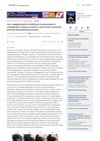
 White hair patch repigmented and hair regrew in a balding patient after treatment with exosomes and laser.
19 citations
,
January 2023 in “ACS Omega” SEF cryogels effectively kill bacteria, stop bleeding, and speed up wound healing.
 25 citations
,
August 1998 in “Dermatologic Surgery”
25 citations
,
August 1998 in “Dermatologic Surgery” Dissecting microscopes give more and better quality hair grafts than magnifying loupes.
10 citations
,
May 2024 in “Lasers in Surgery and Medicine” Laser hair removal effectively reduces hidradenitis suppurativa symptoms with few side effects.
March 2023 in “Clinical Cosmetic and Investigational Dermatology” Microneedling and fractional CO2 laser are compared as methods for delivering stem cell secretomes for skin rejuvenation.
 May 2025 in “Lasers in Medical Science”
 Er: YAG laser treatment can help balance scalp bacteria in hair loss patients.
April 2025 in “Asian Journal of Surgery”  42 citations
,
December 2014 in “Clinical, cosmetic and investigational dermatology”
42 citations
,
December 2014 in “Clinical, cosmetic and investigational dermatology” Nonablative radiofrequency treatments, especially microneedle and fractional types, can improve acne scars by 25%–75% after 3-4 sessions, with full results in 3 months and some side effects.
 6 citations
,
October 2018 in “Lasers in Medical Science”
6 citations
,
October 2018 in “Lasers in Medical Science” Low-level laser therapy using near-infrared light may help heart conditions and promote healing by releasing nitric oxide.
 January 2009 in “Elsevier eBooks”
 Low level laser therapy may help with hair loss.
 March 2024 in “Journal of Cosmetic Dermatology”
 Laser-pretreated blood for hair loss treatment was more effective and increased stem cells.
8 citations
,
February 2024 in “Burns”