SL-HyDE improves medical information retrieval accuracy without needing labeled data.
 January 2025 in “Bright Sky Publications eBooks”
 Balanced diets and informed food choices are crucial for better health.
 December 2024 in “International Journal of experimental research and review”
 Adding obesity data to machine learning models improves heart disease prediction accuracy.
 March 2024 in “Drug development & registration”
 Mesenchymal stem cell secretome shows promise for skin treatments but needs more human trials.
 March 2024 in “Asian journal of medical sciences”
 Ring block anesthesia is the best method for PRP scalp injections due to low pain and high patient acceptance.
 January 2024 in “Wiadomości Lekarskie”
 New methods are being developed to improve drug delivery to the brain.
 January 2024 in “Wiadomości Lekarskie”
 VSELs may hold the key to longer life through regenerative therapies.
 January 2024 in “Wiadomości Lekarskie”
 In the late 19th century, Jagiellonian University in Krakow was a hub for medical innovations in surgery, diagnostics, and cardiology.
 January 2024 in “Wiadomości Lekarskie”
 New vaccine technologies are improving global health by making vaccines more effective and long-lasting.
 January 2024 in “Wiadomości Lekarskie”
 Robotic surgery's benefits over traditional methods are unclear and need more research.
 January 2024 in “Wiadomości Lekarskie”
 Aortic aneurysm treatment has shifted to less invasive methods, improving safety and outcomes.
 January 2024 in “Wiadomości Lekarskie”
 Rhabdomyosarcoma is the most common head and neck cancer in children, requiring complex treatment.
 November 2023 in “Frontiers in veterinary science”
 The study provides insights into hair growth mechanisms in yaks.
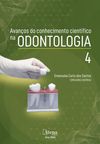
The treatment improved facial structure and corrected bite issues in patients.
 September 2023 in “International journal of medicine”
 AI is revolutionizing healthcare by improving diagnosis, treatment, and monitoring, but still needs close supervision.
 January 2023 in “International Journal of Pharmaceutical and Clinical Research”
 Follicular targeting could improve hirsutism treatment by focusing directly on hair follicles.
 December 2022 in “theses.fr (ABES)”
 Microplastics in the Lebanese Mediterranean carry harmful pollutants, posing environmental and health risks.
 November 2022 in “International journal of biology, pharmacy and allied sciences”
 The new herbal shampoo is effective, safe, and more affordable than other products.
 March 2022 in “Marmara University Open Access System”
 Digital games are part of new media but need a deeper look at their complex nature and cultural roots.

Men's skincare products with essential oils can improve skin health and may increase male interest in cosmetics.

PlacMA hydrogels from human placenta are versatile and useful for cell culture and tissue engineering.
 April 2019 in “Journal of Investigative Dermatology”
 The search scheme SMRI is faster and more secure for retrieving encrypted data from the cloud.

Proretinal nanoparticles are a safe and effective way to deliver retinal to the skin.
 November 2017 in “Dermatologic Clinics”
 Men are increasingly interested in cosmetic treatments that enhance masculinity and address aging without downtime, with tailored approaches for different ethnicities and a focus on hair restoration and body contouring.
 January 2016 in “Georg Thieme Verlag eBooks”
 More East Asians are accepting and getting facial plastic surgery, with a focus on natural-looking results and using both surgical and nonsurgical methods.
 January 2016 in “Springer eBooks”
 New materials and methods could improve skin healing and reduce scarring.

Forensic hair analysis for drugs is now more reliable and accurate.
 January 2015 in “D-Scholarship@Pitt (University of Pittsburgh)”
 Diabetic patients' stem cells make vascular grafts more prone to clots, but new methods may improve grafts.
 January 2008 in “Journal für Kardiologie (Krause & Pachernegg GmbH)”
 Healthy aging can be promoted through physical activity, lifestyle changes, and certain treatments.
 January 2001 in “Dermatologic Surgery”
 The letters discussed medical tools, costs, treatment efficacy, and patient care complexities.