 August 2022 in “Frontiers in genetics”
 A new genetic change in the DSC3 gene is linked to a rare condition causing hair loss and skin blisters in a child.
July 2024 in “Journal of Investigative Dermatology” CRISPR/Cas9 and prime editing can potentially fix skin disorder genes safely and effectively.
 December 2025 in “Cureus”
 Localized dystrophic epidermolysis bullosa (DEB) can lead to scarring alopecia, highlighting the need to recognize and address this complication.
18 citations
,
June 1993 in “Archives of Dermatological Research” Human hair follicles can be used to create skin-like tissue for wound healing and drug testing.
6 citations
,
April 2023 in “Cosmetics” Exosomes could be effective for improving skin health and treating skin diseases.
January 2014 in “China Animal Husbandry & Veterinary Medicine” EGF, IGF-I, and IGF-IR genes are crucial for mink skin and hair growth.
44 citations
,
August 1990 in “PubMed” Keratins K1 and K10 are found in the inner root sheath and cuticle of human hair follicles.
 July 2026 in “Editora Pasteur eBooks”
 Exosomes may help treat hair loss by promoting hair growth and restoring hair follicles.
47 citations
,
April 1978 in “Journal of Cutaneous Pathology” Basal cell epithelioma resembles fetal hair follicles, not adult or fetal skin.
5 citations
,
April 2016 in “PubMed” Cetuximab often causes skin problems, but they can be managed without stopping treatment.
 146 citations
,
May 2002 in “The American journal of pathology”
146 citations
,
May 2002 in “The American journal of pathology” Cathepsin L is essential for normal hair growth and development.
10 citations
,
April 1979 in “American Journal of Veterinary Research” Canine circumanal glands develop from hair follicle sheath cells, not sebaceous glands, and lack exocrine ducts.
18 citations
,
January 2019 in “European journal of histochemistry” Cattle skin has leptin which might control skin and hair growth.
 5 citations
,
February 2018 in “Experimental Dermatology”
5 citations
,
February 2018 in “Experimental Dermatology” Scientists developed a way to isolate sweat glands from the scalp during hair transplants, keeping them alive for 6 days for research and cosmetic uses.
 February 2024 in “Skin health and disease”
 Exosomes could improve skin and hair treatments but are limited by cost, production difficulty, and need for more research.
April 2018 in “Journal of Investigative Dermatology” Ceramide synthase 4 is essential for maintaining skin barrier health.
3 citations
,
July 2022 in “Indian Journal of Dermatology” ALEP is a drug-triggered skin reaction with pustules that clears up in a week after stopping the drug.
 1 citations
,
September 2015 in “Elsevier eBooks”
1 citations
,
September 2015 in “Elsevier eBooks” SOX2 is crucial for skin cell function and hair growth, and it plays a role in skin cancer and wound healing.
88 citations
,
December 2003 in “Journal of Biological Chemistry” Epiprofin helps cells grow in developing teeth, hair, and limbs.
63 citations
,
January 2021 in “Adipocyte” Adipose tissue-derived exosomes help regulate metabolism and may aid in disease treatment.
3 citations
,
August 2017 in “Clinical case reports” A rare skin condition causes red and dark patches on the face and limbs.
 418 citations
,
September 2012 in “Nature”
418 citations
,
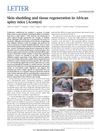
September 2012 in “Nature” African spiny mice can regenerate skin, hair, and cartilage, but not muscle, and their unique abilities could be useful for regenerative medicine.
3 citations
,
August 2024 in “Dermatology and Therapy” Gene and cell therapies are being developed to treat rare skin conditions like epidermolysis bullosa and ichthyosis.
August 2024 in “Archives of Dermatological Research” CHI3L1 and CXCL5 proteins help promote hair growth.
 1 citations
,
July 2023 in “Nature communications”
1 citations
,
July 2023 in “Nature communications” MOF controls key genes for skin development by regulating mitochondrial and ciliary functions.
 9 citations
,
January 2008 in “Acta histochemica et cytochemica”
9 citations
,
January 2008 in “Acta histochemica et cytochemica” COX-2 levels change during the hair cycle and affect skin and hair growth.
April 2021 in “Journal of Investigative Dermatology” Early-stage skin substitutes improve wound healing and skin structure.
35 citations
,
September 2006 in “American Journal Of Pathology” Odontogenic keratocysts are caused by abnormal Hedgehog signaling and can lead to tooth and bone issues.
5 citations
,
May 2021 in “Small ruminant research” The study found specific proteins that could mark different growth stages of cashmere goat hair and may help improve cashmere production.
292 citations
,
October 1985 in “The Journal of Cell Biology” Keratins and filaggrin change as fetal skin develops, marking key stages of skin formation.