 January 2025 in “Case Reports in Dermatological Medicine”
 Exosome therapy improved hair growth and quality in a child with hair issues.
 1 citations
,
October 2025 in “International Journal of Nanomedicine”
1 citations
,
October 2025 in “International Journal of Nanomedicine” Exosomes could revolutionize skin disease treatment and healing.
 October 2025 in “International Journal of Nutrology”
 Improving gut health can enhance skin health and aid in treating skin diseases.
2 citations
,
November 2020 in “Hair transplant forum international” Exosomes might be a promising new treatment for hair loss.
January 2026 in “DOAJ (DOAJ: Directory of Open Access Journals)” EH-MSCs can help regrow hair by boosting IGF-1 and reducing IL-1Beta.
 July 2026 in “Frontiers in Medicine”
 Regenerative therapies like PRP and exosomes show potential in hair transplantation but need more consistent evidence and standardized protocols.
 47 citations
,
February 2021 in “Pharmacological research”
47 citations
,
February 2021 in “Pharmacological research” Exosomes can improve skin health and offer new treatments for skin repair and rejuvenation.
 1 citations
,
June 2023 in “Cells”
1 citations
,
June 2023 in “Cells” Exosomes could be a promising way to help repair skin and treat skin disorders.
 September 2025 in “Frontiers in Cell and Developmental Biology”
 TCM-derived nanovesicles show promise for wound healing and skin regeneration but need more research.
 February 2026 in “Plastic and Aesthetic Research”
 Regenerative aesthetic medicine aims to restore tissue function, but needs more consistent evidence and standardized practices.
 November 2025 in “Molecular and Cellular Biomedical Sciences”
 Exosome therapy from treated stem cells may help reduce inflammation and promote hair regrowth in alopecia.
August 2025 in “Regenerative Therapy” Exosomes from platelet-rich plasma can help regrow hair by reducing oxidative stress.
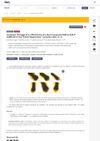 February 2024 in “Cosmetics”
 The correction fixes an image mistake in the original publication, but the findings on the hair treatment's effectiveness are unchanged.
Exosome therapies improve skin, hair, and healing but face challenges like cost and regulation.
 June 2026 in “International Science Journal”
 Tissue bioengineering and regenerative medicine are improving tissue restoration and recovery, with promising new therapies and personalized approaches.
 November 2025 in “Frontiers in Pharmacology”
 Gentamicin-loaded exosomes improve healing of infected diabetic wounds in mice.
 November 2025 in “IECCMEXICO”
 Regenerative therapies are improving aesthetic surgery by enhancing tissue quality and healing.
 August 2025 in “Stem Cell Research & Therapy”
 Exosomes from stem cells can help regrow hair better than minoxidil.
 July 2024 in “Journal of Nanobiotechnology”
 Mouse cell exosomes help hair regrowth and wound healing by activating a specific signaling pathway.
 December 2025 in “Medical Sciences”
 Regenerative therapies show promise for hair regrowth, but more research and standardization are needed.
February 2025 in “Experimental Cell Research” Combining specific proteins and cell-derived particles may help treat hair loss.
January 2025 in “Open Science Framework” Current evidence is insufficient to fully endorse regenerative therapies for hair loss.

New treatments for hair loss show promise, including plasma, stem cells, and hair-stimulating complexes, but more research is needed to fully understand them.
 November 2023 in “Journal of Drug Delivery Science and Technology”
 Exosomes may help stimulate hair growth and improve hair loss conditions like androgenic alopecia.
11 citations
,
December 2024 in “Stem Cell Research & Therapy” Exosomes from umbilical cord stem cells help heal complex perianal fistulas in rats.
5 citations
,
March 2022 in “Frontiers in Cell and Developmental Biology” Colostrum-derived exosomes can promote hair growth and may be a promising treatment for hair loss.
 January 2025 in “International Research Journal of Innovations in Engineering and Technology”
 PRP shows promise in healing but needs standardization for better results.
 54 citations
,
August 2019 in “Bioscience trends”
54 citations
,
August 2019 in “Bioscience trends” Stem cells help repair tissue mainly by releasing beneficial substances, not by replacing damaged cells.
 March 2026 in “Frontiers in Pharmacology”
 New treatments for hair loss show promise but need more testing for effectiveness and safety.
 773 citations
,
August 2017 in “International Journal of Molecular Sciences”
773 citations
,
August 2017 in “International Journal of Molecular Sciences” The secretions of mesenchymal stem cells could be used for healing without using the cells themselves.