 December 2025 in “Dermatology The American Medical Journal”
 JAK inhibitors are effective for long-term management of alopecia areata.
Barbers trained in hair loss can better support and refer clients with alopecia.
 November 2025 in “Frontiers in Pharmacology”
 64 drugs can cause hair loss, needing better monitoring and updated labels.
 November 2025 in “International Journal of Recent Innovations in Medicine and Clinical Research”
 Understanding different types of hair loss helps in accurate diagnosis and treatment.
 November 2025 in “Journal of Pioneering Medical Science”
 Dietary interventions improved hair density and reduced dandruff by balancing scalp microbiota and reducing inflammation.
 October 2025 in “Dermatology Practical & Conceptual”
 ChatGPT 4.0 and Gemini 1.5 Flash are effective for educating patients about androgenetic alopecia, while Deepseek R1 is less reliable.
 October 2025 in “HAL (Le Centre pour la Communication Scientifique Directe)”
 Variegated coat color in cats is linked to the Silver locus.
 October 2025 in “Clinical Cosmetic and Investigational Dermatology”
 Experts created guidelines for treating hair loss in Egypt, focusing on personalized care.
 September 2025 in “Dermatology and Therapy”
 Baricitinib is a promising treatment for alopecia areata in the UAE, but there are challenges with data and access.
 September 2025 in “Cureus”
 GLP-1 receptor agonists may cause hair loss, but more research is needed.
 September 2025 in “Journal of Drug Delivery and Therapeutics”
 Targeting hair follicles can effectively promote hair growth and treat hair disorders.
 July 2025 in “International Journal of Dermatology Venereology and Leprosy Sciences”
 Higher stress levels may worsen alopecia areata, suggesting stress management is important for treatment.

PmtHEE is a better model for studying pigmented skin because it includes melanocytes and shows improved cell differentiation.
 April 2025 in “PharmacoEconomics - Open”
 Patients with Alopecia Areata are willing to trade life duration for better quality of life.
 March 2025 in “HAL (Le Centre pour la Communication Scientifique Directe)”
 De nouvelles thérapies promettent de mieux traiter la perte de cheveux due à l'alopécie androgénétique.
 February 2025 in “Biointerface Research in Applied Chemistry”
 Repurposing existing drugs can quickly and cheaply find new treatments for diseases.

Polarized microscopy helps identify hair irregularities in genetic disorders.
 January 2025 in “Bright Sky Publications eBooks”
 Aesthetic medicine is rapidly advancing with new technologies for safer, personalized, and less invasive treatments.
 April 2024 in “The Indonesian Biomedical Journal”
 Melanocyte stem cells from non-affected skin in vitiligo patients can become functional melanocytes for potential therapy.
Minoxidil and nebivolol can help prevent aortic aging in diabetic mice.
Hair product allergies are common, especially to hair dyes, and hairdressers are at higher risk.
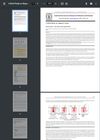 April 2024 in “International Journal of Research Publication and Reviews”
 Alopecia areata causes hair loss with varied treatment responses and frequent relapses.
 March 2024 in “International journal of pharmaceutical sciences and drug research”
 Androgenetic alopecia is influenced by various factors and can be treated with medications, procedures, and non-drug methods.
 February 2024 in “Plant Cell Reports”
 AtVPS29 is essential for proper plant growth by regulating gibberellin signaling.
 January 2024 in “Archives of pharmacy practice”
 The skin is vital for protection, temperature control, fluid balance, immunity, and sensing, with damage affecting daily life and mental health.

Elastin-like recombinamers show promise for better wound healing and skin regeneration.
 January 2024 in “Asthma Allergy Immunology”
 Innate lymphoid cells help us understand and manage allergic diseases better.
 December 2023 in “Journal of Multiple Sclerosis and Neuroimmunology”
 Teriflunomide can cause hair thinning.
 December 2023 in “Frontiers in plant physiology”
 Root hairs are key for developing cereals that can fertilize themselves with nitrogen.
 November 2023 in “Linköping University medical dissertations”
 Keratinocytes and adipose-derived stem cells can effectively heal difficult skin wounds.