 122 citations
,
July 1990 in “Teratology”
122 citations
,
July 1990 in “Teratology” Finasteride exposure in pregnancy causes genital abnormalities in male rats.
 67 citations
,
February 1997 in “Teratology”
67 citations
,
February 1997 in “Teratology” Finasteride, when given in high oral doses to pregnant monkeys, caused genital abnormalities in male fetuses, but not in female fetuses or those exposed to intravenous finasteride.
 6 citations
,
March 2009 in “Annals of Saudi Medicine”
6 citations
,
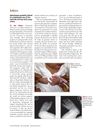
March 2009 in “Annals of Saudi Medicine” Finasteride use during early pregnancy may cause limb deformities in babies.
51 citations
,
August 2012 in “Differentiation” Mouse genital development depends on male or female hormones for specific features.
 February 2013 in “Journal of The American Academy of Dermatology”
 Oral propranolol successfully treated a baby's skin growth and ulceration linked to PELVIS syndrome.
 45 citations
,
April 2018 in “Nature Reviews Urology”
45 citations
,
April 2018 in “Nature Reviews Urology” Male genital development is driven by androgen signaling and understanding it could help address congenital anomalies.
 15 citations
,
March 1997 in “International Journal of Dermatology”
15 citations
,
March 1997 in “International Journal of Dermatology” Finasteride shows promise for treating hair loss and excessive hair growth, but more research is needed to confirm its effectiveness and safety.
 86 citations
,
March 1993 in “Toxicology and Applied Pharmacology”
86 citations
,
March 1993 in “Toxicology and Applied Pharmacology” Finasteride affects male rat genitalia development, causing abnormalities during specific pregnancy days.
 34 citations
,
October 2011 in “Pathology Research International”
34 citations
,
October 2011 in “Pathology Research International” Behçet's Disease may be caused by genetic and environmental factors leading to abnormal immune responses, and stress management and new treatments could improve patient outcomes.
 November 2014 in “Elsevier eBooks”
 Gene mutations can cause problems in male genital development.
 2 citations
,
August 2020 in “JCRPE”
2 citations
,
August 2020 in “JCRPE” A girl with Denys-Drash syndrome was misdiagnosed due to biotin affecting her hormone test results.
 1 citations
,
February 2022 in “Online journal of biological sciences”
1 citations
,
February 2022 in “Online journal of biological sciences” The document does not determine if adults with aphallia are fertile.
January 2018 in “Elsevier eBooks” 5α-reductase-2 deficiency causes ambiguous genitalia at birth and affects male sexual development, but individuals often develop male characteristics at puberty.
 126 citations
,
January 1987 in “Journal of The American Academy of Dermatology”
126 citations
,
January 1987 in “Journal of The American Academy of Dermatology” The document concludes that understanding hair structure is key to diagnosing hair abnormalities and recommends gentle hair care for management.
 245 citations
,
January 1998 in “Genes & Development”
245 citations
,
January 1998 in “Genes & Development” Hoxc13 gene is essential for hair, nail, and papilla development.
 7 citations
,
January 1996 in “In Practice”
7 citations
,
January 1996 in “In Practice” The document concludes that a thorough examination and various tests are crucial for diagnosing and treating ear inflammation in pets.
 49 citations
,
March 2018 in “Toxicological sciences”
49 citations
,
March 2018 in “Toxicological sciences” Low doses of mixed chemicals cause permanent reproductive malformations in male rats.
 April 2024 in “International Journal of Advanced Multidisciplinary Research and Studies”
 Early investigation and a team approach are crucial for managing primary amenorrhea effectively.
 November 2019 in “Harper's Textbook of Pediatric Dermatology”
 Understanding normal hair growth and loss in children is key to diagnosing and treating hair disorders.
 31 citations
,
January 2014 in “Journal of endocrinological investigation”
31 citations
,
January 2014 in “Journal of endocrinological investigation” Woodhouse-Sakati syndrome often causes sexual development issues, hair loss, learning disabilities, deafness, muscle contractions, limb pain, and diabetes.
 31 citations
,
November 2000 in “Journal of the European Academy of Dermatology and Venereology”
31 citations
,
November 2000 in “Journal of the European Academy of Dermatology and Venereology” Skin problems can be linked to sexual abuse, requiring careful medical and psychological evaluation.
 2 citations
,
June 2003 in “International Journal of Acarology”
2 citations
,
June 2003 in “International Journal of Acarology” Researchers found a new mite species causing severe hair loss and skin problems in yellow-bellied marmots.
 1 citations
,
January 2020 in “Recent Research in Genetics and Genomics/Recent Research in Genetics and Genomics ”
1 citations
,
January 2020 in “Recent Research in Genetics and Genomics/Recent Research in Genetics and Genomics ” High doses of Lepidium sativum seed extract are toxic and should be used with caution.
 1 citations
,
December 2010 in “Elsevier eBooks”
1 citations
,
December 2010 in “Elsevier eBooks” Cell transplantation faces challenges in genitourinary reconstruction, but alternative tissue sources and microencapsulation show promise.
Finasteride causes reproductive malformations in male rats.
 May 2002 in “British Journal of Dermatology”
 A pregnant woman's skin condition improved after giving birth, possibly due to high estrogen levels during pregnancy.
 29 citations
,
December 2012 in “Current Opinion in Endocrinology, Diabetes and Obesity”
29 citations
,
December 2012 in “Current Opinion in Endocrinology, Diabetes and Obesity” With careful management, people with congenital adrenal hyperplasia can have successful pregnancies and become parents.
 January 2003 in “Springer eBooks”
 Children with diabetes often have skin problems, which can be better managed with good blood sugar control.
21 citations
,
December 2015 in “Development Growth & Differentiation” DHT is crucial for urethral formation, and its disruption can affect masculinization and lead to hypospadias.
5 citations
,
January 2024 in “Reproductive Medicine and Biology” Androgen and Wnt signals are crucial for developing and functioning male genitalia and erectile tissues.