Search
for
Sort by
Research
720-750 / 1000+ results
research Preparation of highly-concentrated autologous platelet-rich plasma for biomedical use
A simple method was developed to prepare concentrated platelet-rich plasma for use in healing and tissue repair.
research The Biological Role of Platelet Derivatives in Regenerative Aesthetics
Platelet-derived products help regenerate tissue and are used in various skin and hair treatments.
research Effective and economical cell therapy for hair regeneration
'DPC therapy' could be an effective and affordable option for hair regrowth.
research Photobiomodulation mitigates DHT-induced apoptosis in dermal papilla cells via mitochondrial rescue and Wnt/TGF-β/BMP signaling modulation
Photobiomodulation helps protect hair follicle cells from damage caused by DHT.

research 603 Pathological modeling of epidermolysis bullosa simplex (EBS) using induced pluripotent stem cells (iPSC)
Scientists used stem cells to create a model of the skin disease Epidermolysis Bullosa simplex, which helped them understand its molecular mechanisms and could aid in finding treatments.

research Platelet-Rich Plasma: Evolving Role in Plastic Surgery
Platelet-rich plasma is used for facial and hair treatments, showing benefits despite varying methods and limited research.
research Factors Affecting the Response and Patient Satisfaction of Topical Immunotherapy in Alopecia Areata: A Nationwide Study
DPCP immunotherapy is effective for alopecia areata, and understanding influencing factors can improve treatment and satisfaction.
research Critical Role of ATP-P2X7 Axis in UV-Induced Melanogenesis
ATP increases melanin production in skin after UV exposure, with the P2X7 receptor being crucial for this process.
research 14 Dermatological drugs, topical agents, and cosmetics
Dermatological treatments can have significant side effects, including allergic reactions, sexual dysfunction, and increased cancer risk.

research Platelet-rich plasma
Platelet-rich plasma may help heal injuries.
research The Use of the Plasma Jet and Laser Photobiomodulation in the Treatment of Alopecia areata: Case Study
The combined laser and plasma jet therapy effectively regrew hair in a woman with alopecia areata.
research Complications and Limitations of Melanocyte Transplantation
Melanocyte transplantation can safely restore skin color, especially in stable vitiligo, but must be chosen carefully based on the disease phase.
research Methotrexate in pediatric dermatology: an old acquaintance, new certainties
Methotrexate is effective, safe, and affordable for treating skin conditions in children.
research Development and validation of PICAT - PRP injectable competency assessment tool for androgenic alopecia for dermatology residents
PICAT is a reliable tool for assessing dermatology residents' skills in PRP procedures for hair loss.
research P99: A split‐scalp study to compare the effects of platelet‐rich plasma prepared and activated by two different methods in androgenetic alopecia
research Pluripotent Stem Cell Technology: A Promising Remedy for Hypopigmentation Disorders
Pluripotent stem cells show promise for treating skin color loss disorders like vitiligo.
research 0041 Comparative multi-omics highlights inflammatory monocyte-derived dendritic cells as key mediators of UVB-induced photosensitivity
Monocyte-derived dendritic cells play a key role in UVB-induced skin sensitivity and inflammation.
research Advances in Aesthetic Therapies: Plasma-Rich Protein Procedure for the Treatment of Alopecia
Platelet-rich plasma (PRP) is an effective treatment for hair loss that involves scalp injections and requires ongoing maintenance.

research Scalp Pustule as a Manifestation of Erlotinib-Induced Skin Toxicity: Report of Two Cases and Literature Review
Erlotinib can cause scalp pustules and hair loss, needing early treatment with antibiotics and steroids.
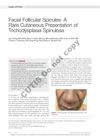
research Facial Follicular Spicules: A Rare Cutaneous Presentation of Trichodysplasia Spinulosa
Trichodysplasia spinulosa can occur after a heart transplant due to immunosuppressive drugs.
research Animal Study of Skin Resurfacing Using the Ultrapulse Carbon Dioxide Laser
The ultrapulse carbon dioxide laser can effectively resurface skin without scarring.

research Therapeutic Potential of Patient iPSC-Derived iMelanocytes in Autologous Transplantation
Patient-derived melanocytes can potentially treat vitiligo by restoring skin pigmentation.

research ROS-Degradable Polythioketal Urethane Foam Dressings to Promote Porcine Skin Wound Repair
A special foam called EG7 PTK-UR helps heal skin wounds better than other similar materials, working as well as a top-rated product and better than a polyester foam.
research COMPARISON OF PLATELET RICH THERAPY ALONE WITH PLATELET RICH THERAPY ALONG WITH DAILY TOPICAL 5% PROCAPIL APPLICATION FOR THE TREATMENT OF ANDROGENETIC ALOPECIA: A QUASI-EXPERIMENTAL CLINICAL TRIAL
Combining PRP with Procapil is more effective for hair loss treatment than PRP alone.
research Alopecia Areata: An Overview
DPCP works best for alopecia areata, but more research is needed for better treatments.

research Progress in the Use of Platelet-rich Plasma in Aesthetic and Medical Dermatology.
Platelet-rich plasma (PRP) is effective in treating various skin conditions and improving hair density, thickness, and patient satisfaction, with lower relapse rates for Alopecia Areata.
research 1927 nm Thulium Laser Successfully Treats PostInflammatory Hyperpigmentation in Skin of Color
The 1927 nm Thulium laser effectively and safely treats postinflammatory hyperpigmentation in darker skin tones.
research Pseudopelade of Brocq: a clinico-therapeutic challenge!
Pseudopelade of Brocq is hard to diagnose and treat, with limited effective options.

research Controversies
New treatments like PRP, PRF, SVF, exosomes, and LLLT show promise for hair growth.