9 citations
,
March 2008 in “British Journal of Dermatology” Efalizumab can cause unexpected excessive hair growth.
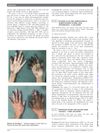
Psychosis can be an early sign of neuropsychiatric lupus, treatable with tailored medication.
54 citations
,
November 1986 in “Journal of the American Academy of Dermatology” Generalized trichoepitheliomas with hair loss may indicate myasthenia gravis.
July 2025 in “Clinical Case Reports” A new genetic mutation in the TRPS1 gene causes Trichorhinophalangeal Syndrome, leading to specific hair, dental, and bone issues.
3 citations
,
February 2019 in “Der Urologe” Medications for benign prostatic syndrome can cause cognitive issues and depression.

There is no cure for myotonic dystrophy type 1, so treatment focuses on managing symptoms and complications.
7 citations
,
January 2017 in “Neuromuscular Disorders” A rare autoimmune condition, Satoyoshi syndrome, can start in adults and improve with immunosuppressive treatment.
December 2025 in “Pediatric Dermatology” Trametinib can cause skin issues, but they can often be managed without stopping the drug.
June 2026 in “The Journal of Steroid Biochemistry and Molecular Biology” 2 citations
,
June 2013 in “Journal of Dermatological Case Reports” Olmsted syndrome is a rare skin disorder causing thickened skin and other symptoms.
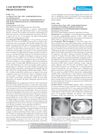 May 2025 in “The Journal of Rheumatology”
 Catatonia can be a rare sign of lupus, needing careful diagnosis and treatment.
16 citations
,
October 1994 in “PubMed” Sodium valproate is a safe and effective epilepsy drug with manageable side effects.
 October 2024 in “Journal of the Endocrine Society”
 Ayme-Gripp Syndrome was confirmed in a woman through genetic testing, highlighting the need to consider rare genetic conditions in diagnoses.
16 citations
,
May 2020 in “Psychoneuroendocrinology” People with Parkinson's disease have higher levels of cortisone in their hair, which may indicate chronic stress hormone dysfunction.
45 citations
,
January 2007 in “Journal of Clinical Oncology” Sorafenib may cause hand-foot and stump syndrome, requiring early detection and management.
3 citations
,
February 2019 in “Molecular genetics and metabolism” The combination of tadalafil and finasteride improves urinary symptoms and erectile function in men with enlarged prostates.
41 citations
,
July 2018 in “Frontiers in Neurology” Myotonic dystrophy may be classified as a segmental progeroid disorder.
April 2020 in “Journal of the Endocrine Society” Somatostatin analogues effectively manage ectopic ACTH syndrome when surgery isn't possible.
 2 citations
,
July 2016 in “Pharmacopsychiatry”
2 citations
,
July 2016 in “Pharmacopsychiatry” A person with Turner Syndrome showed severe schizophrenia that didn't respond to treatment and had brain shrinkage.
 19 citations
,
February 2007 in “International Clinical Psychopharmacology”
19 citations
,
February 2007 in “International Clinical Psychopharmacology” Quetiapine may cause hair loss, a side effect not widely recognized before.
2 citations
,
January 2012 in “Australian and New Zealand journal of psychiatry” Haloperidol decanoate can cause alopecia areata.
 September 2025 in “Journal of Psychiatry Spectrum”
 Mirtazapine can cause male breast enlargement.
 9 citations
,
March 1989 in “The BMJ”
9 citations
,
March 1989 in “The BMJ” Adding diltiazem to a beta blocker can cause dangerously slow heart rates.
1 citations
,
September 2017 in “BMJ” The man has a disease causing skin patches, thickened nerves, and mild muscle weakness.
September 2019 in “The journal of investigative dermatology/Journal of investigative dermatology” PPARγ signaling modulation can protect hair follicle stem cells from chemotherapy-induced damage.
99 citations
,
August 1998 in “Pain” Blocking GABA(A) receptors increases neuron sensitivity, showing GABA and glycine have different roles in pain.
16 citations
,
October 2017 in “Journal of steroid biochemistry and molecular biology/The Journal of steroid biochemistry and molecular biology” Dutasteride may protect the brain in early Parkinson's disease.
January 2015 in “Annals of dermatology/Annals of Dermatology” Using travoprost for glaucoma may cause extra hair growth and darker skin around the eyes, but these effects can reverse after stopping the drug.
October 2025 in “Reactions Weekly”  October 2010 in “Epilepsy Currents”
 Ketogenic diet, neurosteroids, and HMGB1-TLR4 signaling pathway are potential targets for new epilepsy treatments.