July 2023 in “International Journal of Trichology” The man's hair turned white suddenly but returned to normal on its own in 6 months.
 72 citations
,
July 2014 in “American journal of clinical dermatology”
72 citations
,
July 2014 in “American journal of clinical dermatology” Some treatments, like corticosteroids and sensitizing agents, can help with alopecia areata, but more high-quality research is needed.
1 citations
,
November 2025 in “Journal of Dermatological Treatment” Baricitinib is effective and safe for treating severe alopecia areata.
 June 2026 in “Frontiers in Immunology”
 Upadacitinib effectively treated severe atopic dermatitis, vitiligo, and alopecia areata in one patient.
71 citations
,
December 2013 in “The journal of investigative dermatology. Symposium proceedings/The Journal of investigative dermatology symposium proceedings” There are no FDA-approved treatments for Alopecia Areata, and current options have varying success and relapse rates.
 44 citations
,
February 2015 in “Journal of the American Academy of Dermatology”
44 citations
,
February 2015 in “Journal of the American Academy of Dermatology” Combining diphenylcyclopropenone with anthralin is more effective for hair regrowth in alopecia areata than using diphenylcyclopropenone alone, but may cause more side effects.
 24 citations
,
January 2018 in “International Journal of Trichology”
24 citations
,
January 2018 in “International Journal of Trichology” Tofacitinib helped regrow hair in patients with alopecia, with few side effects.
23 citations
,
October 2024 in “British Journal of Dermatology” Ritlecitinib effectively treats alopecia areata and is safe for long-term use in people 12 and older.
 7 citations
,
April 1987 in “International Journal of Dermatology”
7 citations
,
April 1987 in “International Journal of Dermatology” Stopping imipramine reduced the woman's hair loss.
4 citations
,
March 2025 in “The Journal of Dermatology” Ritlecitinib is effective and safe for hair regrowth in Asian patients with alopecia areata.
2 citations
,
February 2025 in “Archives of Dermatological Research” Baricitinib is a safe and effective alternative for alopecia areata patients who do not respond to tofacitinib.
February 2026 in “International Journal of Dermatology” Ritlecitinib shows promise in improving hair regrowth in adolescents with alopecia areata.
October 2025 in “Journal of Clinical Medicine” Patients with certain baseline characteristics are more likely to benefit early from baricitinib for alopecia areata.
August 2025 in “Australasian Journal of Dermatology” Experts created guidelines for who in Australia can get subsidized JAK inhibitor therapy for alopecia areata.
April 2025 in “Journal of Cosmetic Dermatology” Azathioprine is a safe and effective long-term treatment for severe alopecia areata, significantly improving hair regrowth.
 January 2025 in “Journal of Cutaneous Immunology and Allergy”
 Baricitinib is effective for treating severe alopecia areata in Japanese patients, but long-term safety needs more study.
November 2024 in “SKIN The Journal of Cutaneous Medicine” Patients with anxiety or depression report more severe alopecia areata.
 September 2024 in “Journal of the American Academy of Dermatology”
 Baricitinib maintains significant hair regrowth in severe alopecia areata over three years.
 70 citations
,
April 2016 in “Experimental Dermatology”
70 citations
,
April 2016 in “Experimental Dermatology” A patient with alopecia areata regrew hair after taking tofacitinib and showed changes in certain blood and skin markers.
 32 citations
,
March 2021 in “Journal of cosmetic dermatology (Print)”
32 citations
,
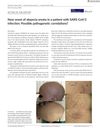
March 2021 in “Journal of cosmetic dermatology (Print)” COVID-19 infection may trigger alopecia areata in some patients.
 24 citations
,
June 2016 in “Acta dermato-venereologica”
24 citations
,
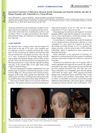
June 2016 in “Acta dermato-venereologica” Tofacitinib helped a young woman's severe hair loss and arthritis but not her plaque psoriasis.
 14 citations
,
January 2014 in “Journal of Cutaneous and Aesthetic Surgery”
14 citations
,
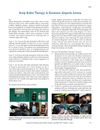
January 2014 in “Journal of Cutaneous and Aesthetic Surgery” Scalp Roller therapy helped improve hair growth in patients with hard-to-treat alopecia areata.
 10 citations
,
August 2011 in “Clinics”
10 citations
,
August 2011 in “Clinics” The author clarified that Alopecia Areata Incognita (AAI) and diffuse Alopecia Areata (AA) are different conditions and the case discussed was actually AA, not AAI.
2 citations
,
September 2019 Alopecia areata treatments should be personalized, using options like steroids, JAK inhibitors, and other therapies based on individual needs.
 May 2026 in “Journal of Dermatological Treatment”
 Patients with alopecia areata prefer treatments that regrow scalp hair quickly over how often they need to take the medication.
 January 2024 in “Case Reports in Dermatological Medicine”
 Baricitinib may effectively treat nail changes in alopecia areata.
March 2020 in “QJM: An International Journal of Medicine” Standard intralesional corticosteroids are the best treatment for patchy alopecia areata.
 1 citations
,
July 2018 in “Elsevier eBooks”
1 citations
,
July 2018 in “Elsevier eBooks” Alopecia Areata is an autoimmune hair loss condition, with various treatments showing mixed effectiveness and no guaranteed cure.
 9 citations
,
April 1987 in “International Journal of Dermatology”
9 citations
,
April 1987 in “International Journal of Dermatology” Stopping the depression medication improved the woman's eyebrow hair loss, and a treatment for a skin condition caused by mites was effective.
 December 2017 in “Journal of the American Academy of Dermatology”
 The patient accepted her hair loss and adapted by wearing a wig and tattooing her eyebrows.