 November 2025 in “Turkish Journal of Dermatology”
 Both baricitinib and tofacitinib effectively reduce alopecia areata severity, with tofacitinib showing more improvement over longer use.
 November 2025 in “Clinical Cosmetic and Investigational Dermatology”
 Tofacitinib is effective and safe for treating severe alopecia areata.

Some side effects of breast cancer chemotherapy last longer than others, and patient feedback can help improve care.
 October 2025 in “Dermatology and Therapy”
 Ritlecitinib is being tested for effectiveness and safety in treating severe alopecia areata.
Baricitinib effectively regrows hair in severe alopecia areata cases.
 September 2025 in “Dermatology and Therapy”
 Baricitinib is a promising treatment for alopecia areata in the UAE, but there are challenges with data and access.
 July 2025 in “International Journal of Dermatology Venereology and Leprosy Sciences”
 Higher stress levels may worsen alopecia areata, suggesting stress management is important for treatment.
 April 2025 in “PharmacoEconomics - Open”
 Patients with Alopecia Areata are willing to trade life duration for better quality of life.
 March 2025 in “SKIN The Journal of Cutaneous Medicine”
 Certain patient characteristics can help predict hair regrowth success with ritlecitinib in alopecia areata.
Frontal fibrosing alopecia can be managed with personalized combination therapies, but no cure exists yet.
 January 2025 in “Bright Sky Publications eBooks”
 Aesthetic medicine is rapidly advancing with new technologies for safer, personalized, and less invasive treatments.
 December 2024 in “Cureus”
 Baricitinib treatment for alopecia universalis can cause hair regrowth with unexpected whitening.
 August 2024 in “JAMA Dermatology”
 Continuous baricitinib is needed to keep hair regrowth in severe alopecia areata.
 April 2024 in “Medical & clinical research”
 More research is needed to find the best long-term treatments for Alopecia Areata.
 April 2024 in “Frontiers in medicine”
 Alopecia Areata significantly lowers quality of life and current treatments are inadequate, highlighting a need for better therapies and standardized treatment protocols.
Hair product allergies are common, especially to hair dyes, and hairdressers are at higher risk.
 April 2024 in “Academic dermatology”
 Dermatologists should carefully manage hair loss in cancer patients to improve their quality of life.
 March 2024 in “Dermatology and therapy”
 AA patients with comorbid conditions face more severe hair loss and need specific treatments.
 March 2024 in “Research Square (Research Square)”
 Scalp cooling therapy helps preserve hair during chemotherapy for most patients.
 February 2024 in “International neuropsychiatric disease journal”
 Alopecia areata severely impacts quality of life, mental health, and work productivity.
 December 2023 in “Dermatology and therapy”
 Japanese patients and physicians often disagree on the severity of Alopecia Areata and treatment satisfaction, needing better communication and treatments.
 November 2023 in “Research Portal Denmark”
 Baricitinib shows promise for severe alopecia areata but isn't a cure and has side effects.
 November 2023 in “International Journal of Advanced Research in Science, Communication and Technology”
 The herbal hair oil was more effective at reducing hair fall than coconut oil.
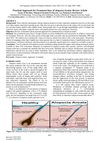 July 2023 in “The Egyptian Journal of Hospital Medicine ”
 The conclusion is that emotional support and a variety of treatments are important for alopecia areata, but more research is needed.
 June 2023 in “Dermatology and therapy”
 The Middle East and Africa need better data, treatment consensus, and support for Alopecia Areata.

There are many treatments for common hair loss, but more trials are needed to decide which are best.
 February 2023 in “Journal of Korean Medical Association”
 Targeted cancer therapies can cause new side effects, requiring careful monitoring and management to ensure patient safety.
 February 2023 in “International Journal of Medical Arts”
 Trichloroacetic acid is a safe and effective treatment for hair loss in alopecia areata patients.
 January 2023 in “International Journal of Pharmaceutical Research and Development”
 Nanotechnology therapies can help improve quality of life for those with hair loss.
 November 2022 in “Research Square (Research Square)”
 Using facial sunscreen and moisturizer may increase the risk of frontal fibrosing alopecia.