 March 2026 in “Frontiers in Pharmacology”
 Exprecell™ is as effective as traditional methods but produces more f-PRF and is simpler to use.
 February 2026 in “Ciencia Latina Revista Científica Multidisciplinar”
 Early recognition of skin issues in immunocompromised patients is crucial for better outcomes.

Elderly skin care needs personalized treatment, early intervention, and integrated psychiatric care.
 November 2025 in “Open Repository of the University of Porto (University of Porto)”
 Continuous use of finasteride and minoxidil is effective for treating androgenetic alopecia.
 September 2025 in “Editora Pasteur eBooks”
 Continuous learning and personalized treatments are crucial in dermatology due to rapid technological advancements.
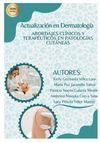
New methods improve skin disease diagnosis and treatment.

Mesotherapy is a promising alternative to minoxidil for hair loss with mild side effects.
 February 2024 in “Asian journal of medical sciences”
 Proper hygiene, adequate sleep, and self-care can reduce common skin diseases.
 November 2023 in “Klìtinna ta organna transplantologìâ”
 MSC-derived exosomes can help treat COVID-19, hair loss, skin aging, and arthritis.
 August 2023 in “Repository of the University of Primorsk (University of Primorska)”
 A Western diet may increase acne risk, while a Mediterranean diet and certain supplements can help reduce it.
 August 2023 in “Asian journal of pharmaceutical and clinical research”
 Intense Pulsed Light is an effective and safe hair removal method for people with excessive hair growth.

Ruxolitinib cream shows promise for vitiligo, and early melanoma diagnosis is crucial.
 October 2021 in “Revista Medicina Cutánea Ibero-Latino-Americana”
 PRIDE syndrome helps identify skin side effects from EGFR inhibitors like erlotinib.

Men's skincare products with essential oils can improve skin health and may increase male interest in cosmetics.

The document is a detailed guide on skin conditions and treatments for dermatologists.

Diet and supplements can significantly affect acne, with some foods and nutrients reducing and others worsening it.
 March 2018 in “Dermatología Argentina”
 The study found that the average age of women diagnosed with Frontal Fibrosing Alopecia in Argentina is higher than in other countries, but their symptoms are similar.

Botulinum toxin type A significantly reduces scalp psoriasis severity compared to placebo.
 December 2015 in “Revista Chilena de Dermatología”
 El Síndrome de Ovario Poliquístico causa problemas de piel como acné y es importante reconocerlo temprano para tratarlo.
 November 2014 in “ACTUALIDAD MEDICA”
 Ultrasonography can help diagnose and monitor hair loss conditions.

Use the least toxic, most specific treatments for skin diseases, considering side effects and individual patient needs.
 January 2010 in “Elsevier eBooks”
 The document concludes that different types of hair loss have specific treatments, and early diagnosis is crucial for preventing permanent hair loss.
 July 2002 in “Australasian Journal of Dermatology”
 Maintaining anticoagulation is crucial for patients with antiphospholipid syndrome.
 July 2002 in “Australasian Journal of Dermatology”
 A woman with lupus had hair loss and skin issues that were successfully treated with medications.
 January 1997 in “Journal of The American Academy of Dermatology”
 The book "Eye and Skin Disease" is recommended for its detailed coverage of the connection between eye and skin conditions.
 July 1994 in “Annals of Pharmacotherapy”
 Cromolyn sodium's effectiveness for treating asthma in children under 2 is unclear, possibly more beneficial for older children, and further research is needed.
 January 1993 in “Side effects of drugs annual”
 Natural products like propolis are causing more skin allergies, and certain skin treatments and medications have various side effects and risks.
 September 1983 in “Journal of The American Academy of Dermatology”
 Experts discussed hair care, genetic hair defects, hair loss treatments, nail surgery, lupus treatments, skin infections, and cosmetic allergies.
 May 2004 in “Pediatric Dermatology”
 Atopic dermatitis may have genetic causes and can be treated with pharmacologic methods, glycerin creams, and controlling Staphylococcus aureus colonization.
 29 citations
,
February 2016 in “International Journal of Dermatology”
29 citations
,
February 2016 in “International Journal of Dermatology” People with lichen planus are more likely to have dyslipidemia, especially higher triglyceride levels.