 2 citations
,
August 2025 in “Scientific Reports”
2 citations
,
August 2025 in “Scientific Reports” Pexidartinib often causes liver issues and fatigue, especially in women.
 50 citations
,
June 1999 in “Annals of Oncology”
50 citations
,
June 1999 in “Annals of Oncology” Giving docetaxel weekly at 40 mg/m² is manageable and has low toxicity for cancer patients.
 30 citations
,
August 2010 in “American Journal of Clinical Dermatology”
30 citations
,
August 2010 in “American Journal of Clinical Dermatology” Cetuximab can cause eyelash growth, which is rare but manageable.
26 citations
,
October 2019 in “JNCI Cancer Spectrum” Talazoparib is more effective than standard chemotherapy for advanced breast cancer with BRCA mutations.
January 1975 in “NJEA Review” The drug showed promise in treating renal cell carcinoma with manageable side effects.
September 2025 in “Journal of the American Academy of Dermatology” Deuruxolitinib improves anxiety and depression in severe alopecia areata patients.
 108 citations
,
December 2003 in “Clinical breast cancer”
108 citations
,
December 2003 in “Clinical breast cancer” PLD is an effective and safer alternative for treating breast cancer.
4 citations
,
January 2011 in “International Journal of Clinical Medicine” Patients with metastatic breast cancer treated with epirubicin and docetaxel had a good response and maintained their quality of life.
July 2025 in “Ultrasound in Medicine & Biology” UTMD with diclofenac and Doxil® improves cancer treatment by boosting immune response and reducing tumor-supporting cells.
12 citations
,
September 2015 in “Drug Design Development and Therapy” AD198 is more effective than doxorubicin in stopping certain dog cancer cells.
March 2021 in “Arrow - TU Dublin (Technological University Dublin)” The folate-cyclodextrin conjugate targets cancer cells more precisely, potentially reducing chemotherapy side effects.
 January 2025 in “Recent Patents on Anti-Cancer Drug Discovery”
 The treatment showed high response rates and was well-tolerated, potentially extending patient survival.
July 2024 in “Reactions Weekly”  21 citations
,
February 2013 in “Clinics in Dermatology”
21 citations
,
February 2013 in “Clinics in Dermatology” New treatments for advanced skin cancer are improving patient outcomes, but drug resistance and finding the right treatment combinations are still big challenges.
 35 citations
,
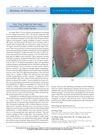
May 2008 in “Journal of Clinical Oncology”
35 citations
,
May 2008 in “Journal of Clinical Oncology” A cancer patient died from a severe skin reaction after taking the drug cetuximab.
 1 citations
,
January 2023 in “Przegląd Dermatologiczny”
1 citations
,
January 2023 in “Przegląd Dermatologiczny” A man's severe skin reaction from cancer treatment improved with early diagnosis and proper medication.
 12 citations
,
February 2010 in “Journal of The American Academy of Dermatology”
12 citations
,
February 2010 in “Journal of The American Academy of Dermatology” A cancer drug caused unusual hair growth on a 100-year-old man's scalp and eyelashes.

Individualized treatments may help manage Dercum's disease symptoms.
 April 2016 in “Journal of Investigative Dermatology”
 Mefloquine, an antimalarial drug, is effective in killing melanoma cells resistant to other treatments by causing lethal stress in the cells.
9 citations
,
October 2025 in “MedComm” PROTACs offer new ways to treat hard-to-target diseases, with promising drugs for cancer in advanced trials.
 15 citations
,
July 2023 in “EClinicalMedicine”
15 citations
,
July 2023 in “EClinicalMedicine” ADCs can effectively treat breast cancer but may cause side effects like nausea and hair loss.
1 citations
,
June 2018 in “Dermatologic Surgery”  168 citations
,
December 1986 in “Cancer Chemotherapy and Pharmacology”
168 citations
,
December 1986 in “Cancer Chemotherapy and Pharmacology” Epirubicin is as effective as doxorubicin for cancer treatment with less heart damage, but doesn't work on doxorubicin-resistant cancers.
October 2025 in “Figshare” Deuruxolitinib improves hair regrowth in alopecia areata but needs more safety research.
 29 citations
,
August 2007 in “Annals of Oncology”
29 citations
,
August 2007 in “Annals of Oncology” Docetaxel and oxaliplatin are effective and have manageable side effects for recurrent platinum-sensitive ovarian cancer.
 4 citations
,
October 2018 in “Asia-Pacific Journal of Clinical Oncology”
4 citations
,
October 2018 in “Asia-Pacific Journal of Clinical Oncology” CDK4/6 inhibitors have improved treatment outcomes for certain advanced breast cancer patients.
32 citations
,
May 2016 in “European journal of dermatology/EJD. European journal of dermatology” Targeted therapies for advanced skin cancer often cause hair and nail problems, which need managing to avoid changing the treatment dose.
 4 citations
,
September 2024 in “BMC Cancer”
4 citations
,
September 2024 in “BMC Cancer” Adding dutasteride to therapy may improve treatment for advanced salivary duct cancer.
May 2015 in “Cancer research” After chemotherapy for early breast cancer, 33.4% of patients had long-term significant hair loss, with some hair regrowth over time, but treatments for hair loss were largely ineffective.
13 citations
,
April 2024 in “JAAD Case Reports” Deucravacitinib may effectively treat discoid lupus erythematosus.