 15 citations
,
November 2020 in “Pharmaceutics”
15 citations
,
November 2020 in “Pharmaceutics” Tofacitinib nanoparticles can safely and effectively treat alopecia areata by targeting hair follicles.
November 2025 in “SKIN The Journal of Cutaneous Medicine” Ritlecitinib is generally safe for adolescents with alopecia areata over 5 years.
February 2026 in “Annals of Case Reports” Tofacitinib helped a patient regrow hair after 40 years of total hair loss.
 4 citations
,
March 2012 in “Annals of oncology”
4 citations
,
March 2012 in “Annals of oncology” New treatment with green tea polyphenols and nicotinamide improves skin problems from cancer therapy.
 76 citations
,
August 2007 in “Supportive care in cancer”
76 citations
,
August 2007 in “Supportive care in cancer” Chemotherapy often causes skin, nail, and hair side effects, significantly impacting quality of life.
 3 citations
,
April 2016 in “Journal of Investigative Dermatology”
3 citations
,
April 2016 in “Journal of Investigative Dermatology” Tofacitinib, a JAK inhibitor, improved hair regrowth in most patients with severe alopecia areata and had minimal side effects.
35 citations
,
April 1998 in “PubMed” Activated erbB-2 in mice skin causes severe skin and hair abnormalities.

A 72-year-old man was diagnosed with a rare skin form of Rosai-Dorfman disease after years of misdiagnosis.
 2 citations
,
March 2012 in “JAMA”
2 citations
,
March 2012 in “JAMA” Early surgery reduces seizure risk in drug-resistant epilepsy; testosterone to DHT conversion doesn't affect muscle anabolism; veterans with PTSD likely to have riskier opioid use; bevacizumab helps in hereditary bleeding disorder.
June 2024 in “The Journal of Dermatology” January 2012 in “Journal of Clinical Medicine in Practice” The treatment is safe and effective for elderly patients with advanced non-small-cell lung cancer.
1 citations
,
August 1984 in “Therapeutische Umschau. Revue thérapeutique” Permanent hair removal with lasers is the most promising treatment for excessive hair growth.
 3 citations
,
January 2008 in “Journal of the American Academy of Dermatology”
3 citations
,
January 2008 in “Journal of the American Academy of Dermatology” A patient's skin rash did not affect the area where a previous viral rash was healing, suggesting a rare immune response.
January 2026 in “Dermatologic Therapy” Ritlecitinib is effective and safe for treating severe alopecia areata, showing significant hair regrowth and improved mental health.
4 citations
,
December 2024 in “JAAD Case Reports” Nirogacestat can cause severe skin issues like hidradenitis suppurativa.
April 2016 in “The journal of investigative dermatology/Journal of investigative dermatology” Combining UVB irradiation and anti-CD154 antibody improves hair follicle transplant survival.
2 citations
,
May 2023 in “Journal of Immunotherapy” Sintilimab treatment caused hair loss but led to complete tumor remission.
 January 2026 in “Dermatology and Therapy”
 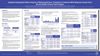 July 2025 in “SKIN The Journal of Cutaneous Medicine”
 Ritlecitinib is generally safe for alopecia areata patients over 72 months.
 138 citations
,
February 2007 in “European journal of cancer”
138 citations
,
February 2007 in “European journal of cancer” EGFR inhibitors often cause skin problems and other side effects, but these are usually reversible and can be managed to keep patients comfortable.
 January 2024 in “Wiadomości Lekarskie”
 New markers can detect tumors, aid drug delivery, and treat cancer effectively and safely.
 February 2026 in “Journal of Drugs in Dermatology”
 Dupilumab helped a 13-year-old regrow hair after alopecia totalis.
 63 citations
,
February 2013 in “Human cell”
63 citations
,
February 2013 in “Human cell” PEGL-DOX causes Hand-Foot Syndrome due to skin reactions from prolonged circulation and ROS generation.
 March 2025 in “OncoTargets and Therapy”
 A specific genetic trait in tumor cells is linked to longer survival without disease in certain lymphoma patients.
53 citations
,
November 2014 in “International Journal of Oncology” Wedelolactone may help prevent bone damage in breast cancer by blocking certain cell signals.
September 2022 in “Research Square (Research Square)” 5% topical minoxidil improves hair density and quality in monilethrix patients.
 August 2009 in “International Journal of Dermatology”
 A postmenopausal woman's facial redness, acne, and excess hair were caused by too much hormone therapy for insomnia, but improved after stopping the treatment.
 March 2022 in “International Journal of Trichology”
 Tofacitinib may be effective for treating hair loss caused by alopecia areata that doesn't respond to other treatments.
 13 citations
,
February 2007 in “British Journal of Dermatology”
13 citations
,
February 2007 in “British Journal of Dermatology” EF and PXE not closely related.
 October 2022 in “Portuguese journal of dermatology and venereology”
 Dupilumab led to complete hair regrowth and improved skin condition in a young man with severe eczema and hair loss.