 June 2026 in “International Journal of Dermatology Venereology and Leprosy Sciences”
 Alopecia areata patients may have higher blood pressure and blood sugar, indicating a future risk of metabolic issues.
A 16-year-old girl with gum overgrowth and excessive hair growth had successful gum surgery and healed well.
 November 2025 in “The Bioscan.”
 Pix Liquida may help treat alopecia areata.
 July 2025 in “Clinical Cosmetic and Investigational Dermatology”
 Immune cells and cytokines significantly affect pathological scar development.
 January 2025 in “Drug repurposing”
 New drug uses show promise but need more research.
 July 2024 in “Annals of Phytomedicine An International Journal”
 Herbal ingredients like aloe vera and hibiscus can help with hair problems like hair loss and dandruff.
 March 2024 in “Research Square (Research Square)”
 Combining genetic and physical trait analysis improves diagnosis accuracy for monogenic diabetes.
 February 2024 in “International journal of biology, pharmacy and allied sciences”
 Plant-based treatments can effectively and safely treat hair loss.
 December 2023 in “Communications biology”
 Targeting the HEDGEHOG-GLI1 pathway could help treat keloids.
Alopecia areata patients have higher levels of certain immune receptors, suggesting new treatment possibilities.
 September 2023 in “Curēus”
 Reproductive hormones play a crucial role in breast cancer development and treatment challenges.

The document concludes that the development of certain tumors is influenced by genetic background and that a specific gene modification can lead to tumor regression and reduced growth.
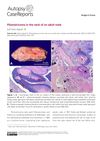 January 2022 in “Autopsy and Case Reports”
 A man had a non-cancerous neck tumor related to hair follicles removed with no return of the tumor.
 January 2022 in “Journal of Biomedical Research & Environmental Sciences”
 Certain gene variations may increase the risk of PCOS in South Indian women.
 January 2022 in “International journal of zoology and animal biology”
 Dogs with dermatomyositis, especially Collies and Shetland Sheepdogs, need better treatments for their skin and muscle inflammation.
 December 2021 in “International journal of minor fruits, medicinal and aromatic plants”
 The document concludes that in Sri Lanka, 25 common plants are traditionally used as home remedies for various health issues due to their medicinal properties.

The document is a detailed guide on skin conditions and treatments for dermatologists.
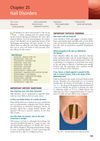 January 2018 in “Elsevier eBooks”
 Different nail disorders are treated by targeting their specific causes and using appropriate medications or protective measures.
 January 2018 in “Springer eBooks”
 Different races and genders have unique skin and hair issues, requiring specialized care and more research for effective treatment.
 January 2018 in “Advances in Dermatology and Allergology”
 Treatment with dapsone, topical corticosteroids, and antibiotics improved the man's skin conditions.
 September 2016 in “Journal of Dermatological Science”
 A gene mutation worsens skin irritation in mice due to a lack of certain fats.
 October 2015 in “Elsevier eBooks”
 Minoxidil is effective for hair growth and safe for long-term use.
Lupus is a complex disease that requires personalized treatment because it varies greatly between individuals.
 October 1961 in “Archives of Dermatology”
 Reassurance is important for postpartum hair shedding as it likely won't cause complete baldness.
Hair loss in African American women, caused by hair care, genetics, and environment, needs more research for better treatment.
 February 2018 in “Medical Hypotheses”
 Male pattern hair loss may have evolved to promote younger fathers for offspring health and survival, encouraging monogamy and paternal nurturing.
 July 2008 in “British Journal of Dermatology”
 Cyclosporin doesn't stop hair loss.

Permanent micropigmentation can help cancer survivors feel better about themselves by restoring eyebrows lost during chemotherapy.
 391 citations
,
January 2010 in “Journal of The American Academy of Dermatology”
391 citations
,
January 2010 in “Journal of The American Academy of Dermatology” Half of people with Alopecia Areata may see hair regrowth within a year without treatment, but recovery is unpredictable.
 295 citations
,
September 2006 in “Cell Cycle”
295 citations
,
September 2006 in “Cell Cycle” The conclusion is that using drugs to block the TOR pathway might slow aging and prevent age-related diseases.