Search
for
Sort by
Research
600-630 / 1000+ results
research P-12 ACTH-INDEPENDENT CUSHING SYNDROME WITH INCONCLUSIVE ADRENAL CT SCAN RESULTS
Ketoconazole improved symptoms of ACTH-independent Cushing syndrome despite inconclusive initial scans.
research Autoimmune polyendocrine syndrome type 1 a case report from Bangladesh
A rare endocrine disorder, APS 1, was diagnosed in a 26-year-old man in Bangladesh.
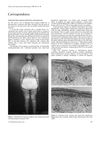
research Late presentation of myotonic dystrophy
Myotonic dystrophy should be considered in patients with hair thinning, and genetic counseling is important.
research Congenital Generalized Hypertrichosis Terminalis with Gingival Hyperplasia and a Coarse Face: a Case Report
A six-year-old boy with excessive hair growth and other symptoms may have a genetic link on chromosome 17q, requiring regular medical follow-ups.
research A New Clinical Variant of Hereditary Localized Alopecia: Report of a Chinese Family Mapped to Chromosome 2p25.1–2p23.2
A new type of hereditary hair loss in a Chinese family is linked to chromosome 2p25.1–2p23.2.
research ALX4-related frontonasal dysplasia sequence presenting with alopecia in a 12 year old girl
A 12-year-old girl's hair loss was linked to a rare genetic condition called ALX4-related frontonasal dysplasia.
research Resection of a pure androgen secreting adrenal adenoma in a postmenopausal woman: a case report
Removing an adrenal tumor can significantly reduce high androgen levels in postmenopausal women.
research 7452 A Diagnostically Challenging Case of Hyperandrogenism in Postmenopausal Woman
The case highlights the complexity of diagnosing high testosterone in older women and the need for thorough testing.
research MON-080 Cushing Disease Secondary To Rathke’s Cleft Cyst
Rathke’s cleft cysts can rarely cause Cushing disease, and surgery can improve symptoms.

research 8162 A Unique Presentation of Ovarian Steroid Cell Tumor Causing Hyperandrogenism in a Postmenopausal Woman
Surgical removal of a rare ovarian tumor improved symptoms and hormone levels in a postmenopausal woman.
research Case Report: Postmenopausal hyperandrogenism misled by adrenal incidentaloma: a rare case of androgen-secreting ovarian adult granulosa cell tumor and clinical implications
Thorough evaluation and surgery are crucial for managing rare ovarian tumors in postmenopausal women with high androgen levels.
research Case Report: A Deletion Variant in the DCAF17 Gene Underlying Woodhouse-Sakati Syndrome in a Chinese Consanguineous Family
A genetic mutation in the DCAF17 gene caused Woodhouse-Sakati syndrome in a Chinese patient from a related family.
research Premature isolated adrenarche in a six-year-old girl
A six-year-old girl has early signs of puberty, needs no treatment, but requires regular check-ups for future health risks.
research The gene for autosomal dominant hidrotic ectodermal dysplasia (Clouston syndrome) in a large Indian family maps to the 13q11-q12.1 pericentromeric region
The gene for Clouston syndrome in a large Indian family is located in the 13q11-q12.1 region.
research Expression of AKT1 along with AKT2 in granulosa-lutein cells of hyperandrogenic PCOS patients
The study found that women with hyperandrogenic PCOS have higher levels of AKT1 and AKT2 proteins in their cells, which may lead to cell dysfunction.
research Bilateral Leydig Cell Hyperplasia: A Rare Cause of Postmenopausal Hirsutism
An unusual growth of Leydig cells in a woman's ovaries caused her excessive hair growth, which was treated successfully with surgery.
research MON-323 Metastatic Adrenocortical Carcinoma Presenting with Mixed Cushing's and Virilization Syndrome along with Bilateral Pulmonary Emboli
Rapid virilization should be checked for possible ovarian or adrenal cancer.
research Challenges in diagnosis and treatment of Cushing disease in a 12-year-old boy
The boy's Cushing's Disease was treated successfully, but he developed growth hormone deficiency.
research Calcitriol-Resistant Rickets With Alopecia
Calcitriol-resistant rickets is an inherited disorder that affects hair growth and causes hair loss.
research Symptomatic hypercalcemia and scarring alopecia as presenting features of sarcoidosis
Sarcoidosis can cause severe high calcium levels, hair loss, and kidney failure.
research Molecular basis of hypohidrotic ectodermal dysplasia: an update
Mutations in specific genes disrupt development of sweat glands, teeth, hair, skin, and nails in HED.
research Mutation of the doublecortin gene in male patients with double cortex syndrome: Somatic mosaicism detected by hair root analysis
Hair root analysis can effectively detect somatic mosaicism in double cortex syndrome.
research Woodhouse-Sakati Syndrome Due to the Rare DCAF17 c.321+1G>A Mutation: The Second Case Report Worldwide
A rare genetic mutation causes Woodhouse-Sakati syndrome symptoms.
research Bridging Personal and Population in Excitability Diseases: Will Studies of Rare Diseases Bring Generalizable Mechanisms From Monogenic Channelopathies?
Studying rare genetic disorders can help us understand and treat common diseases better.
research Serum C-19 steroid sulphates in females with clinical hyperandrogenism
Women with hyperandrogenism have higher androgen levels and lower SHBG, which may contribute to conditions like excessive hair growth and early puberty.
research Hyperprogesteronismus infolge bilateraler Nebennierenrindenkarzinome bei einer Katze mit Diabetes mellitus
Adrenal tumors can cause high progesterone levels, mimicking symptoms of high cortisol.
research Calcitriol-resistant rickets with alopecia
Calcitriol-resistant rickets is an inherited disorder that affects hair growth and causes hair loss.

research Polycystic Ovary Syndrome and NC-CAH: Distinct Characteristics and Common Findings. A Systematic Review
Polycystic Ovary Syndrome (PCOS) is common in women with conditions like anovulation, hirsutism, hair loss, and type 2 diabetes, and it can lead to health risks like heart disease, obesity, insulin resistance, and depression. Non-Classic Congenital Adrenal Hyperplasia (NC-CAH) is also discussed.
research Premature Adrenarche
Early adrenal gland maturation in young children can be normal, but other serious conditions should be ruled out first.