 48 citations
,
March 1997 in “Veterinary Dermatology”
48 citations
,
March 1997 in “Veterinary Dermatology” Some cats with sudden hair loss and tiredness might have cancer-related alopecia.
 March 2026 in “Buletin Veteriner Udayana”
 The cat's hair loss and skin issues improved with less stress and more owner attention.
4 citations
,
December 2015 in “Redalyc (Universidad Autónoma del Estado de México)” A cat with sebaceous adenitis improved after treatment with shampoo, ciclosporin, and fatty acids.
3 citations
,
January 2021 in “Veterinary dermatology” A litter of cats had a hair condition similar to a mouse mutation, leading to hair loss and abnormal hair and skin.
 4 citations
,
May 2014 in “Javma-journal of The American Veterinary Medical Association”
4 citations
,
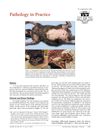
May 2014 in “Javma-journal of The American Veterinary Medical Association” The cat had liver cancer and a related hair loss condition, with a likely cause being bile duct cancer.
5 citations
,
April 2019 in “Veterinary Dermatology” Cats infested with Lynxacarus radovskyi can lose hair without inflammation, treatable with selamectin.
 22 citations
,
December 2003 in “Veterinary clinical pathology”
22 citations
,
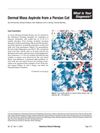
December 2003 in “Veterinary clinical pathology” The Persian cat has a skin infection caused by a fungus, treatable with antifungal medication.
May 2019 in “Small Animal Dermatology” Effective flea control can resolve hair loss in cats.
 June 2023 in “Indian Journal of Canine Practice”
 The cat fully recovered from skin issues after treatment with medication and shampoo.
January 2014 in “ACTA SCIENTIAE VETERINARIAE” The cat's skin condition was resistant to treatment and did not improve.
4 citations
,
January 2009 in “Veterinary Dermatology” Cats exposed to diesel oil can lose hair but recover fully without treatment.
 April 2008 in “Companion Animal”
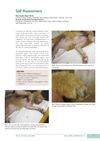
 The cat's skin condition was linked to cancer and did not improve with treatment, leading to a poor outcome.
 August 2024 in “Journal of Small Animal Practice”
 A cat lost hair on its back a month after a road accident, despite no initial skin injuries.
 September 2024 in “Journal of Parasite Science”
 Dermatophytosis in cats was most common in young, male Persian cats, with symptoms like hair loss and crusts.
April 2019 in “Journal of parasitic diseases” A Persian cat and its owner fully recovered from Cheyletiellosis after treatment.
 52 citations
,
January 1999 in “Journal of Small Animal Practice”
52 citations
,
January 1999 in “Journal of Small Animal Practice” Removing a cat's pancreatic cancer can temporarily reverse hair loss caused by the disease.
178 citations
,
June 1994 in “Journal of Investigative Dermatology” Alopecia areata in these mice is inherited, more common in young females, and can be treated with triamcinolone acetonide.
9 citations
,
March 1998 in “PubMed” Surgery successfully treated the ferret's adrenal issue, leading to hair regrowth and improved health.
 December 2018 in “DergiPark (Istanbul University)”
 The cat's skin condition improved with treatment, but underlying health issues must be addressed.
January 2011 in “Companion Animal” Dermatophytosis in cats is a contagious skin disease that requires treating the infected cat, other pets, and the environment.
 7 citations
,
January 2011 in “Veterinary Pathology”
7 citations
,
January 2011 in “Veterinary Pathology” A horse with severe hair loss was diagnosed with alopecia areata and a yeast infection.
 12 citations
,
March 2010 in “Revista iberoamericana de micología”
12 citations
,
March 2010 in “Revista iberoamericana de micología” The cat died from a hard-to-treat fungal infection despite various treatments.
 5 citations
,
June 2015 in “Veterinary dermatology”
5 citations
,
June 2015 in “Veterinary dermatology” A dog with complete hair loss regrew most hair after treatment, with no relapse after stopping treatment.
August 2025 in “Veterinary Dermatology” Canine alopecia areata is a chronic condition needing long-term management.
 June 2025 in “ARSHI Veterinary Letters”
 The cat's skin condition improved and hair regrew after antifungal treatment.
 August 2021 in “EMC - AKOS - Trattato di Medicina”
 Acquired alopecia is hair loss that can be reversible or irreversible, depending on whether the hair follicle is destroyed.
 April 2025 in “Journal of Applied Veterinary Science And Technology”
 The cat's health improved significantly after treatment.
 August 2017 in “Companion animal”
 Focal alopecia in dogs has many causes and requires various tests for accurate diagnosis and treatment.
14 citations
,
August 2004 in “Veterinary Dermatology” The horse had a rare type of hair loss caused by immune cells attacking hair follicles.
May 2022 in “Journal of Cutaneous Immunology and Allergy” Asymptomatic cats can spread scalp infections to humans.