 January 2012 in “The Year book of dermatology”
 Finasteride 5mg/day improves hair loss in normoandrogenic Asian women.
 January 2012 in “Yearbook of Dermatology and Dermatologic Surgery”
 No significant difference in iron deficiency between women with or without hair loss.
January 2011 in “Journal of Diagnosis and Therapy on Dermato-venereology” Genetics, low estrogen, and low iron levels contribute to female hair loss, with specific scalp signs indicating severity.
 October 2010 in “Mayo Clinic women's healthsource”
 Dr. Rochelle Torgerson says female-pattern hair loss is often hereditary, starts after puberty, and can be slowed with treatments like Minoxidil. It can also indicate other health issues.
 July 2010 in “British Journal of Dermatology”
 Hair loss in women may have multiple causes, and eyebrow regrowth possible with specific injections.
January 2010 in “Springer eBooks” November 2009 in “Dermatology Times” Low-level laser therapy is safe and effective for treating female hair loss.
November 2009 in “Hair transplant forum international” Early diagnosis and personalized treatment are crucial for managing Female Pattern Hair Loss in women.
 February 2009 in “Journal of The American Academy of Dermatology”
 Female hair loss can be diagnosed using specific trichoscopy criteria.
January 2009 in “Chinese Journal of Dermatovenereology of Integrated Traditional and Western Medicine” Yifa compound effectively treats female pattern hair loss and lowers DHT and DHEA levels.
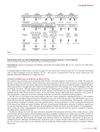 June 2007 in “Journal of Investigative Dermatology”
 Title change to "Central Centrifugal Cicatricial Alopecia (CCCA)"; common in African American women; hair-grooming methods may contribute; no effective therapy found; trials needed.
 June 2007 in “DOAJ (DOAJ: Directory of Open Access Journals)”
 Female pattern hair loss, common in women, can be treated with oral antiandrogens and topical minoxidil, but these are more effective at preventing further loss than regrowing hair. Other helpful methods include counseling, cosmetic camouflage, and hair transplantation. Treatment must continue for effects to last and it may take up to 2 years to see results.
 April 2006 in “Faculty Opinions – Post-Publication Peer Review of the Biomedical Literature”
 Oral finasteride, combined with drospirenone, improved hair loss in 62% of premenopausal women, with no reported side effects.
January 2005 in “NEJM Journal Watch” Antiandrogens like spironolactone can help treat female-pattern hair loss.
January 2004 in “Nederlands Tijdschrift voor Dermatologie & Venereologie” Female pattern hair loss causes thinning hair on top of the scalp, treatable with limited success.
January 2003 in “Journal of Dermatology and Venereology” Female pattern hair loss in women is caused by hormones and genetics, leading to hair thinning, with various treatments available.
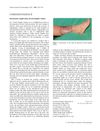 May 2002 in “British Journal of Dermatology”
 Hair loss caused by longer latent hair cycle and sudden miniaturization, not gradual follicle size reduction.
January 2015 in “Rawal Medical Journal” Telogen effluvium is the main cause of hair loss in women in Karak, followed by androgenetic alopecia.
November 2005 in “Hair transplant forum international” Genetic differences in hair loss can help improve diagnosis and treatment.
 July 2025 in “International Journal of Medicine Sciences”
 Holistic treatment improved hair growth, reduced hair loss, and boosted well-being.
 January 2024 in “Journal of Cosmetics Dermatological Sciences and Applications”
 Females with pattern hair loss have more occipital involvement than males.
 6 citations
,
November 2018 in “Dermatologic Therapy”
6 citations
,
November 2018 in “Dermatologic Therapy” Wearing a ponytail often is linked to hair loss at the front of the scalp in Chinese women.
 72 citations
,
January 2004 in “Dermatology”
72 citations
,
January 2004 in “Dermatology” Finasteride can slow hair loss and promote growth in postmenopausal women.
 January 2024 in “Skin appendage disorders”
 Oral finasteride seems more effective for hair loss in postmenopausal women, but more research is needed.
 19 citations
,
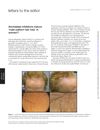
May 2013 in “Annals of Oncology”
19 citations
,
May 2013 in “Annals of Oncology” Aromatase inhibitors cause male pattern hair loss in women.
 6 citations
,
April 2017 in “Journal of Dermatological Science”
6 citations
,
April 2017 in “Journal of Dermatological Science” Ovariectomized mice mimic postmenopausal hair loss, and estradiol helps maintain hair density.
January 2017 in “日本皮膚科学会雑誌” May 2014 in “Dermatology Times”