Search
for
Sort by
Research
390-420 / 1000+ resultsresearch Cross‐Sectional Analysis of Subclinical Findings Using High‐Frequency Ultrasound in Frontal Fibrosing Alopecia
High-frequency ultrasound effectively evaluates and diagnoses frontal fibrosing alopecia.

research 695 Using MALDI-MSI analysis to study distribution of FOL-005, a potent, novel inhibitor of human hair growth, after subcutaneous injection in mice
FOL-005, a new substance, was found to reduce hair growth without toxicity when injected into skin, suggesting it could be used to treat excessive hair growth.
research Efficacy and Safety of Combination 308-nm Excimer Laser and Intralesional Corticosteroid versus Intralesional Corticosteroid Monotherapy in the Treatment of Frontal Fibrosing Alopecia: A Pilot Study
Combining laser and corticosteroid is not better than corticosteroid alone for treating frontal fibrosing alopecia.
research Avaliação in vitro e in vivo do potencial fotoquimiopreventivo do extrato de Lychnophora salicifolia Mart. e do ácido clorogênico livres e incorporados em lipossomas
Lychnophora salicifolia extract in liposomes may protect skin from UV damage and inflammation.
research Use of Topical Minoxidil, 17α-Estradiol and Hydrocortisone Butyrate in Frontal Fibrosing Alopecia
A lotion with minoxidil, hydrocortisone butyrate, and 17a-estradiol can improve or stabilize Frontal Fibrosing Alopecia in some cases, but there's no universally-accepted treatment yet.

research 382 Environmental pathobiology of frontal fibrosing alopecia (FFA): Does linalool promote FFA development and progression by inducing epithelial hair follicle stem cell damage and MICA expression in the bulge?
Linalool in personal care products may contribute to hair loss by damaging hair follicle stem cells and triggering harmful immune responses.
research Inhibition of 5α-Reductase, IL-6 Secretion, and Oxidation Process of Equisetum debile Roxb. ex Vaucher Extract as Functional Food and Nutraceuticals Ingredients
Equisetum debile extract may help with hair loss by inhibiting enzymes and reducing inflammation.
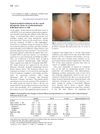
research Topical tacalcitol ointment can be a good therapeutic choice in erythromelanosis follicularis faciei et colli
Topical tacalcitol ointment can help improve symptoms of EFFC.
research Multifunctional nanomedicine targeting the 'seed-and-soil' of hair follicles via simultaneous alleviation of oxidative stress and activation of autophagy for androgenetic alopecia therapy
TFC-loaded microneedles effectively promote hair regrowth in androgenetic alopecia.
research Arachidonate 12-Lipoxygenase Inhibitors Promote S100A3 Citrullination in Cultured SW480 Cells and Isolated Hair Follicles
Inhibiting ALOX12 can help hair cuticle maturation by increasing S100A3 citrullination.

research Skin penetration of active folate salts and their effects on wound healing in vitro: new approaches for dermal folate application
Folate salts penetrate skin well and improve wound healing, suggesting potential for skin treatments.
research 5α-Reductase Inhibitory Components as Antiandrogens From Herbal Medicine
A plant extract was found to effectively block an enzyme related to male hormone-related diseases.
research Low fucosylation defines the glycocalyx of progenitor cells and melanocytes in the human limbal stem cell niche
Low fucosylation boosts stem cell growth in the eye.

research Development of Novel Indole-Based Bifunctional Aldose Reductase Inhibitors/Antioxidants as Promising Drugs for the Treatment of Diabetic Complications
New indole-based compounds, particularly cemtirestat, show promise as dual-function drugs for diabetic complications.

research 1406 Environmental pathobiology of frontal fibrosing alopecia (FFA): A link between linalool sensitization and FFA development
Being allergic to linalool, a common fragrance ingredient, might contribute to developing frontal fibrosing alopecia.
research Rapid Screening of Anticoagulation Compounds for Biological Target-Associated Adverse Effects Using a Deep-Learning Framework in the Management of Atrial Fibrillation
The framework helps predict adverse effects of blood thinners, improving drug selection for atrial fibrillation.
research Wedelolactone: A Natural Anti-inflammatory Coumarin Derivative
Wedelolactone may help treat chronic diseases due to its strong antioxidant properties.
research Topical Delivery of Tofacitinib in Dermatology: The Promise of a Novel Therapeutic Class Using Biodegradable Dendritic Polyglycerol Sulfates
A new carrier improves skin delivery of tofacitinib for treating inflammatory skin diseases.
research Retrospective analysis of the application of fumaric acid esters in 13 patients with alopecia areata
Fumaric acid esters might help treat alopecia areata, but more research is needed.
research Inhibition of Inflammatory Gene Expression in Keratinocytes Using a Composition Containing Carnitine, Thioctic Acid and Saw Palmetto Extract
The composition with carnitine, thioctic acid, and saw palmetto extract may effectively reduce inflammation in hair follicle cells.
research A young woman with frontal firbosing alopecia: a case report and review of therapeutic options
FFA in young women is often missed, and no single treatment works best.
research Frontal fibrosing alopecia: efficacy of treatment modalities
5-α-reductase inhibitors, intralesional steroids, and hydroxychloroquine are the most effective treatments for frontal fibrosing alopecia.

research 1380 Ganoderma lucidum extract attenuates Corticotropin-Releasing Factor (CRF)-induced cellular senescence in human hair follicular cells
Ganoderma lucidum extract can potentially reduce stress-induced hair loss by slowing down premature hair aging and removing harmful substances.
research Human Essential Fatty Acid Deficiency
Applying safflower oil to the skin reversed fatty acid deficiency symptoms in 21 days.
research Folate bioavailability in reconstructed skin models and effects of folate in a monolayer wound healing assay. Approaches on topic application
Topical folates can penetrate skin and enhance wound healing.
research A temperature-sensitive FERONIA mutant allele that alters root hair growth
A mutant FERONIA gene affects root hair growth at high temperatures.
research ESDR382 - Environmental pathobiology of frontal fibrosing alopecia (FFA): Does linalool promote FFA development and progression by inducing epithelial hair follicle stem cell damage and MICA expression in the bulge?
Linalool in personal care products may worsen frontal fibrosing alopecia by damaging hair follicle stem cells and triggering harmful immune responses.
research Feronia: A malectin-like domain-containing receptor kinase in Arabidopsis thaliana insights into polarized cell growth, pollen tube - Pistil interactions, and sugar signaling
FERONIA regulates plant growth, pollen interactions, and sugar signaling.