 April 2024 in “Clinical and experimental dermatology”
 Tofacitinib is effective for severe alopecia areata, similar to oral betamethasone.
13 citations
,
October 2001 in “British Journal of Ophthalmology” Prophylactic pilocarpine may not prevent angle closure in the other eye.
48 citations
,
February 1999 in “PubMed” Finasteride, a drug, can block the seizure-preventing effects of a hormone called progesterone in mice.
P-3074 effectively blocks scalp DHT better than oral finasteride.
 November 2024 in “Journal of Cosmetic Dermatology”
 Valproic acid microemulsions improve skin delivery compared to regular solutions.
 1 citations
,
December 2021 in “JAAD case reports”
1 citations
,
December 2021 in “JAAD case reports” A woman with severe hair loss saw significant hair regrowth after adding platelet-rich plasma injections to her treatment with tofacitinib.
12 citations
,
June 2025 in “Gut Microbes” BroadAMP-GPT effectively creates antimicrobial peptides to fight drug-resistant bacteria.
4 citations
,
July 2024 in “Pharmacology Research & Perspectives” Ritlecitinib is safe and may effectively treat alopecia areata.
September 2023 in “Journal of the American Academy of Dermatology” Recognizing IPPP is crucial to prevent misdiagnosis and unnecessary treatments.
 4 citations
,
October 2020 in “Toxicology Mechanisms and Methods”
4 citations
,
October 2020 in “Toxicology Mechanisms and Methods” Hesperidin protects rat testicles from finasteride damage and improves sperm health.
11 citations
,
February 2022 in “JAAD case reports” Abrocitinib, a JAK inhibitor, may help treat atopic dermatitis and alopecia universalis together.
 1 citations
,
May 2025 in “The Journal of Rheumatology”
1 citations
,
May 2025 in “The Journal of Rheumatology” Anifrolumab effectively improved lupus headaches in a patient unresponsive to other treatments.
 60 citations
,
December 2013 in “PLoS ONE”
60 citations
,
December 2013 in “PLoS ONE” EETs can delay seizures by affecting GABA activity, offering potential new treatments for seizures.
September 2023 in “Journal of the American Academy of Dermatology”  13 citations
,
September 2019 in “Scientific Reports”
13 citations
,
September 2019 in “Scientific Reports” High levels of the protein Flightless I worsen ulcerative colitis symptoms in mice.
October 1977 in “Munich Personal RePEc Archive (Ludwig Maximilian University of Munich)” Mefloquine was generally safe at 500 mg weekly, but higher doses caused nausea and diarrhea.
 7 citations
,
August 2005 in “British Journal of Dermatology”
7 citations
,
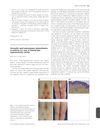
August 2005 in “British Journal of Dermatology” Etanercept improved symptoms of a specific type of psoriatic arthritis in a patient who didn't respond to other treatments.
 6 citations
,
February 2016 in “British Journal of Dermatology”
6 citations
,
February 2016 in “British Journal of Dermatology” A woman with a drug allergy to anakinra was successfully desensitized, allowing her to continue treatment without allergic reactions.
 13 citations
,
July 2019 in “Toxicology research”
13 citations
,
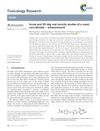
July 2019 in “Toxicology research” Ethanamizuril is safe for rats at 20 mg/kg feed, but higher doses cause hair loss, organ changes, and liver, kidney, and lung damage.
 May 2025 in “Zagazig Journal of Pharmaceutical Sciences/Zagazig Journal of Pharmaceutical Science”
 Finasteride may help treat Pseudomonas aeruginosa infections by reducing its harmful activities.
 November 2025 in “SKIN The Journal of Cutaneous Medicine”
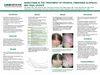
 Baricitinib shows promise in improving frontal fibrosing alopecia symptoms.
 84 citations
,
December 2018 in “Genetics in Medicine”
84 citations
,
December 2018 in “Genetics in Medicine” Pegvaliase is recommended for treating adults with phenylketonuria.
June 2014 in “Reactions Weekly” January 2014 in “Reactions Weekly”  14 citations
,
January 2011 in “Urologia Internationalis”
14 citations
,
January 2011 in “Urologia Internationalis” Finasteride may help prevent chronic bacterial prostatitis, with better results when combined with antibiotics.
October 2014 in “Archivio Istituzionale della Ricerca (Universita Degli Studi Di Milano)” A new type of nerve cell involved in itch perception was discovered.
February 2008 in “Reactions Weekly” January 2004 in “Reactions Weekly” January 2023 in “Reactions Weekly”