Search
for
Sort by
Research
480-510 / 1000+ results
research Free Androgen Index (FAI): Marker of Premature Androgenetic Alopecia in Men
The Free Androgen Index (FAI) is the best indicator of early hair loss in men before age 30.
research Injectable platelet rich fibrin therapy for androgenetic alopecia: a series of 15 cases
Injectable platelet-rich fibrin is a safe and effective treatment for hair loss.
research 865 Frontal fibrosing alopecia is associated with dysregulation of cholesterol biosynthesis pathways, fibrosis and mast cells
Frontal Fibrosing Alopecia involves disrupted cholesterol pathways, fibrosis, and increased mast cells.
research Hard Keratin IF and Associated Proteins
research Afamin serum concentrations are associated with insulin resistance and metabolic syndrome in polycystic ovary syndrome
High afamin levels are linked to metabolic syndrome and may predict its development in women with insulin resistance.
research Bacterial cellulose/soybean protein isolate composites with promoted inflammation inhibition, angiogenesis and hair follicle regeneration for wound healing
The mix of bacterial cellulose and soybean protein helps wounds heal faster, regrow hair, and reduces scarring and inflammation.
research Inositol and FSH: A new frontier for the androgenetic alopecia treatment in PCOS
research High-Dosed Intravenous Iron Replacement Therapy for Iron Deficiency Anemia Does Not Hinder Drug-Induced Amelioration of Disease Activity in IBD Patients
High-dose iron therapy improves anemia without affecting IBD treatment.

research IGFBP‐rP1 is a potential therapeutic target in androgenic alopecia
IGFBP-rP1 could be a new treatment for a common type of hair loss.
research 917 Frontal fibrosing alopecia scalp profiling links Th1/Th2 and JAK3 activation with fibrosis and loss of follicular stem cells
Targeting immune pathways like JAK/STAT may help treat frontal fibrosing alopecia.
research 1493 Dynamic changes in fibroblast subpopulations drives development of radiation-induced skin fibrosis through the fra/c-jun pathway
Radiation treatment causes skin fibrosis by increasing certain fibroblast subpopulations, but using a c-Jun inhibitor or fat grafting can reduce this effect.
research Floppy Iris Syndrome
Tamsulosin increases the risk of floppy iris syndrome during cataract surgery.
research Testosterone stimulates proliferation and inhibits interleukin‐6 production of normal and hereditary gingival fibromatosis fibroblasts
Testosterone increases cell growth and reduces IL-6 in gum cells.
research The Role of injectable platelet-rich fibrin(i-PRF) and Advanced platelet-rich fibrin(A-PRF) in Androgenetic Alopecia: A New Frontier in Hair Regeneration
i-PRF and A-PRF are promising treatments for hair regrowth in androgenetic alopecia.
research Plasma Rich in Growth Factors as an Adjuvant Treatment for the Management of Frontal Fibrosing Alopecia: A Retrospective Observational Clinical Study
Plasma Rich in Growth Factors may help reduce hair loss in Frontal Fibrosing Alopecia.
research FGF9 for baldness
Increasing the levels of a protein called FGF9 can promote hair growth, but humans may not respond the same way due to a lack of certain cells.
research Fibromodulin reduces scar formation in adult cutaneous wounds by eliciting a fetal-like phenotype
Fibromodulin treatment helps reduce scarring and improves wound healing by making it more like fetal healing.
research Frontalna fibrozirajuća alopecija
Early diagnosis and treatment of frontal fibrosing alopecia are crucial to prevent permanent hair loss.

research Synergism between Tocotrienol and i-PRF in HFSCs proliferation: an in-vitro study
Aloe Vera and injectable platelet-rich fibrin (i-PRF) together can speed up and improve hair growth when used in the right amounts.
research Hair Follicle Proteoglycans.
research Evaluation Asprosin Level in Polycystic Ovary Syndrome and Its Association with Fetuin a and Some Biochemical Parameter
Fetuin A levels are higher in PCOS patients, while asprosin levels show no difference.
research Effect on Growth Performance and Hair Color in Weanling Piglets by Iron Glycine Chelate with Different Purity
Adding 0.029% iron glycine chelate to piglet diets improves growth and hair color.
research Strength and Tenderness: Fibronectin Joins Hair Follicle Stem Cell Niche
Fibronectin is essential for hair follicle regeneration and may help rejuvenate aged skin.
research Nematic Fibrin Fibers Enabling Vascularized Thrombus Implants Facilitate Scarless Cutaneous Wound Healing
Using blood-based implants improves skin healing and reduces scarring.

research Troponin I Biomarker for Cardiac Affection in Patients with Androgentic Aloepcia
Troponin I may help detect heart problems in people with Androgenetic Alopecia.
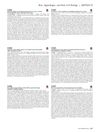
research 1322 Molecular profiling of frontal fibrosing alopecia (FFA) reveals TH1 and JAK-STAT up-regulation with no suppression of hair keratins
Frontal fibrosing alopecia shows increased inflammation and JAK-STAT pathway activity without reduced hair proteins.

research Predictivity of fatty liver index for non-alcoholic fatty liver disease in lean females with polycystic ovary syndrome
The Fatty Liver Index (FLI) may not be enough to rule out non-alcoholic fatty liver disease in lean women with polycystic ovary syndrome.
research Markers of hyperandrogenism in South Asians with polycystic ovary syndrome
The FG score is better at detecting hyperandrogenism in PCOS patients than testosterone levels or FAI, but testosterone is the recommended test for diagnosis.
research Frontal fibrosing alopecia in postmenopausal women
Some postmenopausal women with frontal fibrosing alopecia stopped losing hair with finasteride treatment, hinting at a possible hormonal cause.