 September 2009 in “Pediatric Dermatology”
 UVB is good for a skin condition in Asian kids, a lotion works for head lice, a drug helps with a skin blistering disorder, a foam reduces itchiness in skin inflammation, birthmarks can be more widespread, and criteria for a neurocutaneous disorder were agreed upon.
 2 citations
,
March 2023 in “JAAD case reports”
2 citations
,
March 2023 in “JAAD case reports” Hair repigmentation can indicate malignancy and should be investigated.
333 citations
,
March 2000 in “Proceedings of the National Academy of Sciences” Overexpressing GLI-1 in mice skin can cause tumors like human basal cell carcinomas.
June 2025 in “Histopathology” Epithelial elements in superficial angiomyxomas are non-neoplastic growths mimicking embryogenesis.
 2 citations
,
April 2017 in “Actas Dermo-Sifiliográficas”
2 citations
,
April 2017 in “Actas Dermo-Sifiliográficas” Best treatment for Frontal Fibrosing Alopecia is 5-alpha-reductase inhibitors and intralesional corticosteroids.
Combining anti-androgenic, anti-inflammatory, and anti-fibrotic treatments may improve hair loss outcomes, but more testing is needed.
August 2025 in “Cosmetics” Cosmeceuticals like sunscreens may trigger frontal fibrosing alopecia, but more research is needed.
 5 citations
,
January 2015 in “Skin appendage disorders”
5 citations
,
January 2015 in “Skin appendage disorders” Colored hair-thickening fibers can help hide hair loss in some people with Epidermolysis Bullosa but may cause scalp irritation.
 5 citations
,
July 2022 in “Orphanet journal of rare diseases”
5 citations
,
July 2022 in “Orphanet journal of rare diseases” RSPO1 mutations in certain patients lead to skin cells that don't develop properly and are more likely to become invasive, increasing the risk of skin cancer.
 3 citations
,
August 2010 in “Anais brasileiros de dermatologia/Anais Brasileiros de Dermatologia”
3 citations
,
August 2010 in “Anais brasileiros de dermatologia/Anais Brasileiros de Dermatologia” A rare genetic disease caused severe, worsening hair loss from early childhood with poor treatment results.
31 citations
,
March 1995 in “Journal of Investigative Dermatology” 1 citations
,
January 2024 in “Pharmaceuticals” A new carrier improves skin delivery of tofacitinib for treating inflammatory skin diseases.
1 citations
,
January 1997 in “European journal of plastic surgery” Tissue expansion can fix scalp issues from hair implants.
27 citations
,
December 2005 in “Journal of Cutaneous Pathology” The malignant pilomatricoma showed strong epithelial keratin expression, suggesting it may not calcify.
 152 citations
,
March 1988 in “Journal of The American Academy of Dermatology”
152 citations
,
March 1988 in “Journal of The American Academy of Dermatology” Superficial granulomatous pyoderma is a unique, mild form of skin disease that often heals without strong medication and responds well to milder treatments.
 7 citations
,
January 2017 in “International Journal of Trichology”
7 citations
,
January 2017 in “International Journal of Trichology” Hair transplant can cause hard-to-treat keloids in some patients.
 1 citations
,
May 2024 in “Dermatology and Therapy”
1 citations
,
May 2024 in “Dermatology and Therapy” Frontal Fibrosing Alopecia needs better diagnostics and treatments, with dutasteride showing promise.
 32 citations
,
September 2017 in “Journal of the American Academy of Dermatology”
32 citations
,
September 2017 in “Journal of the American Academy of Dermatology” Oral isotretinoin effectively treats yellow facial papules in frontal fibrosing alopecia patients.
 July 2022 in “JEADV Clinical Practice”
 The document concludes that different types of permanent hair loss conditions are related and early treatment is key to preventing further damage.
 15 citations
,
March 2021 in “Journal of clinical medicine”
15 citations
,
March 2021 in “Journal of clinical medicine” Biologic treatments for Crohn's disease and ulcerative colitis can cause skin problems, and doctors should adjust treatment if these occur.
2 citations
,
April 2012 in “American Journal of Dermatopathology” Accurate diagnosis of NLS with dilated hair follicles is crucial to distinguish it from other conditions.
8 citations
,
July 2016 in “Oncotarget” Lgr5+ stem cells do not cause skin tumors.
 November 2023 in “International surgery journal”
 A man's neck lump was a trichilemmal cyst, not cancer, and should be fully removed due to rare risk of becoming malignant.
 4 citations
,
February 1996 in “Postgraduate Medical Journal”
4 citations
,
February 1996 in “Postgraduate Medical Journal” Finasteride linked to skin inflammation.
1 citations
,
May 2007 in “Chinese Medical Journal” Complete removal of large scalp nevi is recommended to prevent complications.
July 2025 in “Journal of Investigative Dermatology” Tissue-engineered skin substitutes can model junctional epidermolysis bullosa and may help develop gene therapy.
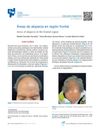 January 2025 in “Revista del Centro Dermatológico Pascua”
 Early diagnosis and treatment can help manage fibrosing alopecia in older women.
April 2017 in “Leukemia research” Tofacitinib helped most teenagers in the study regrow hair with mild side effects.

A 70-year-old man with skin cancer on both sides of his forehead was treated with surgery and cryotherapy, highlighting the need for early detection and prevention.
 45 citations
,
October 2009 in “Dermatology”
45 citations
,
October 2009 in “Dermatology” Half of the patients treated with a specific drug for skin cancer experienced hair loss not related to the drug's dosage.