54 citations
,
May 2021 in “International Journal of Molecular Sciences” Advances in mechanobiology and immunology could lead to scarless wound healing.
44 citations
,
April 2023 in “Genes & Diseases” Mesenchymal stem cells release substances that help tissue repair, and their effectiveness can be improved by understanding environmental influences.
42 citations
,
September 2012 in “PLoS ONE” Bezafibrate treatment improved skin and spleen health in aging mice but didn't extend lifespan.
37 citations
,
May 2021 in “Frontiers in Cell and Developmental Biology” Ng2+ perivascular cells in mouse skin come from specific fibroblast types and help in tissue repair.
24 citations
,
November 2023 in “International Journal of Molecular Sciences” PRP and ADSC therapies show promise in improving symptoms of genital lichen sclerosus with minimal side effects.
21 citations
,
March 2025 in “Journal of Extracellular Vesicles” Hydrogels can enhance stem cell activity, but more research is needed to optimize their use.
 20 citations
,
August 2022 in “Frontiers in Immunology”
20 citations
,
August 2022 in “Frontiers in Immunology” Fibroblasts are important in healing diabetic wounds, but high sugar levels can harm their function and slow down the healing process.
14 citations
,
July 2022 in “Applied Sciences” Extracellular vesicles can help repair and regenerate tissues with less risk of rejection.
10 citations
,
July 2025 in “Stem Cell Research & Therapy” Engineering strategies improve stem cells' ability to heal wounds effectively.
 2 citations
,
May 2023 in “Frontiers in Bioengineering and Biotechnology”
2 citations
,
May 2023 in “Frontiers in Bioengineering and Biotechnology” The document concludes that more research is needed on making and understanding biomaterial scaffolds for wound healing.
 2 citations
,
September 2022 in “Frontiers in Immunology”
2 citations
,
September 2022 in “Frontiers in Immunology” T-regulatory cells are important for skin health and can affect hair growth and reduce skin inflammation.
 2 citations
,
January 2022 in “Experimental Dermatology”
2 citations
,
January 2022 in “Experimental Dermatology” GDNF signaling helps in hair growth and skin healing after a wound.
1 citations
,
November 2025 in “Aging Cell” EDA2R is a key gene linked to ageing and diseases, and targeting it may help treat conditions like hair loss and chronic diseases.
1 citations
,
June 2024 in “Preprints.org” Dermal sheath cells play a key role in wound healing and could impact fibrosis.
 April 2026 in “Pharmaceutics”
 Cellulose-based skin dressings show promise for wound healing but need more research and clinical trials.
 March 2026 in “Preprints.org”
 The combined stem cell secretome in the skin care product effectively reduces inflammation and promotes tissue regeneration.
 March 2026 in “International Journal of Molecular Sciences”
 A temporary capillary cell type helps skin repair after radiation by promoting blood vessel growth.
 February 2026 in “MDPI (MDPI AG)”
 Exosome-based treatments may improve skin and hair issues, but more research is needed for safety and effectiveness.
January 2026 in “Burns & Trauma” RNA modifications help heal wounds and could lead to new treatments.
October 2025 in “Burns & Trauma” Engineered probiotics can help heal wounds faster, especially in diabetic foot ulcers.
Stem cell treatments show promise for improving skin and hair, but need more research and standardization.
April 2025 in “Frontiers in Bioengineering and Biotechnology” Gel-SHP helps skin heal faster.
January 2025 in “Cosmetics” Exosomes could improve skin care, but more research is needed to confirm their safety and effectiveness.
 December 2024 in “International Journal of Molecular Sciences”
 Human umbilical cord stem cell vesicles may help treat aging and related diseases.
 April 2024 in “Journal of translational medicine”
 Melanocytes are important for normal body functions and have potential uses in regenerative medicine and disease treatment.
December 2023 in “Acta dermato-venereologica” Metformin might help treat certain skin conditions, but more research is needed.
 October 2023 in “Biomaterials”
 Nanotechnology could improve hair regrowth but faces challenges like complexity and safety concerns.

Peptide hydrogels show promise for healing skin, bone, and nerves but need improvement in stability and compatibility.
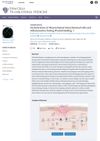 July 2023 in “Stem Cells Translational Medicine”
 Mesenchymal Stem/Stromal Cells (MSCs) help in wound healing and tissue regeneration, but can also contribute to tumor growth. They show promise in treating chronic wounds and certain burns, but their full healing mechanisms and potential challenges need further exploration.
 April 2023 in “Dentistry”
 Baby teeth stem cells can potentially grow organs and treat diseases.