Search
for
Sort by
Research
840-870 / 1000+ results
research 41247 Baseline distribution of eyebrow and eyelash loss by severity of scalp hair loss in phase 3 trials of baricitinib for alopecia areata
The document's conclusion cannot be provided because the content is not available.
research Efficacy and tolerability of finasteride 1 mg in men aged 41 to 60 years with male pattern hair loss.
Finasteride 1 mg significantly improves hair growth in men aged 41 to 60 with male pattern hair loss.

research Efficacy of Finasteride Treatment Versus Low-Level Laser in Frontal Male and Female Pattern Hair Loss
Finasteride and low-level laser therapy are similarly effective for frontal pattern hair loss.
research A RANDOMIZED, PROSPECTIVE, SINGLE-BLIND CLINICAL TRIAL: COMPARATIVE STUDY OF COMPARING THE EFFICACY AND SAFETY OF DIFFERENT MINOXIDIL FORMULATIONS IN TREATING ANDROGENIC ALOPECIA
Both 5% minoxidil foam and liquid effectively treat hair loss, with foam slightly preferred.
research Comparative Study Between Ablative Fractional Carbon Dioxide Laser Combined with Topical Steroid Versus Topical Steroid in Treatment of Alopecia Areata
Combining laser treatment with steroid cream is more effective for alopecia areata than using the cream alone.
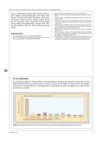
research Fe de errores
The document corrects a mistake by stating that pimecrolimus, not tacrolimus, is the drug that concentrates in the skin.

research Biotransformation of Finasteride by Ocimum sanctum L., and tyrosinase inhibitory activity of transformed metabolites: Experimental and computational insights
Fermentation of Finasteride with Ocimum sanctum L. creates new metabolite that inhibits tyrosinase.
research Cyproterone acetate-loaded nanostructured lipid carriers: effect of particle size on skin penetration and follicular targeting
Smaller particles of the drug carrier penetrated skin better, with 300 nm size being best for targeting hair follicles.

research Intraoperative floppy iris syndrome
Certain eye surgery complications can be managed effectively, especially in patients who have used specific prostate medications.

research Comparative efficacy of topical finasteride (0.25%) in combination with minoxidil (5%) against 5% minoxidil or 0.25% finasteride alone in male androgenetic alopecia: A pilot, randomized open-label study
Using both minoxidil and finasteride together is more effective for male hair loss than using either one alone.

research Spironolactone for treatment of female pattern hair loss
Spironolactone effectively treats female pattern hair loss with few side effects.

research Structural Study of Polymorphs and Solvates of Finasteride
Different forms of hair loss drug can improve effectiveness.
research Efficacy and safety of topical GT20029 in male patients with androgenetic alopecia: a multicenter, randomized, double-blind, placebo-controlled phase 2 study
Topical GT20029 effectively promotes hair regrowth and is well-tolerated.

research Bioequivalence Study of Finasteride
Finasteride's two formulations absorb similarly, showing bioequivalence.

research Finasteride is of uncertain utility in treating frontal fibrosing alopecia
Finasteride's effectiveness for frontal fibrosing alopecia is uncertain.

research Combination of tacalcitol ointment and photodynamic therapy for the treatment of follicular mucinosis of the scalp
Using tacalcitol ointment with photodynamic therapy may effectively treat follicular mucinosis with scalp hair loss.
research Factors predisposing to intraoperative floppy-iris syndrome: An up-to-date meta-analysis
Certain medications and conditions increase the risk of intraoperative floppy-iris syndrome.

research Clinical Case Notes. Malignant melanoma in eviscerated eyeball
Finasteride, often used for hair loss, can potentially cause cataracts.
research Development and characterization of polymeric nanoparticle-based formulation of adapalene for topical acne therapy
The new adapalene formulation using TyroSpheres is more effective and less irritating for acne treatment.
research Determination of finasteride in human plasma by LC-MS and its pharmacokinetics
The method accurately measures finasteride in plasma, and the test tablets are as effective as the reference ones.
research Adjuvant eflornithine to maintain IPL ‐induced hair reduction in women with facial hirsutism: a randomized controlled trial
Topical eflornithine helps maintain hair reduction after IPL therapy in women with facial hirsutism.

research Treatment of Alopecia Areata With Steroid Solution
The steroid solution can regrow hair but often causes skin issues and doesn't work long-term.

research Characterization of Soluplus/ASC-DP Nanoparticles Encapsulated with Minoxidil for Skin Targeting
The nanoparticles improved minoxidil's skin absorption, making them promising for skin treatments.

research Alopecia areata in the United States: Outpatient utilization and common prescribing patterns
Two cosmetic lotions used day and night may be a good alternative to minoxidil for hair loss treatment with better cosmetic effects and tolerance.

research Stem Cells in the Hair Follicle and Interfollicular Epidermis of Mice following Topical Application of Fluocinolone Acetonide
Fluocinolone acetonide slows down hair follicle stem cells but speeds up skin cell growth in mice.

research Sensitive bromatometric assay methods for finasteride in pharmaceuticals
Three cost-effective methods accurately measure finasteride in pharmaceuticals, better than current techniques.
research Lichen planopilaris: retrospective study on the characteristics and treatment of 291 patients
Women are more likely to have Lichen planopilaris, and treatments with cyclosporine and methotrexate are most effective but less safe than mycophenolate mofetil.

research Dual-drug nanostructured lipid carriers of spironolactone and 2-deoxy-D-ribose for targeted follicular delivery in androgenetic alopecia
Nanocarriers with spironolactone and 2-deoxy-D-ribose may improve hair loss treatment by targeting hair follicles directly.

research Green formulation of spironolactone loaded chitosan coated nano lipid carrier for treatment of acne vulgaris: a randomized double-blind clinical trial
Chitosan-coated spironolactone nano carriers effectively treat acne without side effects.