 January 2012 in “Elsevier eBooks”
 New treatments for skin and hair repair show promise, but further improvements are needed.

Most American men experience hair loss by age 50, with limited effective treatments available and new options not expected soon.
 January 2010 in “Elsevier eBooks”
 The document concludes that different types of hair loss have specific treatments, and early diagnosis is crucial for preventing permanent hair loss.
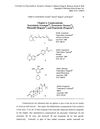
Isotretinoin and tazarotene help treat acne, while minoxidil and finasteride promote hair growth.
 September 2003 in “Clinics in Family Practice”
 Different hair diseases affect people during childbearing years, with treatments ranging from medication to psychological support.

Caffeine can potentially treat common hair loss by counteracting hair follicle shrinkage caused by hormones.
Treatments for hair loss vary, but cell-based options may be the future.
 9 citations
,
January 1999 in “Journal of Liquid Chromatography & Related Technologies”
9 citations
,
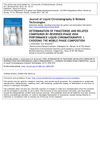
January 1999 in “Journal of Liquid Chromatography & Related Technologies” Best results found using acetonitrile, water, and trifluoroacetic acid or methanol mixture.
 13 citations
,
December 2017 in “BMC Complementary and Alternative Medicine”
13 citations
,
December 2017 in “BMC Complementary and Alternative Medicine” The Asian herbal mix with Houttuynia cordata, Perilla frutescens, and green tea helped grow hair in mice.
 May 2025 in “Frontiers in Pharmacology”
 New treatments are needed for non-scarring alopecia due to current limitations.
 July 2022 in “http://isrctn.com/”
 Adding a cosmetic gel with caffeine, taurine, and growth factors to standard hair loss treatments could improve results.
A new method can quickly and accurately detect illegal chemicals in hair loss products.
 42 citations
,
August 2013 in “International Journal of Women's Health”
42 citations
,
August 2013 in “International Journal of Women's Health” Female pattern hair loss is caused by multiple factors and while treatments like topical minoxidil, hormone therapy, and low-level light therapy can help, none can fully cure it.
17 citations
,
November 2021 in “Journal of Cosmetic Dermatology” Combination therapies for androgenetic alopecia work best but can have significant side effects and costs.
11 citations
,
March 2021 in “Cleveland Clinic Journal of Medicine” Treating hair loss in both men and women is effective and improves quality of life.
 5 citations
,
February 2022 in “Acta Biomaterialia”
5 citations
,
February 2022 in “Acta Biomaterialia” Nanomaterials can improve hair care products and treatments, including hair loss and alopecia, by enhancing stability and safety, and allowing controlled release of compounds, but their safety in cosmetics needs more understanding.
3 citations
,
March 2020 in “Our Dermatology Online” Microneedling can improve hair growth in people not responding to standard treatments.
 1 citations
,
October 2022 in “Adolescent Health, Medicine and Therapeutics”
1 citations
,
October 2022 in “Adolescent Health, Medicine and Therapeutics” Gender-affirming therapy can cause skin issues like acne and hair loss in transgender adolescents, and more research is needed on its dermatological effects.
 November 2023 in “Australasian journal of dermatology”
 Dermatologists are essential in helping transgender and gender diverse patients with skin and hair issues related to gender affirmation and hormone therapy.
 June 2025 in “Naunyn-Schmiedeberg s Archives of Pharmacology”
 Herbal remedies may help with hair loss but need more research.
 March 2025 in “Cosmetics”
 Combining treatments works best for early hair loss, while transplants are best for severe cases.
 July 2023 in “Journal of Cosmetic Dermatology”
 Ethosomes could improve how well skin treatments work, but more research is needed on their safety and stability.
 September 2022 in “Polish Hyperbaric Research”
 Some treatments for hair loss, like finasteride, biotin, and minoxidil, can be effective, but their success varies by individual case.
January 2018 in “대한본초학회지(본초분과학회지)” The herbal extract SHJ promotes hair growth and increases melanin production.
 January 2017 in “Journal of Investigative Dermatology Symposium Proceedings”
 The 2015 Hair Research Congress concluded that stem cells, maraviroc, and simvastatin could potentially treat Alopecia Areata, topical minoxidil, finasteride, and steroids could treat Frontal Fibrosing Alopecia, and PTGDR2 antagonists could also treat alopecia. They also found that low-level light therapy could help with hair loss, a robotic device could assist in hair extraction, and nutrition could aid hair growth. They suggested that Alopecia Areata is an inflammatory disorder, not a single disease, indicating a need for personalized treatments.
January 2023 in “International Journal of Trichology” The hemp extract significantly increased hair regrowth in both men and women without any side effects.
May 2023 in “Clinical, Cosmetic and Investigational Dermatology” More personalized and effective treatments for androgenetic alopecia are needed.
February 2026 in “Journal of Cosmetic Dermatology” Microneedling, especially with drugs, effectively treats hair loss.
 19 citations
,
May 2021 in “Clinical, Cosmetic and Investigational Dermatology”
19 citations
,
May 2021 in “Clinical, Cosmetic and Investigational Dermatology” Minoxidil and finasteride are the best for non-scarring hair loss; more research is needed for scarring hair loss treatments.
15 citations
,
January 2012 in “International journal of trichology” The HairCheck® device is effective for measuring hair loss and growth in people with alopecia.