4 citations
,
January 2022 in “Dermatology Research and Practice” Methotrexate alone is as effective and safe as combining it with prednisolone for treating Lichen planopilaris.
7 citations
,
June 2018 in “Archives of Rheumatology” A woman with lupus developed rare skin growths that went away on their own.
 2 citations
,
August 2020 in “Journal of Cosmetic Dermatology”
2 citations
,
August 2020 in “Journal of Cosmetic Dermatology” Higher granulysin levels in the blood are linked to more severe hair loss in alopecia areata patients, and these levels decrease after effective treatment.
 September 2024 in “Journal of Cosmetic Dermatology”
 Combining CGF and microneedling with betamethasone effectively treats resistant alopecia areata.
 157 citations
,
December 2015 in “Journal of the American Academy of Dermatology”
157 citations
,
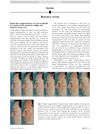
December 2015 in “Journal of the American Academy of Dermatology” A man with vitiligo and alopecia saw quick skin and hair improvement with ruxolitinib, but skin color gains were lost after stopping treatment.
 13 citations
,
March 2011 in “British Journal of Dermatology”
13 citations
,
March 2011 in “British Journal of Dermatology” A woman with scalp lymphoma and hair loss improved with radiotherapy, highlighting the need for biopsies in similar cases.
 22 citations
,
March 1963 in “Archives of dermatology”
22 citations
,
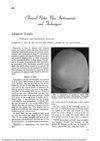
March 1963 in “Archives of dermatology” A woman regrew her hair significantly using a corticosteroid cream with a plastic cover.
Baricitinib is more effective than methotrexate for severe alopecia areata.
6 citations
,
November 2020 in “Chinese Medical Journal” Combining minoxidil and fibroblast growth factor is more effective for treating male hair loss than using either alone.
2 citations
,
September 2024 in “Journal of Dermatological Treatment” Combining compound glycyrrhizin with minoxidil is more effective for alopecia areata than minoxidil alone.
 March 2024 in “International Journal of Dermatology”
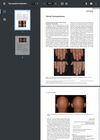
 Baricitinib improved nail condition and hair regrowth in a patient with alopecia and nail abnormalities.
 18 citations
,
November 2012 in “Australasian Journal of Dermatology”
18 citations
,
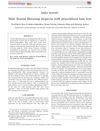
November 2012 in “Australasian Journal of Dermatology” A 66-year-old man with a rare case of male frontal fibrosing alopecia did not regrow hair despite treatment.
14 citations
,
November 2016 in “Lupus” Lenalidomide effectively and safely treats skin symptoms in pediatric lupus, reducing the need for prednisone.
 January 2025 in “Dermatologic Therapy”
 Low-dose oral minoxidil may help with symptoms and hair regrowth in lichen planopilaris without serious side effects.
36 citations
,
March 2014 in “Annals of the Rheumatic Diseases” Activating liver X receptors can reduce fibrosis by stopping certain immune cells from releasing harmful proteins.
 13 citations
,
July 2011 in “Journal of Dermatological Treatment”
13 citations
,
July 2011 in “Journal of Dermatological Treatment” Clobetasol and pimecrolimus are similarly effective for alopecia areata, but pimecrolimus has fewer side effects and is preferred for long-term use.
 October 2020 in “International Journal of Research in Dermatology”
 The review suggests more research is needed to understand Frontal fibrosing alopecia, a condition causing hairline recession in postmenopausal women.
2 citations
,
January 2025 in “Journal of Oncology Pharmacy Practice” Pembrolizumab can cause unusual eyelash growth, but it may still be worth continuing if cancer treatment is effective.
97 citations
,
January 2006 in “Dermatology” imTA and pulse therapy are effective for alopecia areata with manageable side effects, but relapse rates need improvement.
May 2026 in “SKIN The Journal of Cutaneous Medicine” Bimekizumab can improve scarring alopecia in severe psoriasis.
 1 citations
,
August 2021 in “Journal of The American Academy of Dermatology”
1 citations
,
August 2021 in “Journal of The American Academy of Dermatology” Baricitinib was effective in treating both early and late onset alopecia areata.
 May 2015 in “Journal of The American Academy of Dermatology”
 Both azathioprine and betamethasone treatments help with hair regrowth in alopecia areata, but azathioprine may have fewer side effects.
 October 2024 in “American Journal of Case Reports”
 Baricitinib improved hair loss and arthritis in a lupus patient.
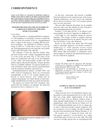 14 citations
,
January 2005 in “Pediatric Dermatology”
14 citations
,
January 2005 in “Pediatric Dermatology” UVA1-light therapy successfully treated a child's skin condition, mycosis fungoides.
 1 citations
,
December 2022 in “The Nishinihon Journal of Dermatology”
1 citations
,
December 2022 in “The Nishinihon Journal of Dermatology” Baricitinib is an effective treatment for severe alopecia areata.
February 2018 in “The American Journal of Gastroenterology” High-dose iron therapy improves anemia without affecting IBD treatment.
 May 2023 in “Elsevier eBooks”
 Some treatments that modify the immune system might help with certain types of hair loss but haven't been explored for common hair loss alone.
 December 2025 in “Scientific Reports”
 Cedrol may help reduce liver fat and fat cell growth caused by corticosteroids.
39 citations
,
January 2008 in “World Journal of Gastroenterology” Pegylated interferon-alpha 2a can cause a rare nerve disorder, but early treatment can lead to full recovery.
2 citations
,
January 2012 in “PubMed” Mycophenolate mofetil is effective for treating severe lupus nephritis in children.