3 citations
,
February 2024 in “International journal of molecular sciences” Hesperidin from orange peels is a promising natural ingredient for skincare due to its multiple beneficial properties.
 February 2026 in “International Journal of Molecular Sciences”
 Brazilian pepper tree leaf extract effectively protects skin cells from UVC damage and is a strong natural skincare option.
 April 2026 in “Cosmetics”
 Astragalus plants may improve skin health and have anti-aging benefits.
October 2025 in “Bioactive Materials” Combining traditional Chinese medicine with microneedles shows promise for effectively treating skin diseases with fewer side effects.
 December 2024 in “Revista Brasileira de Plantas Medicinais”
 Phenolic compounds may help treat hair loss, but more research is needed.
 3 citations
,
June 2021 in “Iraqi Journal of Pharmaceutical Sciences ( P-ISSN 1683 - 3597 E-ISSN 2521 - 3512)”
3 citations
,
June 2021 in “Iraqi Journal of Pharmaceutical Sciences ( P-ISSN 1683 - 3597 E-ISSN 2521 - 3512)” Natural products like flavonoids and phenolics may help treat or prevent COVID-19.
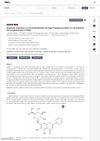
Enzymatic synthesis improved the water solubility of the flavonoid baicalin, which may help treat hair loss conditions.
45 citations
,
November 2024 in “International Journal of Molecular Sciences” Functional foods and nutrients like flavonoids, vitamin D, omega-3s, and probiotics can boost brain health and reduce stress.
 April 2026 in “International Journal of Nanomedicine”
 Quercetin delivery systems are improving its effectiveness for medical use.
![Asl Us Soos [Glycyrrhiza Glabra (Linn)]: An Evidence-Based Review on Its Phytopharmacological, Therapeutic Potential and Gastroduodenal Ulcer Activity](/images/assets/6967bbcb-3ed8-4b8e-a417-ed1c34019505/small/62125.jpg) January 2026 in “International Journal of Unani and Integrative Medicine”
January 2026 in “International Journal of Unani and Integrative Medicine” Licorice can effectively treat stomach ulcers and may work as well as or better than some standard drugs.
 5 citations
,
March 2024 in “Acta Scientiarum Polonorum Technologia Alimentaria”
5 citations
,
March 2024 in “Acta Scientiarum Polonorum Technologia Alimentaria” Underutilized seeds like jackfruit, Indian almond, and tamarind have valuable nutrients and compounds that can be used sustainably in various industries.
 10 citations
,
January 2023 in “Molecular and Cellular Biochemistry”
10 citations
,
January 2023 in “Molecular and Cellular Biochemistry” Solanum nigrum shows promise for treating COVID-19 and its complications, but more research is needed.
 6 citations
,
September 2022 in “Frontiers in pharmacology”
6 citations
,
September 2022 in “Frontiers in pharmacology” Epimedium extract helps increase skin pigmentation and could be a new treatment for conditions with reduced pigmentation.
 January 2026 in “Food and Feed Research”
 Bananas have many health benefits, including treating diarrhea, diabetes, and colds.
2 citations
,
October 2022 in “Electrochem” Plant-based sensors can help in healthcare but need skilled technicians.
December 2023 in “Plants” Fissistigma oldhamii has compounds that help with pain, inflammation, and other health issues.
1 citations
,
June 2025 in “Fermentation” Lactic acid bacteria fermentation boosts the health benefits of Radix Angelica gigas.
22 citations
,
December 2020 in “mSphere” A fungal enzyme was used to make compounds more soluble, aiding drug discovery and crop protection.
 September 2025 in “Journal of Science Innovations and Nature of Earth”
 Anthocyanins in berries and purple veggies offer health benefits but need better processing for full use.
 January 2022 in “Journal Of Biotechnology And Crop Science”
 Liquorice has medicinal benefits, including antioxidant, anti-inflammatory, antimicrobial, antiulcer, and antiviral effects.
 15 citations
,
January 2009 in “International Journal of Andrology”
15 citations
,
January 2009 in “International Journal of Andrology” Liquorice may reduce testosterone and affect male reproductive organs, potentially helping treat conditions like prostate cancer.
 4 citations
,
July 2025 in “International Journal of Nanomedicine”
4 citations
,
July 2025 in “International Journal of Nanomedicine” Nano-quercetin improves quercetin's effectiveness in treating diseases but faces challenges in safety and production.
 January 1993 in “Side effects of drugs annual”
 Natural products like propolis are causing more skin allergies, and certain skin treatments and medications have various side effects and risks.
 11 citations
,
January 2024 in “Indian Journal of Pharmaceutical Sciences”
11 citations
,
January 2024 in “Indian Journal of Pharmaceutical Sciences” Phytosomes improve the body's absorption of plant extracts for better health benefits.
 2 citations
,
July 2019 in “IOP conference series. Materials science and engineering”
2 citations
,
July 2019 in “IOP conference series. Materials science and engineering” The best extraction method for Gleditschia fera fruit yields high saponin content and strong antioxidant activity.
 April 2026 in “Inflammopharmacology”
 Punica granatum leaf extract may help treat skin fibrosis by reducing inflammation and oxidative stress.
 June 2024 in “Okayama University Scientific Achievement Repository (Okayama University)”
 Koji mold on unpolished Thai-colored rice boosts antioxidant activity more than on other rice types.
 January 2024 in “International Research Journal Of Modernization In Engineering Technology And Science”
 Licorice helps with acne, eczema, dandruff, hair growth, and skin health but may raise blood pressure.
 104 citations
,
January 2016 in “Food & Function”
104 citations
,
January 2016 in “Food & Function” Olive oil compounds may help prevent cancer in animals, but human results are mixed.
 6 citations
,
March 2022 in “Nusantara Bioscience”
6 citations
,
March 2022 in “Nusantara Bioscience” Moringa oleifera may help prevent blood clots.