August 2024 in “Postgraduate Medical Journal” A rare skin reaction from cancer treatment was successfully managed with topical treatments and antihistamines.
2 citations
,
January 2016 in “Journal of clinical & experimental dermatology research” Acrodermatitis Enteropathica is a rare skin condition treated effectively with zinc supplements, and early diagnosis is key.
12 citations
,
January 2016 in “Skin Appendage Disorders” Hydroxychloroquine is ineffective for treating frontal fibrosing alopecia with lupus erythematosus.

The rash worsened due to a fungal infection masked by corticosteroids.
March 2022 in “Journal of Investigative Dermatology” Discoid Lupus Erythematosus causes scalp plaques that can lead to hair loss, and antimalarial drugs are effective treatments.
 7 citations
,
January 1989 in “Leprosy Review”
7 citations
,
January 1989 in “Leprosy Review” A woman with leprosy improved after stopping dapsone and getting treatment for a severe skin reaction and nail changes.
 15 citations
,
March 2015 in “Australasian Journal of Dermatology”
15 citations
,
March 2015 in “Australasian Journal of Dermatology” Seborrhoeic dermatitis may cause a condition called "seborrhoeic folliculitis," leading to chronic scalp inflammation and scarring hair loss.
 1 citations
,
October 2008 in “Expert Review of Dermatology”
1 citations
,
October 2008 in “Expert Review of Dermatology” Frontal Fibrosing Alopecia is a slowly progressing hair loss condition, likely underdiagnosed, with ineffective treatments, needing more research to understand it fully.
 13 citations
,
July 2014 in “The Journal of Dermatology”
13 citations
,
July 2014 in “The Journal of Dermatology” Dermoscopy helped diagnose discoid lupus erythematosus in two patients without needing skin biopsies.
2 citations
,
April 2022 in “Genes” The study found that the hair loss condition in Cesky Fousek dogs is influenced by multiple genes affecting skin and muscle structure, fat metabolism, and immunity.
 February 2025 in “Buletin Veteriner Udayana”
 The dog's scabies was successfully treated, leading to improved symptoms and hair regrowth.
14 citations
,
July 2021 in “Journal of the American Academy of Dermatology” Topical dapsone gel reduced flare-ups in folliculitis decalvans without side effects.
March 2026 in “Buletin Veteriner Udayana” Stella fully recovered from Malassezia dermatitis after 4 weeks of treatment.
 November 2023 in “The journal of investigative dermatology/Journal of investigative dermatology”
 Early treatment and multidisciplinary care are key to managing Frontal Fibrosing Alopecia and preventing further hair loss.
 3 citations
,
July 2018 in “Elsevier eBooks”
3 citations
,
July 2018 in “Elsevier eBooks” Erosive pustular dermatosis of the scalp is a rare condition that causes scarring hair loss, mainly in older women, and requires ongoing treatment.
 9 citations
,
August 2018 in “Journal der Deutschen Dermatologischen Gesellschaft”
9 citations
,
August 2018 in “Journal der Deutschen Dermatologischen Gesellschaft” Most patients with frontal fibrosing alopecia are middle-aged women, often have thyroid disease, and some treatments can help stabilize the condition.
75 citations
,
September 1985 in “Archives of dermatology” Two boys had a rare skin condition needing to be differentiated from similar disorders, with unclear inheritance due to few cases.
1 citations
,
September 2024 in “Veterinary Medicine and Science” Afoxolaner effectively treats mange in guinea pigs with one dose.
 25 citations
,
December 2017 in “Facial Plastic Surgery”
25 citations
,
December 2017 in “Facial Plastic Surgery” Combination therapy with steroids and pimecrolimus improved or stabilized hair loss in most patients with Frontal Fibrosing Alopecia, who also had a high rate of hypothyroidism.
 9 citations
,
May 2016 in “Veterinary dermatology”
9 citations
,
May 2016 in “Veterinary dermatology” Long-term oral and topical treatments improved skin condition in a goldendoodle with a genetic disorder.
 1 citations
,
October 2018 in “Madridge journal of dermatology & research”
1 citations
,
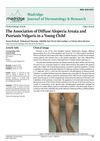
October 2018 in “Madridge journal of dermatology & research” A young child with alopecia areata and psoriasis improved with treatment, suggesting a link between the two conditions.
 February 2018 in “BMJ case reports”
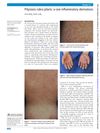
 An 18-year-old woman was diagnosed with a rare skin condition called Pityriasis rubra pilaris.
 January 2024 in “International Journal of Veterinary Sciences and Animal Husbandry”
 The Pomeranian dog fully recovered from mange after 35 days of treatment.
10 citations
,
November 2017 in “Skin Appendage Disorders” Erosive pustular dermatosis in elderly people may be linked to aging immune systems and skin damage.
 March 2026 in “Indian Dermatology Online Journal”
 Hair dye ingredient PPD can cause severe allergic reactions, including facial swelling.
 21 citations
,
October 2017 in “Journal of the European Academy of Dermatology and Venereology”
21 citations
,
October 2017 in “Journal of the European Academy of Dermatology and Venereology” Various potential triggers may be causing the rise in frontal fibrosing alopecia, and avoiding these could help stop the disease's increase.
3 citations
,
June 2024 in “Allergy” June 2018 in “Journal of the American Veterinary Medical Association” Three related Persian cats have a rare, likely hereditary skin condition causing hair loss and poor coat quality, with limited treatment options.
2 citations
,
September 1991 in “Indian Journal of Dermatology Venereology and Leprology” Minoxidil caused a skin reaction in a woman.
7 citations
,
August 2019 in “American Journal of Dermatopathology” Frontal fibrosing alopecia on limbs shows permanent inflammatory hair loss, not typical scarring.