February 2025 in “Archives of Dermatological Research” Fibrosing alopecia can be diagnosed without typical signs of lichen planopilaris.
 April 2026 in “Frontiers in Immunology”
 Certain genes may be linked to autoimmune conditions in people with alopecia areata.
Accurate diagnosis of hair loss types is crucial for effective treatment.
April 2023 in “Journal of Investigative Dermatology” EGFR helps protect hair follicles from bacterial infections.
January 2007 in “Frontiers in Medicine” Tofacitinib works well for treating alopecia areata, especially when combined with corticosteroids, but is less effective if the disease has lasted over 2 years.
 2 citations
,
February 2023 in “Journal of the American Academy of Dermatology”
2 citations
,
February 2023 in “Journal of the American Academy of Dermatology” People with autism are more likely to develop alopecia areata than those without autism.
July 2025 in “International Journal of Trichology” A 6-year-old boy's leg hair loss was due to friction from sitting cross-legged, and it usually resolves on its own.
 126 citations
,
April 2006 in “International Journal of Dermatology”
126 citations
,
April 2006 in “International Journal of Dermatology” The conclusion is that FFA and LPP have similar scalp biopsy features, making them hard to distinguish histologically, and FFA may be a specific kind of scarring hair loss.
April 2023 in “Journal of Investigative Dermatology” Trichohyalin in hair can trigger immune attacks in alopecia areata.
 July 2023 in “Portuguese journal of dermatology and venereology”
 Anxiety can cause significant hair loss in children.
5 citations
,
September 2020 in “Proceedings - Baylor University. Medical Center” Tofacitinib successfully treated a woman's severe symptoms from a rare autoimmune condition.

Lichen planopilaris and frontal fibrosing alopecia are likely the same disease with different clinical appearances.
35 citations
,
February 2023 in “Journal of Clinical Medicine” Demodex mites are common in adults and elderly, emerging in children, and require careful diagnosis and treatment.
 33 citations
,
December 2005 in “Archives of dermatology”
33 citations
,
December 2005 in “Archives of dermatology” Alefacept showed some effectiveness for alopecia areata but needs more research.
 January 2023 in “Surgical & Cosmetic Dermatology”
 The patient quickly recovered from hair loss caused by DRESS syndrome using topical minoxidil.
 7 citations
,
July 1990 in “Journal of the American Academy of Dermatology”
7 citations
,
July 1990 in “Journal of the American Academy of Dermatology” A woman with bullous pemphigoid had an allergic reaction to azathioprine, but got better with alternative treatments.
 August 2022 in “Contact dermatitis”
 Severe allergic reactions to hair dye can trigger hair loss and may be linked to multiple sclerosis.
September 2025 in “Frontiers in Immunology” Atopic dermatitis and alopecia areata share immune and genetic factors, and targeted therapies may help both.
4 citations
,
July 2024 in “Skin Research and Technology” April 2026 in “International Journal of Agriculture and Food Science” Early diagnosis and treatment can effectively manage mite infestations in goats.
August 2024 in “Skin Research and Technology” TAF can be identified by excessive skin thickening and clogged hair follicles, helping distinguish it from similar skin conditions.
286 citations
,
August 2007 in “Journal of Clinical Investigation” Alopecia areata is an autoimmune disease where T cells attack hair follicles.
 12 citations
,
January 2005 in “Pediatric Dermatology”
12 citations
,
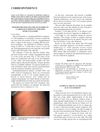
January 2005 in “Pediatric Dermatology” Fox Fordyce disease might be more common in prepubertal girls than thought and can be managed with treatment.
November 2025 in “Journal of Investigative Dermatology” Keloid fibroblasts cause itch and pain by releasing more histamine.
 April 2024 in “International Journal of Research Publication and Reviews”
 Alopecia areata causes hair loss with varied treatment responses and frequent relapses.
May 2019 in “Small Animal Dermatology” The dog had a good prognosis with proper treatment and cleaning.
 December 2025 in “Cureus”
 Avoiding friction and using topical treatments can significantly improve rough skin caused by repeated rubbing.
January 2024 in “Pharmacoepidemiology” Patients with rheumatoid arthritis using tofacitinib had more serious side effects than those with alopecia areata.
 March 2023 in “Journal of the American Academy of Dermatology”
 Treating underlying conditions and using antifungals effectively resolve Pityrosporum folliculitis in immunocompromised people.
January 2014 in “Ghent University Academic Bibliography (Ghent University)” FGF18 may influence hair loss in dogs.