Zinc methionylglycinate at 160 ppm improves dog hair and zinc levels best.
 October 2024 in “Journal of Education Health and Sport”
 Alopecia areata treatment should be personalized, using topical or systemic therapies based on severity, with promising options like JAK inhibitors needing more research.
 66 citations
,
July 2003 in “International Journal of Dermatology”
66 citations
,
July 2003 in “International Journal of Dermatology” Betamethasone valerate foam is more effective and safe for treating mild-to-moderate alopecia areata than betamethasone dipropionate lotion.
 September 2024 in “Vestnik Altajskogo gosudarstvennogo agrarnogo universiteta”
 A special diet improved skin issues in dogs with food allergies.
87 citations
,
January 1996 in “Journal of cellular biochemistry” Over 30 potential cancer prevention treatments are being tested, with some showing promise in early research.
 3 citations
,
April 2022 in “Farmacia”
3 citations
,
April 2022 in “Farmacia” Certain foods and supplements can help treat skin diseases alongside medication.
48 citations
,
April 2021 in “Journal of the American Academy of Dermatology” Topical corticosteroids are the best initial treatment for children's alopecia areata.
25 citations
,
September 2005 in “Journal of Investigative Dermatology Symposium Proceedings” Adding zinc to pyrithione zinc improves its effectiveness against scalp conditions like dandruff.
May 2008 in “10th European Congress of Endocrinology” Flutamide alone is as effective as the combination with finasteride for treating hirsutism.
May 2026 in “Medical and Veterinary Entomology” The combination of Lucilia sericata larva secretions and Achillea sintenisii extract significantly improves wound healing in diabetic rats.
November 2015 in “Ankara Medical Journal” Weekly 5 mg folate is enough to prevent methotrexate toxicity in rheumatoid arthritis patients.
April 1992 in “Pediatrics in Review” Quick, simple tests help diagnose children's skin fungal infections.
 164 citations
,
April 2008 in “Cochrane library”
164 citations
,
April 2008 in “Cochrane library” Current treatments for alopecia show no significant long-term benefits.
New treatments for hair loss show promise, especially with antiandrogens, minoxidil, and autoimmune therapies.
April 2013 in “The FASEB Journal” Dutasteride showed some prevention of prostate issues but also had limitations, especially with high-grade tumors.
 May 2024 in “Microbial Biosystems Journal”
 Herbal shampoos are as effective and safer than synthetic antifungal shampoos for treating Seborrheic dermatitis.
 January 2024 in “Editora In Vivo eBooks”
  January 2016 in “Kafkas Journal of Medical Sciences”
 Turkish pregnant women commonly experienced skin issues like itching and acne, and doctors mainly used topical treatments due to safety concerns during pregnancy.
 January 2025 in “Journal of Food Biochemistry”
 2′‐Fucosyllactose reduces hair loss and promotes hair growth in mice.
Antiseptic nanoparticle-emulsions may improve skin disinfection by targeting hair follicles.
 64 citations
,
June 2009 in “Journal of The American Academy of Dermatology”
64 citations
,
June 2009 in “Journal of The American Academy of Dermatology” Oral dutasteride can potentially treat frontal fibrosing alopecia in postmenopausal women, with some patients showing disease arrest and hair regrowth.
 August 2023 in “Journal of Cosmetic Dermatology”
 QR678 Neo® improved seborrheic dermatitis symptoms in a small group of patients.
2 citations
,
April 2022 in “Medicine” A Chinese boy's scalp infection from a guinea pig was cured with medication.
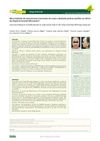 June 2024 in “BioSCIENCE”
 Microinfusion of methotrexate can help treat frontal fibrosing alopecia.
 February 2025 in “Dermatologic Surgery”
 Hair follicle transplantation can help treat wounds, sweating, odor, and skin conditions beyond just restoring hair.

Hair loss causes emotional distress, leading to high spending on treatments, with Minoxidil and Propecia being common but having side effects.
 October 2018 in “InTech eBooks”
 The most effective treatments for hair loss are minoxidil, finasteride, PRP, and hair transplants, with steroids and immunosuppressants for autoimmune types.
 October 2007 in “Inpharma Weekly” 1 citations
,
March 2009 in “The Journal of Urology”
October 2007 in “Inpharma Weekly” 1 citations
,
March 2009 in “The Journal of Urology” Combination therapy with fesoterodine and doxazosin improves bladder function and delays BPH progression.
January 2007 in “Frontiers in Medicine” Tofacitinib works well for treating alopecia areata, especially when combined with corticosteroids, but is less effective if the disease has lasted over 2 years.