 16 citations
,
January 2006 in “The Aging Male”
16 citations
,
January 2006 in “The Aging Male” Hormone imbalances can cause skin diseases, and understanding these links is important for diagnosis and treatment.
 9 citations
,
July 2018 in “Acta biomaterialia”
9 citations
,
July 2018 in “Acta biomaterialia” Eyelash curvature is linked to the thickness of the cuticle layer at the root.
 7 citations
,
January 2018 in “Materials Today: Proceedings”
7 citations
,
January 2018 in “Materials Today: Proceedings” Adding human hair fibers and glass micro-spheres to epoxy improves its wear resistance and strength.
 3 citations
,
November 2018 in “Oncology issues”
3 citations
,
November 2018 in “Oncology issues” Cancer survivors often experience worse skin problems from treatment than expected, and working with dermatologists could help improve their condition.
 2 citations
,
April 2021 in “International Journal of Dermatology”
2 citations
,
April 2021 in “International Journal of Dermatology” COVID-19 can cause skin issues like hives, rashes, and chickenpox-like eruptions, with women aged 31-40 being the most affected.
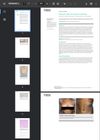
Follicular atopic dermatitis in dark skin can look different, making diagnosis harder.
A rare case of a woman having both lichen planus pigmentosus and classic lichen planopilaris at the same time.
 May 2006 in “Women's Health Medicine”
 Excessive hair growth in women, often from high androgen levels, is usually caused by PCOS, and can be treated with hair removal, medication, and possibly weight loss.
 August 1994 in “Drugs & Therapy Perspectives”
 Psoriasis treatments range from topical creams to systemic medications with serious side effects, and while treatments can manage symptoms, there is no cure.
1 citations
,
September 2020 in “Journal of dermatology” Researchers found a new mutation in the LIPH gene of a woman with a rare hair condition.
4 citations
,
September 2015 in “JAAD case reports” Substance P may play a role in the inflammation seen in keratosis follicularis spinulosa decalvans.
 21 citations
,
April 2014 in “PLoS ONE”
21 citations
,
April 2014 in “PLoS ONE” A rare gene variant causes hair and nail issues in a family.
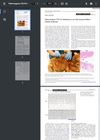 May 2024 in “Animal genetics”
 A cat's poor wound healing was linked to a genetic deletion in the COL5A1 gene.
April 2018 in “Dermatologic Surgery” 1 citations
,
February 2013 in “InTech eBooks” LEKTI is crucial for skin barrier and immune function, affecting conditions like Netherton syndrome and atopic dermatitis.
Pseudopelade is likely an independent disease due to its distinct features.
10 citations
,
July 2014 in “Annals of Saudi Medicine” A 30-year-old man with rare skin conditions improved with antibiotics and surgery, hinting at a link to rosacea.
April 2021 in “The journal of investigative dermatology/Journal of investigative dermatology” Lichen planopilaris in men often affects the scalp, eyebrows, arms, legs, and beard, with many having family members with hair loss.
7 citations
,
February 2011 in “Journal of dermatology” The 736T>A mutation in the LIPH gene is common in Japanese people with autosomal recessive woolly hair.
Accurate diagnosis is crucial for effective treatment of similar hair loss conditions.
 September 2022 in “The American Journal of Dermatopathology”
 Blocking IL-17 might help treat the hair loss condition Lichen planopilaris.
1 citations
,
November 2014 in “Actas dermo-sifiliográficas/Actas dermo-sifiliográficas” July 2024 in “Journal of Investigative Dermatology” Hair follicles are crucial for maintaining skin barrier function.
 2 citations
,
March 2022 in “Modern Rheumatology Case Reports”
2 citations
,
March 2022 in “Modern Rheumatology Case Reports” A medicine called tofacitinib worked to treat a hair loss condition linked with a muscle and skin disease.
 17 citations
,
November 2018 in “Dermatology”
17 citations
,
November 2018 in “Dermatology” Most patients with frontal fibrosing alopecia had facial bumps, with Hispanic/Latino and premenopausal women being more affected, suggesting a more severe condition.
June 2025 in “Dermatologic Surgery” Surgery can effectively treat severe eyelid turning out caused by a rare skin disorder.
10 citations
,
January 2018 in “International journal of trichology” Eruptive vellus hair cysts are rare and often misdiagnosed, requiring biopsy for accurate diagnosis.
Clinical signs don't match inflammation levels in lichen planopilaris and frontal fibrosing alopecia.
 April 2014 in “Jurnal Biomedik : JBM”
 An 8-year-old girl had nail and hair issues that improved without specific treatment, but fungal nail infection was hard to cure.
Genetic mutations linked to ectodermal dysplasias and hair loss were identified in Pakistani families.