 February 2022 in “Chinese Journal of Dermatology”
 A 36-year-old woman with worsening hair loss over 10 years was treated with various medications, and after six months, her hair loss did not worsen significantly.
13 citations
,
July 2010 in “Drug safety” Lamotrigine may cause hair loss, affecting treatment compliance and health.
 8 citations
,
January 2003 in “Pharmacotherapy: The Journal of Human Pharmacology and Drug Therapy”
8 citations
,
January 2003 in “Pharmacotherapy: The Journal of Human Pharmacology and Drug Therapy” Chemotherapy may cause recurring hair loss due to an autoimmune response.
 39 citations
,
October 2010 in “Journal of The American Academy of Dermatology”
39 citations
,
October 2010 in “Journal of The American Academy of Dermatology” Some patients with mycosis fungoides or Sézary syndrome experience hair loss, which may be similar to alopecia areata or linked to skin lesions, possibly due to abnormal T cells, and bexarotene can help treat it.
 May 2019 in “Australasian Journal of Dermatology”
 The conclusion is that managing hair loss conditions like FFA and melanoma requires individualized approaches, considering new findings and balancing treatment benefits with potential risks.
July 2018 in “IP Indian Journal of Clinical and Experimental Dermatology” Chemotherapy often causes hair loss, so patients should be counseled to reduce anxiety.
1 citations
,
October 2020 in “Cermin Dunia Kedokteran” A boy's scalp rash and baldness were cured using oral medication and medicated shampoo.
 2 citations
,
April 2019 in “Dermatologic Therapy”
2 citations
,
April 2019 in “Dermatologic Therapy” A patient with alopecia had hair regrowth with tofacitinib but developed a skin reaction, choosing to continue the treatment despite the side effect.
 3 citations
,
July 2013 in “Journal of Cutaneous Pathology”
3 citations
,
July 2013 in “Journal of Cutaneous Pathology” A woman's hair loss, resembling an autoimmune condition, improved after treatment, but requires ongoing checks due to potential serious associations.
2 citations
,
February 2016 in “Düşünen Adam” Venlafaxine can cause hair loss, which stops after discontinuation.
 5 citations
,
December 1981 in “PubMed”
5 citations
,
December 1981 in “PubMed” Metoprolol, a blood pressure medication, was linked to reversible hair loss.
 37 citations
,
April 2019 in “Journal of The American Academy of Dermatology”
37 citations
,
April 2019 in “Journal of The American Academy of Dermatology” Some treatments like intralesional steroids and 5α-reductase inhibitors are effective for frontal fibrosing alopecia, but more research is needed.
 1 citations
,
January 2019 in “Acta dermato-venereologica”
1 citations
,
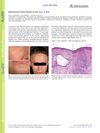
January 2019 in “Acta dermato-venereologica” The woman's skin and hair symptoms were confirmed as frontal fibrosing alopecia, and while facial papules are common in such cases, there's no effective local treatment, but systemic treatments can help.
January 2022 in “Clinical Cases in Dermatology” Chemotherapy can cause significant but usually reversible hair loss, and managing it involves patient education and hair care strategies.
December 2023 in “JAAD Case Reports” Intralesional corticosteroids effectively treat localized alopecia areata, often sparing white hairs.
2 citations
,
February 2021 in “Indian Dermatology Online Journal” Imatinib can cause hair loss due to lichen planopilaris.
2 citations
,
June 2024 in “JAAD reviews.” Some drugs can cause permanent hair loss, though it's rare.
 9 citations
,
January 2017 in “Dermatology Online Journal”
9 citations
,
January 2017 in “Dermatology Online Journal” Some hair loss drugs can cause a unique type of hair loss that resembles both psoriasis and alopecia.
 September 2022 in “Journal of The American Academy of Dermatology”
 Different types of hair loss are linked to COVID-19, with some types possibly increasing risk of getting the virus, while others may be triggered or worsened by the virus.
 August 2018 in “Journal of the American Academy of Dermatology”
 Tofacitinib is a potential alternative treatment for alopecia totalis, especially in patients with a shorter duration of the condition and more preserved hair follicles, but the overall response rate is low.
 January 2010 in “Actas Dermo-Sifiliográficas”
 A woman was allergic to quinine in her anti-hair loss lotion.
36 citations
,
May 2005 in “BMC dermatology” DPCP is effective for treating severe alopecia areata, but relapse is common.
 9 citations
,
April 2018 in “Journal of Dermatological Treatment”
9 citations
,
April 2018 in “Journal of Dermatological Treatment” Tofacitinib improves nail conditions in patients with severe hair loss and does not affect hair regrowth.
March 2005 in “Journal of the American Academy of Dermatology” Cosmetic treatments can replenish key amino acids in damaged hair, improving its strength and appearance.
 March 2026 in “Dermatology and Therapy”
 Low-dose oral minoxidil helps improve hairline and eyebrow coverage in frontal fibrosing alopecia.
 222 citations
,
September 2016 in “JCI insight”
222 citations
,
September 2016 in “JCI insight” Tofacitinib is safe and effective for severe alopecia areata, but hair loss may return 2 months after stopping treatment.
1 citations
,
May 2024 in “Skin Appendage Disorders” Hair regrowth was achieved using 5-Fluorouracil and Bleomycin for scalp atrophy caused by corticosteroids.
September 1999 in “PubMed” Finasteride effectively thickens hair in men with minimal side effects.
 December 2023 in “Expert Opinion on Drug Safety”
 Finasteride use is linked to increased reports of cognitive problems, especially in younger people with hair loss.
 April 2017 in “Reactions Weekly”
 Man experienced sexual dysfunction, depression, breast growth, and skin discoloration after taking finasteride for hair loss.