Search
for
Sort by
Research
270-300 / 1000+ results 
research The evaluation and management of hirsutism*1
Most women with excess hair growth have an underlying hormonal issue, often treated with medication and hair removal methods.
research Topical Eflornithine
Eflornithine cream effectively reduces women's unwanted facial hair but hair returns if treatment stops.
research Pharmacology of antiandrogens
Antiandrogens affect androgen-dependent body functions and are used for various medical conditions, with some risks like fetus feminization, but new forms like 17α-propylmesterolone show promise for acne without systemic effects.
research Synthesis and Structure–Activity Relationships of the First Ferrocenyl-Aryl-Hydantoin Derivatives of the Nonsteroidal Antiandrogen Nilutamide
Scientists made the first metal-based compounds from a nonsteroidal antiandrogen drug, which showed potential in fighting both hormone-dependent and independent prostate cancer cells.
research Hormonal therapy for acne: why not as first line therapy? facts and controversies
Hormonal treatments can help with acne but are not the first choice due to side effects and the need for careful patient selection.
research Comparison of finasteride versus spironolactone in the treatment of idiopathic hirsutism
Finasteride reduces hair growth better, but spironolactone has more side effects.
research Medical treatment of hirsutism
The conclusion is that the best initial treatment for hirsutism is usually oral contraceptives, with the addition of antiandrogens or insulin sensitizers if needed, and topical eflornithine or laser treatments as supplementary options.
research 5 mg/day finasteride treatment for normoandrogenic Asian women with female pattern hair loss
Finasteride improves hair density and thickness in women with hair loss.
research Regulatory roles of androgens in cutaneous wound healing
Testosterone may slow down wound healing and increase inflammation.
research Finasteride in the treatment of hirsutism: new therapeutic perspectives
Finasteride effectively treats hirsutism in women, but more research needed for long-term results.
research Mixed “Antiandrogenic” Chemicals at Low Individual Doses Produce Reproductive Tract Malformations in the Male Rat
Low doses of mixed chemicals cause permanent reproductive malformations in male rats.
research RU 58841, a new specific topical antiandrogen: A candidate of choice for the treatment of acne, androgenetic alopecia and hirsutism
RU 58841 may treat acne, hair loss, and excessive hair growth.
research Alopecia With Endocrine Therapies in Patients With Cancer
Endocrine therapies for cancer significantly increase the risk of hair loss.
research Finasteride 5 mg/day treatment of patterned hair loss in normo-androgenetic postmenopausal women
Finasteride 5 mg/day effectively treats hair loss in postmenopausal women without hyper-androgenism.
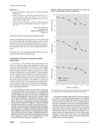
research Treatment of Tourette’s Syndrome With Finasteride
Finasteride may effectively reduce Tourette's syndrome symptoms and improve life quality.
research Clinical and hormonal effects of the 5 alpha-reductase inhibitor finasteride in idiopathic hirsutism.
Finasteride reduces hair growth and is safe for women with excessive hair.
research Is hormonal treatment still an option in acne today?
Hormonal treatments are effective as a second-line option for moderate-to-severe acne in females, but should be used with caution due to health risks.
research Hormonal therapies for acne
Hormonal treatments can improve acne, but they come with potential side effects and risks.
research Effect of sinapic acid on hair growth promoting in human hair follicle dermal papilla cells via Akt activation
Sinapic acid may help hair growth by activating a specific cell pathway.
research Hair Growth Promotion Activity and Its Mechanism ofPolygonum multiflorum
Polygonum multiflorum can promote hair growth when taken orally or applied topically.
research Androgens modulate keratinocyte differentiation indirectly through enhancing growth factor production from dermal fibroblasts
Male hormones indirectly affect skin cell development by increasing growth factor levels from skin fibroblasts.
research Percutaneous absorption of a new antiandrogen included in liposomes or in solution
Liposomes can make the antiandrogen RU 58841 more effective for skin application by reducing absorption, increasing skin retention, and targeting sebaceous structures.
research Synthesis and biological evaluation of amino-pyridines as androgen receptor antagonists for stimulating hair growth and reducing sebum production
A compound made by Pfizer can potentially stimulate hair growth and reduce oil production, making it a good candidate for topical use.
research Female Pattern Hair Loss
Over 50% of women over 50 experience hair loss, with minoxidil being the only proven effective treatment.
research Therapeutic Androgen Receptor Ligands
Androgens and SARMs play a role in body mass, frailty, skin health, and hair growth, and are used in treating prostate cancer, acne, and hair loss, with potential for new uses and improved versions in the future.
research Efficacy and safety of a new 10% topical minoxidil versus 5% topical minoxidil and placebo in the treatment of male androgenetic alopecia: a trichoscopic evaluation
10% minoxidil solution better promotes hair growth and reduces hair loss without significant side effects.
research Efficacy of platelet-rich plasma in androgenetic alopecia patients
PRP therapy safely improves hair growth in people with hair loss.
research The 5α-Reductase Inhibitor Finasteride Exerts Neuroprotection Against Ischemic Brain Injury in Aged Male Rats
Finasteride helps protect brain in old male rats.
research (1R,2S)-4-(2-Cyano-cyclohexyl-oxy)-2-trifluoromethyl-benzonitrile, a potent androgen receptor antagonist for stimulating hair growth and reducing sebum production
The compound (1R,2S)-4-(2-Cyano-cyclohexyl-oxy)-2-trifluoromethyl-benzonitrile can stimulate hair growth and reduce oil production when applied topically.