 1 citations
,
November 2009 in “Cambridge University Press eBooks”
1 citations
,
November 2009 in “Cambridge University Press eBooks” FUE is a less invasive hair restoration method with potential to become standard, offering benefits like reduced scarring and pain, but requires experience to minimize risks.
 8 citations
,
February 2020 in “Aesthetic Surgery Journal”
8 citations
,
February 2020 in “Aesthetic Surgery Journal” Adding cells to fat grafts improves hair regrowth in early baldness, but effects lessen over time.
 2 citations
,
June 2019 in “Boletín médico del Hospital Infantil de México”
2 citations
,
June 2019 in “Boletín médico del Hospital Infantil de México” Tofacitinib treatment is used for teenagers with alopecia areata.
 January 2022 in “Juniper Online Journal of Case Studies”
 A patient regrew hair after a lung transplant using standard post-transplant medication.
January 2010 in “Springer eBooks”  3 citations
,
October 2021 in “Indian Journal of Plastic Surgery”
3 citations
,
October 2021 in “Indian Journal of Plastic Surgery” Strip harvest hair transplants produce natural-looking results and have a high success rate with minimal damage to hair follicles.
 5 citations
,
January 2017 in “Dermatologic Surgery”
5 citations
,
January 2017 in “Dermatologic Surgery” Storing hair follicle micrografts for longer times can cause them to enter a state similar to the natural hair shedding phase, which might impact hair transplant results.
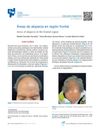 January 2025 in “Revista del Centro Dermatológico Pascua”
 Early diagnosis and treatment can help manage fibrosing alopecia in older women.
 2 citations
,
June 2000 in “Journal of Oral and Maxillofacial Surgery”
2 citations
,
June 2000 in “Journal of Oral and Maxillofacial Surgery” Hair transplantation techniques have improved over time, leading to natural-looking results and high graft survival rates, making it a popular treatment for hair loss.
 June 2024 in “BioSCIENCE”
 Microinfusion of methotrexate can help treat frontal fibrosing alopecia.
 October 2024 in “Aesthetic Plastic Surgery”
 Micrografts are a safe and effective treatment for hair loss in both men and women.
24 citations
,
March 2010 in “Journal of Cellular Biochemistry” Nestin-expressing blood vessels help skin transplants survive and heal.
 1 citations
,
May 2022 in “Dermatologic Therapy”
1 citations
,
May 2022 in “Dermatologic Therapy” Hair transplants can be used for rare types of scarring hair loss.
4 citations
,
May 2024 in “Cytotechnology”  July 2024 in “International Journal of Dermatology Venereology and Leprosy Sciences”
 Scalp tissue micrografts can effectively treat hair loss by increasing hair density and thickness.
December 2015 in “Endocrinology and Metabolic Syndrome”  2 citations
,
May 2018 in “PubMed”
2 citations
,
May 2018 in “PubMed” Follicular Unit Extraction should be limited to preserve donor hair density and avoid side effects.
 January 2014 in “Hair transplant forum international”
 Hair follicle cloning is possible but faces many challenges before it can replace traditional hair transplants.
July 2020 in “Hair transplant forum international” Placing hair grafts in the scar is the best way to fix widened FUT donor scars.
Transplanted rat hair follicles grew hair and had increased but not fully restored nerve connections in mice.
 January 2019 in “Srpski Arhiv Za Celokupno Lekarstvo”
 The technique improved hair transplant success and patient satisfaction by matching hair growth direction.
October 2022 in “Hair Transplantation” The ISHRS standardized FUE terminology for global use in hair restoration.
27 citations
,
September 2017 Pubic hair transplantation can improve self-esteem in those with sparse pubic hair.
2 citations
,
January 2023 in “Biomedicines” The treatment combining laser and fetal fibroblasts effectively reduces scarring.
 1 citations
,
June 2016 in “Aesthetic Surgery Journal”
1 citations
,
June 2016 in “Aesthetic Surgery Journal” Body hair is a safe and effective option for hair transplants when scalp hair is limited.
January 2026 in “Dermatologic Therapy” Older age, certain hair loss conditions, and specific chemical levels increase the risk of hair loss after a transplant.
6 citations
,
August 2024 in “Aesthetic Plastic Surgery” Recipient site necrosis is a rare but serious complication of hair transplants, often linked to smoking, diabetes, and hypertension.
October 2022 in “Hair Transplantation” Combination grafting offers efficient, natural hair restoration in one session.
 10 citations
,
July 1997 in “Dermatologic Clinics”
10 citations
,
July 1997 in “Dermatologic Clinics” Laser hair transplantation can be effective but should be limited to small areas and requires more training to ensure safety and effectiveness.

Non-transplantation methods can effectively restore hair.