January 2012 in “Open MIND” Oral minoxidil can cause painful skin bumps and scarring in some people.
 December 2022 in “Korean journal of medicinal crop science/Han-gug yagyong jagmul hag-hoeji”
 Natural extracts like ginseng, green tea, shiitake, and aloe vera may help prevent hair loss by protecting hair-related cells.
 17 citations
,
October 2016 in “Artificial Cells Nanomedicine and Biotechnology”
17 citations
,
October 2016 in “Artificial Cells Nanomedicine and Biotechnology” Using tiny fat particles to deliver arginine to hair follicles could be a new way to treat hair loss.

PRP therapy improves hair density and satisfaction more than Minoxidil for androgenetic alopecia.
November 2024 in “Journal of Investigative Dermatology” Ursolic and shikimic acid together boost hair growth better than alone.
Combining anti-androgenic, anti-inflammatory, and anti-fibrotic treatments may improve hair loss outcomes.
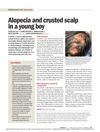 March 2026 in “Open MIND”
 Early treatment of scalp infections can prevent permanent hair loss.
 March 2005 in “International Journal of Cosmetic Science”
 A new method helps understand hair shine and various products improve hair care.
 2 citations
,
November 2021 in “International Journal of Applied Pharmaceutics”
2 citations
,
November 2021 in “International Journal of Applied Pharmaceutics” The phytosome lotion made from Mangkokan leaf extract was more effective for hair growth than 2% minoxidil, especially at 30% concentration.
 4 citations
,
September 2020 in “Frontiers in Microbiology”
4 citations
,
September 2020 in “Frontiers in Microbiology” Algal oligosaccharides help prevent hair loss and promote hair growth.
 May 2016 in “Portuguese National Funding Agency for Science, Research and Technology (RCAAP Project by FCT)”
  January 2022 in “Journal of Cosmetic Dermatology”
 Using basic fibroblast growth factor with minoxidil improves hair growth and patient satisfaction more than using minoxidil alone.
8 citations
,
November 2020 in “Journal of Cosmetic Dermatology” The ingredients may help prevent hair loss and aging by boosting hair growth signals and reducing stress and hormone effects.
June 2022 in “IP Indian journal of clinical and experimental dermatology” Both treatments were equally effective in promoting hair growth.
 September 2024 in “Journal of the American Academy of Dermatology”
 The new hair treatment significantly reduces hair shedding safely.
July 2021 in “CRC Press eBooks” Healthy scalp is crucial for hair growth and preventing hair loss.
 1 citations
,
January 2016 in “Der pharmacia lettre”
1 citations
,
January 2016 in “Der pharmacia lettre” Eclipta alba extracts in shampoo can help hair growth and fight dandruff.
 June 2025 in “Stem Cell Research & Therapy”
 Understanding hair growth pathways can lead to better hair loss treatments.
January 2007 in “Durham e-Theses (Durham University)” Hair growth and shedding involve specific cell changes and gene roles.
 September 2017 in “Journal of Investigative Dermatology”
 HIF-1A may aid hair growth, Backhousia citriodora improves skin, autologous cells stabilize hair loss, infrared thermography assesses alopecia, and a new treatment preserves hair.
 3 citations
,
January 2021 in “ScienceAsia”
3 citations
,
January 2021 in “ScienceAsia” Using an enzyme and keratin treatment can significantly repair and strengthen damaged hair.
December 2024 in “International Journal of Scientific Reports” The plant-based hair serum is a promising and safe alternative to minoxidil for hair regrowth.
 13 citations
,
September 2021 in “Current Issues in Molecular Biology”
13 citations
,
September 2021 in “Current Issues in Molecular Biology” Dexpanthenol helps human hair follicle cells grow by preventing aging and death, and by supporting growth signals.
Platelet-rich plasma helps human hair cells grow and survive better.
 January 2025 in “MEDS Public Health and Preventive Medicine”
 Spermidine supplements can help extend the hair growth phase and may be useful for treating hair loss.
 29 citations
,
August 2017 in “Skin appendage disorders”
29 citations
,
August 2017 in “Skin appendage disorders” IGF-1 may affect hair growth and loss, but more research is needed to confirm effective and safe treatments.
 1 citations
,
August 2023 in “Biomolecules & therapeutics”
1 citations
,
August 2023 in “Biomolecules & therapeutics” HAPLN1 can promote hair growth and may help treat hair loss.
 November 2024 in “Applied Sciences”
 Placenta products might help with hair loss, but more research is needed.
The product made from plant extracts was tested for treating hair loss caused by genetics.
 1 citations
,
January 2009 in “Elsevier eBooks”
1 citations
,
January 2009 in “Elsevier eBooks” Combining proper shaving, topical treatments, and laser therapy effectively reduces Pseudofolliculitis Barbae.