 2 citations
,
November 2025 in “Journal of Ovarian Research”
2 citations
,
November 2025 in “Journal of Ovarian Research” Reducing granulosa cell pyroptosis may improve oocyte maturation in PCOS.
 2 citations
,
January 2014 in “Springer eBooks”
2 citations
,
January 2014 in “Springer eBooks” Polycystic Ovary Syndrome (PCOS) often leads to severe acne, and lifestyle changes and hormonal treatments can help manage it.
 1 citations
,
August 2013 in “Springer eBooks”
1 citations
,
August 2013 in “Springer eBooks” Birth control pills and anti-androgen medications help manage hair growth, acne, and hair loss in women with PCOS.
 1 citations
,
January 2009 in “Drug delivery system”
1 citations
,
January 2009 in “Drug delivery system” Anti-aging treatments like hair transplants, minoxidil, and finasteride effectively promote hair growth.
 February 2025 in “Cureus”
 Non-compliance with PCOS medication worsens symptoms and highlights the need for better patient support and education.
 January 2023 in “Austin Journal of Obstetrics and Gynecology”
 PCOS affects many young women in KSA, with mild cases being most common.
 April 2021 in “Journal of evolution of medical and dental sciences”
 Women with PCOS have higher levels of certain androgens, which are good at predicting excess hair growth.
 July 2018 in “Elsevier eBooks”
 Acne keloidalis nuchae is a chronic skin condition more common in African men, causing itchy or painful bumps and can lead to permanent hair loss if not treated early.
 April 2017 in “Journal of evolution of medical and dental sciences”
 Most women with excess hair growth had Polycystic Ovary Syndrome, and severity wasn't linked to hormone levels.
 January 2011 in “Journal of The American Academy of Dermatology”
 A man developed a painful skin condition after multiple heart procedures involving radiation.
 September 2008 in “Fertility and Sterility”
 Exposure to fatty acids significantly increased androgen levels in female dogs, suggesting a link to conditions like insulin resistance and PCOS.
 June 2008 in “British Journal of Dermatology”
 Herpes gestationis is linked to certain antigens, atopic eczema affects T cell populations and may be eased by breastfeeding, higher doses of anti-androgen treatment can improve androgenic alopecia, topical minoxidil increases hair thickness, long-term methotrexate therapy can cause liver fibrosis in psoriasis patients, and Lichen Sclerosus et Atrophicus patients aren't at higher risk for autoimmune disorders.
 March 2020 in “Journal of the turkish academy of dermatology”
 There's no significant link between blood fat levels and male pattern baldness.
 36 citations
,
January 2012 in “International Journal of Trichology”
36 citations
,
January 2012 in “International Journal of Trichology” Losing eyelashes or eyebrows can be a sign of many different health problems and needs a careful approach to treat effectively.
 18 citations
,
June 2017 in “Journal of The American Academy of Dermatology”
18 citations
,
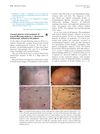
June 2017 in “Journal of The American Academy of Dermatology” Trichoscopy helps diagnose frontal fibrosing alopecia, even with unusual patterns.
 1 citations
,
May 2009 in “Annales de Dermatologie et de Vénéréologie”
1 citations
,
May 2009 in “Annales de Dermatologie et de Vénéréologie” Environmental factors like smoking, UV exposure, and poor diet contribute to hair loss and graying, and lifestyle changes can help manage it.

Laser hair removal may cause skin changes that prevent hair regrowth.
 July 2015 in “Cambridge University Press eBooks”
 The document concludes that treatments for female hair loss and excess body hair are available, but managing expectations is important.
 22 citations
,
May 1999 in “International Journal of Dermatology”
22 citations
,
May 1999 in “International Journal of Dermatology” Hair loss from genetics and hormones can be treated with drugs or surgery.
Avicennia Marina extract and avicequinone C can reduce hair loss hormone production and increase hair growth factors, suggesting they could be used to treat androgenic alopecia.
 370 citations
,
September 1999 in “The New England Journal of Medicine”
370 citations
,
September 1999 in “The New England Journal of Medicine” Finasteride and minoxidil are effective for hair loss, but continued research is needed for better treatments.
 97 citations
,
March 2009 in “Dermato-endocrinology”
97 citations
,
March 2009 in “Dermato-endocrinology” Hormones significantly affect hair and oil gland function in the skin, and more research is needed on skin-related hormone disorders.
 87 citations
,
March 2011 in “Australasian Journal of Dermatology”
87 citations
,
March 2011 in “Australasian Journal of Dermatology” Genetics and hormones play a role in male and female hair loss, but more research is needed to fully understand it.
 78 citations
,
June 2021 in “Dermatology and Therapy”
78 citations
,
June 2021 in “Dermatology and Therapy” Future acne treatments should aggressively target inflammation to prevent scarring.
 67 citations
,
September 2008 in “Dermatologic therapy”
67 citations
,
September 2008 in “Dermatologic therapy” Hirsutism is excessive hair growth in women often caused by polycystic ovarian syndrome, and identifying the cause is important for managing associated health risks.
 53 citations
,
October 1984 in “Endocrine reviews”
53 citations
,
October 1984 in “Endocrine reviews” Excessive hair growth in women often has no known cause and is not linked to race or other hormonal symptoms.
 51 citations
,
January 2003 in “Hormone Research in Paediatrics”
51 citations
,
January 2003 in “Hormone Research in Paediatrics” Hormones and their receptors, especially androgens, play a key role in hair growth and disorders like baldness.
 34 citations
,
January 2008 in “International Review of Neurobiology”
34 citations
,
January 2008 in “International Review of Neurobiology” Epilepsy and certain epilepsy drugs can lead to reproductive problems in women, but changing medication might improve these issues.
 29 citations
,
September 2012 in “Dermatologic Clinics”
29 citations
,
September 2012 in “Dermatologic Clinics” Hair disorders are caused by a complex mix of biology, genetics, hormones, and environmental factors, affecting hair growth and leading to conditions like alopecia.
 21 citations
,
February 2017 in “International Journal of Women's Dermatology”
21 citations
,
February 2017 in “International Journal of Women's Dermatology” Hormonal therapies help treat female hair loss, but results are slow and vary.