 2 citations
,
June 2011 in “Expert Review of Dermatology”
2 citations
,
June 2011 in “Expert Review of Dermatology” Female pattern hair loss involves thinning hair on crown and frontal scalp, diagnosed by hair ratio, and treated with minoxidil, antiandrogens, or hair transplantation.

Technology enhances human design thinking, creating new possibilities.

Technology expands design thinking possibilities, requiring a hybrid, reflective approach.
 September 2023 in “International Journal of Dermatology”
 Younger people are at a higher risk for Fibrosing Alopecia in a Pattern Distribution than previously thought, with common symptoms and possible involvement of mast cells in its development.
 January 2017 in “Journal of Investigative Dermatology Symposium Proceedings”
 The 2015 Hair Research Congress concluded that stem cells, maraviroc, and simvastatin could potentially treat Alopecia Areata, topical minoxidil, finasteride, and steroids could treat Frontal Fibrosing Alopecia, and PTGDR2 antagonists could also treat alopecia. They also found that low-level light therapy could help with hair loss, a robotic device could assist in hair extraction, and nutrition could aid hair growth. They suggested that Alopecia Areata is an inflammatory disorder, not a single disease, indicating a need for personalized treatments.
May 2022 in “Dermatology practical & conceptual” Trichoscopy is crucial for diagnosing and managing androgenetic alopecia, showing increased vellus hairs, empty follicles, and fibrosis with severity.
 September 2014 in “Springer eBooks”
 Aging causes hair to gray and thin, with the timing of graying varying by race, and factors like oxidative stress and genetics can lead to hair loss.
 67 citations
,
August 2007 in “American Journal of Pathology”
67 citations
,
August 2007 in “American Journal of Pathology” Overexpressing the mineralocorticoid receptor in mouse skin causes skin thinning, early skin barrier development, eye issues, and hair loss.
 April 2018 in “The journal of investigative dermatology/Journal of investigative dermatology”
 Ginseng and Albizia extracts may help prevent age-related hair thinning.
 August 2016 in “Journal of the Portuguese Society of Dermatology and Venereology”
 Two women with darker skin had both frontal hair thinning and skin discoloration.
 88 citations
,
May 2005 in “Journal of Dermatological Science”
88 citations
,
May 2005 in “Journal of Dermatological Science” Versican, a protein, is less present in thinning hair follicles and this decrease might contribute to common hair loss in men.
 30 citations
,
May 2018 in “Experimental Dermatology”
30 citations
,
May 2018 in “Experimental Dermatology” The conclusion is that future hair loss treatments should target the root causes of hair thinning, not just promote hair growth.
 99 citations
,
June 2005 in “Journal of Cosmetic Dermatology”
99 citations
,
June 2005 in “Journal of Cosmetic Dermatology” Hair ages due to genetics and environmental factors, leading to graying and thinning, with treatments available for some conditions.
 24 citations
,
March 2011 in “British Journal of Dermatology”
24 citations
,
March 2011 in “British Journal of Dermatology” Men with hair loss have more DNA changes in back-of-head hair follicles, possibly protecting them from thinning.
 20 citations
,
August 2005 in “Journal of Cutaneous Pathology”
20 citations
,
August 2005 in “Journal of Cutaneous Pathology” The protein ARA70/ELE1 is involved in male pattern baldness, and lower levels of its short form may lead to hair thinning.
 23 citations
,
October 2021 in “Cell Stem Cell”
23 citations
,
October 2021 in “Cell Stem Cell” Hair thinning causes stem cell loss through a process involving Piezo1, calcium, and TNF-α.
 January 2023 in “Journal of surgery and research”
 New treatment effectively reverses hair thinning in most patients with mild side effects.
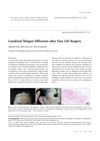 4 citations
,
January 2015 in “Annals of Dermatology”
4 citations
,
January 2015 in “Annals of Dermatology” A woman's temporary hair loss after face lift surgery stopped on its own, and hair grew back.
May 2020 in “International journal of molecular biology” Mutations in the AR gene cause hair thinning and loss.
 34 citations
,
February 2012 in “Journal of Cutaneous Pathology”
34 citations
,
February 2012 in “Journal of Cutaneous Pathology” The research found specific signs to diagnose alopecia areata incognito and noted patients generally regrow hair after steroid treatment.
 13 citations
,
March 2011 in “British Journal of Dermatology”
13 citations
,
March 2011 in “British Journal of Dermatology” A woman with scalp lymphoma and hair loss improved with radiotherapy, highlighting the need for biopsies in similar cases.
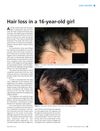 November 2014 in “Prescriber”
 The 16-year-old girl with hair loss was successfully treated for alopecia areata, leading to significant hair regrowth.
 64 citations
,
January 2005 in “International Journal of Dermatology”
64 citations
,
January 2005 in “International Journal of Dermatology” Hair transplant destroyed by lichen planopilaris.
 6 citations
,
January 2010 in “Springer eBooks”
6 citations
,
January 2010 in “Springer eBooks” SA linked to mitochondrial issues and oxidative stress, while AGA involves disrupted hair growth genes.
 3 citations
,
January 2021 in “Plastic and Aesthetic Research”
3 citations
,
January 2021 in “Plastic and Aesthetic Research” Hair loss reduces hair thickness and coverage, but drug treatments mainly revive dormant hairs rather than reverse thinning; patients often undervalue their hair loss severity.
 December 2025 in “BENTHAM SCIENCE PUBLISHERS eBooks”
 PCOS often causes skin issues like excess hair, acne, hair thinning, and dark patches due to hormone imbalances and insulin resistance.
 214 citations
,
March 1993 in “Archives of Dermatology”
214 citations
,
March 1993 in “Archives of Dermatology” Telogen effluvium is a reversible hair loss condition that requires a detailed diagnosis and often resolves on its own.
 34 citations
,
April 2009 in “Skin Pharmacology and Physiology”
34 citations
,
April 2009 in “Skin Pharmacology and Physiology” Minoxidil affects cell growth in two ways: low doses increase growth, while high doses slow it down and can be toxic.
 11 citations
,
June 2019 in “Tissue & Cell”
11 citations
,
June 2019 in “Tissue & Cell” Hair stem cells produce a protein called COL17A1 that plays a key role in their development and is linked to hair thinning and baldness.
 10 citations
,
January 2013 in “International Journal of Trichology”
10 citations
,
January 2013 in “International Journal of Trichology” Trichoscopy effectively diagnoses early female hair loss, but may need scalp biopsy for confirmation.