 July 2025 in “Chinese Journal of Dermatology”
 The domestic hair follicle extraction system is as effective and safe as traditional FUE.
 January 2024 in “Advances in Cosmetic Surgery”
 Robotic hair restoration is a safe, efficient alternative to manual hair transplant, best for men with dark, thick hair and skin, requiring sufficient donor hair and postoperative care.
 13 citations
,
March 2013 in “Dermatologic Surgery”
13 citations
,
March 2013 in “Dermatologic Surgery” The document concludes that hair restoration has advanced significantly, with FUE becoming more popular, and stresses the importance of physician training and ethical practices in the field.
 31 citations
,
November 2013 in “Dermatologic Clinics”
31 citations
,
November 2013 in “Dermatologic Clinics” The ARTAS robotic system for hair restoration is efficient with fewer cuts than manual methods, but it's limited to certain hair types and can still leave scars.
 25 citations
,
May 2011 in “Annals of Plastic Surgery”
25 citations
,
May 2011 in “Annals of Plastic Surgery” Nonhead hair transplantation is effective for patients with limited head donor hair, but more research is needed.
 23 citations
,
September 2014 in “Journal of The American Academy of Dermatology”
23 citations
,
September 2014 in “Journal of The American Academy of Dermatology” The robotic hair restoration device had a high success rate and was faster than manual methods for Korean patients.
 15 citations
,
September 2016 in “Hair transplant forum international”
15 citations
,
September 2016 in “Hair transplant forum international” The "open punch" technique for hair transplantation can help reduce damage to hair grafts and may be especially useful for beginners and in cases with curly hair.
 10 citations
,
June 2001 in “International Journal of Cosmetic Surgery and Aesthetic Dermatology”
10 citations
,
June 2001 in “International Journal of Cosmetic Surgery and Aesthetic Dermatology” Splitting single-hair grafts seems to improve perceived hair fullness without affecting growth, intact grafts grow slightly better, and the Mantis microscope is clear but slower without reducing damage to grafts.
 4 citations
,
May 2017 in “Hair transplant forum international”
4 citations
,
May 2017 in “Hair transplant forum international” Using implanters in hair transplants can improve outcomes and cause less damage to hair follicles.
 4 citations
,
November 2016 in “International Society of Hair Restoration Surgery”
4 citations
,
November 2016 in “International Society of Hair Restoration Surgery” Both punch types are effective, but they differ in transection rates and ease of use.
 3 citations
,
October 2017 in “Journal of Cosmetic Dermatology”
3 citations
,
October 2017 in “Journal of Cosmetic Dermatology” Dr. Muhammad Ahmad created a hair classification system to help improve hair restoration surgery outcomes.
 2 citations
,
November 2016 in “PubMed”
2 citations
,
November 2016 in “PubMed” Robotic hair restoration is efficient, minimally invasive, reduces scarring, and leads to quick healing with high patient satisfaction.
 27 citations
,
January 2006 in “Dermatologic Surgery”
27 citations
,
January 2006 in “Dermatologic Surgery” The SAFE System for hair transplants results in low damage to follicles and could make the procedure suitable for more patients.
1 citations
,
January 2020 FUE is a preferred hair restoration method because it avoids large scars and offers less pain.
 November 2006 in “Dermatologic Surgery”
 Cutting hair follicles into pieces for transplantation results in poor growth and thinner hair, and the technique is more invasive than previously thought.
 77 citations
,
April 1999 in “Dermatologic Clinics”
77 citations
,
April 1999 in “Dermatologic Clinics” The document concludes that follicular unit transplantation offers more natural results and better graft survival than older hair transplant methods.
 6 citations
,
May 2013 in “Dermatologic Surgery”
6 citations
,
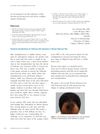
May 2013 in “Dermatologic Surgery” FUE can be successfully done on African-American hair by using larger punch tools and careful techniques to reduce hair damage.
 June 2002 in “Seminars in Cutaneous Medicine and Surgery”
 Using a microscope during hair transplants cuts damage to follicles in half and could improve hair growth.
 15 citations
,
December 2007 in “Dermatologic Therapy”
15 citations
,
December 2007 in “Dermatologic Therapy” Hair transplantation has improved with techniques that increase graft survival and patient satisfaction for more natural results.
 1 citations
,
July 2010 in “Dermatologic Surgery”
1 citations
,
July 2010 in “Dermatologic Surgery” Splitting one hair follicle into two can help regrow hair with a 50% to 70% success rate, useful when donor hair is limited.
 3 citations
,
October 2021 in “Indian Journal of Plastic Surgery”
3 citations
,
October 2021 in “Indian Journal of Plastic Surgery” Strip harvest hair transplants produce natural-looking results and have a high success rate with minimal damage to hair follicles.
 September 2024 in “Journal of Cosmetic Dermatology”
 Robotic hair transplants are easier and quicker to learn than traditional methods.
 29 citations
,
January 2010 in “PubMed”
29 citations
,
January 2010 in “PubMed” FUE hair transplants offer minimal scarring and are good for short hairstyles but are time-consuming and can be costly.
 3 citations
,
January 2014 in “Archives of Aesthetic Plastic Surgery”
3 citations
,
January 2014 in “Archives of Aesthetic Plastic Surgery” The combination method is more efficient for hair transplants.
 1 citations
,
May 2015 in “Dermatologic Therapy”
1 citations
,
May 2015 in “Dermatologic Therapy” The microstrip technique for hair transplantation is effective and discreet for patients needing fewer than 1500 grafts.
 26 citations
,
October 2012 in “Dermatologic Clinics”
26 citations
,
October 2012 in “Dermatologic Clinics” The document details hair transplantation techniques and innovations, highlighting Follicular Unit Transplantation as the standard and discussing the effectiveness and challenges of the procedure.
 January 2017 in “International journal of transplantation & plastic surgery”
 Hair restoration techniques have improved over time, focusing on better results and less scarring, but skilled doctors are essential for natural-looking outcomes.
 32 citations
,
July 2011 in “Facial Plastic Surgery”
32 citations
,
July 2011 in “Facial Plastic Surgery” New hair transplant methods offer more natural results and better graft survival, with ongoing research to increase donor hair options.
 January 2016 in “Springer eBooks”
 The document concludes that there are various causes and treatments for hair loss, with hair transplantation being a notable option.
 March 2009 in “Medical & surgical dermatology”
 Women with androgenetic alopecia have fewer terminal hairs, phenol in nail surgery is safe, and a new hair transplant method is faster and less damaging.