January 2026 in “Microsystems & Nanoengineering” New technologies replicate human skin for testing without animals.
2 citations
,
February 2023 in “Anais Brasileiros de Dermatologia”  18 citations
,
March 1974 in “Acta dermato-venereologica”
18 citations
,
March 1974 in “Acta dermato-venereologica” Chronic kidney disease can cause skin and nail problems.
15 citations
,
December 1972 in “Journal of Investigative Dermatology” 17 citations
,
September 2022 in “Biomaterials Research” The film-trigger applicator improves microneedle skin delivery and drug efficiency using simple finger force.
A skin model using hair and skin cells can mimic human skin for research.
26 citations
,
January 2022 The skin is essential for protection, temperature control, and immune defense.
7 citations
,
November 1997 in “Reproduction Fertility and Development” Epidermal growth factor disrupts hair and gland formation in bandicoots.
 August 2023 in “International Journal of Molecular Sciences”
 Human skin xenografting could improve our understanding of skin development, renewal, and healing.
 48 citations
,
October 2011 in “Sports Medicine”
48 citations
,
October 2011 in “Sports Medicine” Ice-skating athletes often have skin problems due to cold, infections, and inflammation, needing careful treatment and prevention.
89 citations
,
May 2005 in “Stem Cells” Mouse skin has special cells in the epidermis that decrease with age and are linked to keratinocyte stem cells.
5 citations
,
January 2018 in “JOURNAL OF CLINICAL AND DIAGNOSTIC RESEARCH” Flat feet in obese individuals may indicate metabolic syndrome.
 31 citations
,
November 2016 in “Cell Reports”
31 citations
,
November 2016 in “Cell Reports” Touch sensitivity in mouse skin decreases during hair growth due to changes in touch receptors.
6 citations
,
July 2025 in “Frontiers in Microbiology” Imbalanced skin bacteria worsen diabetic foot ulcers, but adjusting them might improve healing.
2 citations
,
September 2023 in “Journal of clinical medicine” Scalp skin grafts effectively cover lower limb defects with high success and minimal complications.
11 citations
,
January 1956 in “Journal of Investigative Dermatology” 48 citations
,
August 2001 in “Experimental dermatology” Researchers created a quick, cost-effective way to make skin-like tissue from hair follicles and fibroblasts.
 August 2019 in “Journal of Investigative Dermatology”
 The study found that tight junctions reach the top layer of the skin's stratum granulosum, not just the second top layer as previously thought.
August 2016 in “The journal of investigative dermatology/Journal of investigative dermatology” Different types of skin cells create unique support structures that can affect skin cell growth and could help in skin repair.
 23 citations
,
January 2005 in “Nihon Ishinkin Gakkai zasshi”
23 citations
,
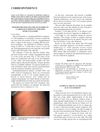
January 2005 in “Nihon Ishinkin Gakkai zasshi” Nested PCR can reliably identify fungal infections when traditional methods fail.
 12 citations
,
January 2005 in “Pediatric Dermatology”
12 citations
,
January 2005 in “Pediatric Dermatology” Fox Fordyce disease might be more common in prepubertal girls than thought and can be managed with treatment.
4 citations
,
November 2024 in “Current Opinion in Genetics & Development” October 2010 in “EUR Research Repository (Erasmus University Rotterdam)” A fungal skin infection was successfully treated with medication and compression therapy.
April 2013 in “Cancer Research” SKH1 hairless mice have identifiable epidermal stem cells with specific markers.
110 citations
,
January 1983 in “Brain Research Reviews” Monkey lips have dense sensory nerves similar to those in other skin areas, explaining their sensitivity.
5 citations
,
May 2025 in “Nature Communications” Dietary fats are stored in the skin, affecting body heat regulation.
8 citations
,
September 2011 in “Scanning” Multiphoton microscopy effectively images mouse skin layers and structures.
July 2024 in “Journal of Investigative Dermatology” The new skin organoid system effectively mimics human skin for studying its functions, injuries, and diseases.
 August 2023 in “Journal of Investigative Dermatology”
 Different body areas have unique skin cell communication patterns, explaining why certain skin diseases occur in specific regions.
18 citations
,
November 2007 in “Acta Veterinaria Hungarica” The ovine interdigital sinus has a complex structure with three layers and various skin-like features.