 January 2011 in “Kufa Medical Journal”
 Minoxidil solution applied on skin can effectively promote hair growth and increase hair thickness in male mice.
 14 citations
,
January 2007 in “Journal of Dermatological Treatment”
14 citations
,
January 2007 in “Journal of Dermatological Treatment” Minoxidil solution had low effect, causing 99% to stop using it.
 February 2022 in “Faculty Opinions – Post-Publication Peer Review of the Biomedical Literature”
 Low-dose oral minoxidil is a promising, safe treatment for various hair diseases, improving hair thickness and density, but more research is needed on long-term side effects and treatment duration.
1 citations
,
January 2017 in “Journal of Dermatology and Venereology” The plant extract and minoxidil both reduce hair loss by lowering specific gene expressions.
 April 2025 in “Journal of Advanced Pharmaceutical Technology amp Research”
 A mix of Morinda citrifolia fruit and Averrhoa bilimbi leaves boosts hair growth better than minoxidil.
 17 citations
,
October 2013 in “F1000Research”
17 citations
,
October 2013 in “F1000Research” A 2-year-old boy grew excessive hair after using minoxidil for hair loss, but it improved when the treatment stopped.
 11 citations
,
January 2010 in “Indian Journal of Dermatology, Venereology and Leprology”
11 citations
,
January 2010 in “Indian Journal of Dermatology, Venereology and Leprology” Hair transplant and applying 5% minoxidil solution can effectively treat permanent hair loss, but it may change hair direction in some cases.
July 2025 in “Journal of Investigative Dermatology” Low-dose oral minoxidil is safe for the heart in the short term for hair loss patients.
 17 citations
,
June 2016 in “Australasian Journal of Dermatology”
17 citations
,
June 2016 in “Australasian Journal of Dermatology” Treatment with dutasteride, minoxidil, and artificial hair transplantation improved appearance but caused folliculitis.
September 1990 in “Journal of Dermatological Science”  January 2008 in “Abstracts”
 Minoxidil sulfate gel can be used to treat hair loss.
36 citations
,
March 1989 in “Cleveland Clinic Journal of Medicine” 3% topical minoxidil effectively treats extensive alopecia areata.
January 2023 in “Dermatologic Therapy” The new 5% minoxidil foam is as effective and safe as Rogaine® for treating hair loss in Chinese men.
 1 citations
,
May 1983 in “Acta dermato-venereologica”
1 citations
,
May 1983 in “Acta dermato-venereologica” Minoxidil caused hair regrowth, but cyproterone acetate did not maintain it.
 April 2024 in “Journal of the American Academy of Dermatology”
 Low-dose minoxidil helps hair grow longer and thicker in people with short anagen syndrome.
 6 citations
,
January 2021 in “Journal of The American Academy of Dermatology”
6 citations
,
January 2021 in “Journal of The American Academy of Dermatology” Low-dose oral minoxidil can be effective for hair loss but should be avoided in people with certain heart conditions and severe liver problems.
 2 citations
,
October 2012 in “PubMed”
2 citations
,
October 2012 in “PubMed” Topical minoxidil effectively treats Female Pattern Hair Loss in women of all ages and hormone levels, but evidence for antiandrogens is limited.
3 citations
,
January 1988 in “The Nishinihon Journal of Dermatology” Minoxidil slows hair cell growth but doesn't change cell shape or development.
 August 2023 in “Drug Design Development and Therapy”
 Minoxidil may work for hair loss by reducing androgen sensitivity and altering hormone-related enzymes.
 25 citations
,
June 2018 in “Clinical and Experimental Dermatology”
25 citations
,
June 2018 in “Clinical and Experimental Dermatology” Combined microneedling and minoxidil improves hair growth more than minoxidil alone.
37 citations
,
March 1986 in “Acta Dermato Venereologica” 1% minoxidil didn't improve hair growth in severe alopecia areata.
 3 citations
,
May 2022 in “Journal of The American Academy of Dermatology”
3 citations
,
May 2022 in “Journal of The American Academy of Dermatology” The conclusion is that 24 weeks of low-dose oral minoxidil is safe for men with hair loss, with no significant changes in heart rate or blood pressure.
 January 2026 in “Lumbung Farmasi Jurnal Ilmu Kefarmasian”
 The topical formula with sidr leaves and roasted candlenut extracts significantly boosts hair growth for alopecia.
 October 2024 in “International Journal of Dermatology”
 Oral and topical minoxidil are equally effective for hair loss, but oral minoxidil causes more unwanted hair growth.
 32 citations
,
June 2015 in “Dermatologic Therapy”
32 citations
,
June 2015 in “Dermatologic Therapy” Finasteride and minoxidil together work best for male hair loss.
 9 citations
,
January 1987 in “Journal of The American Academy of Dermatology”
9 citations
,
January 1987 in “Journal of The American Academy of Dermatology” A man lost a lot of scalp hair quickly after stopping minoxidil, but it grew back with mild male pattern baldness.
August 2022 in “International Journal of Dermatology” Low-dose oral and sublingual minoxidil seem safe for children with hair disorders.
6 citations
,
November 1990 in “DICP” 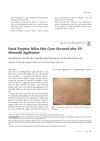 3 citations
,
January 2018 in “Annals of Dermatology”
3 citations
,
January 2018 in “Annals of Dermatology” A woman developed facial hair cysts after using a 3% minoxidil solution for hair loss, which disappeared after stopping the treatment and removing the cysts surgically.
 2 citations
,
October 2020 in “Dermatologic Therapy”
2 citations
,
October 2020 in “Dermatologic Therapy” Herbal solution improves hair diameter and density more than 5% minoxidil for androgenetic alopecia.