53 citations
,
July 2021 in “International Journal of Molecular Sciences” Geranium pyrenaicum extracts show potential for cancer, antiviral, and enzyme inhibition treatments.
February 2020 in “Phytotherapy Research”  July 2024 in “International Journal of Pharmaceutical Sciences and Medicine”
 Nyctanthes arbor-tristis is effective for treating many health issues.
 January 2006 in “Elsevier eBooks”
 Cats with Feline Symmetrical Alopecia can regrow hair with proper treatment based on the specific cause, including diet, medication, or stress management.
December 2025 in “ILDS-DEV”  March 2024 in “Journal of medicinal plants studies”
 Hibiscus has medicinal benefits but can be toxic in high doses and is unsafe for pregnant women and infants.
2 citations
,
January 2016 in “Dermatology online journal” A 46-year-old man was diagnosed with frontal fibrosing alopecia, a condition usually seen in postmenopausal women.
January 1992 in “Proceedings of the New Zealand Society of Animal Production” Ferret hair growth starts between 0 and 4 days after melatonin treatment, with cell growth peaking in the hair germ and declining as the hair matures.
26 citations
,
August 1995 in “The journal of experimental zoology/Journal of experimental zoology” Melatonin treatment made ferrets grow their fur earlier and affected their breeding time.
 January 2018 in “Our Dermatology Online”
 Trichomycosis axillaris is a treatable bacterial infection of underarm hair.
September 2017 in “Korean journal of acupuncture” Crataegi Fructus water extract helps hair grow better and thicker.
 1 citations
,
January 2016 in “International journal of research in ayurveda and pharmacy”
1 citations
,
January 2016 in “International journal of research in ayurveda and pharmacy” The study found that a specific combination of five medicinal plants effectively inhibits the fungus that causes dandruff.
2 citations
,
September 2022 in “World Rabbit Science” The WIF1 gene is crucial for hair growth in Angora rabbits.
 March 2024 in “Current materials science”
 Fisetin, found in fruits and vegetables, may help treat various health conditions like inflammation, diabetes, heart issues, cancer, and hair loss.
The combination of high-dose toremifene and capecitabine was effective for advanced recurrent breast cancer.
7 citations
,
August 1971 in “JAMA” Tinea faciale can be mistaken for lupus due to similar symptoms.
December 2023 in “Plants” Fissistigma oldhamii has compounds that help with pain, inflammation, and other health issues.
 5 citations
,
June 2023 in “BMC genomics”
5 citations
,
June 2023 in “BMC genomics” A specific gene mutation causes long hair in Angora rabbits.
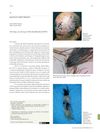 2 citations
,
February 2019 in “Anais brasileiros de dermatologia/Anais Brasileiros de Dermatologia”
2 citations
,
February 2019 in “Anais brasileiros de dermatologia/Anais Brasileiros de Dermatologia” Tufted folliculitis is common in patients with folliculitis decalvans.
5 citations
,
February 2016 in “Sultan Qaboos University medical journal” The patient had a severe itchy rash and hair loss in the armpits.
 June 2024 in “International Journal of Advanced Research in Science Communication and Technology”
 Herbal extracts like Ficus religiosa may help with hair growth and skin rejuvenation.
9 citations
,
January 2009 in “Journal of the European Academy of Dermatology and Venereology” The cream effectively reduces excessive hair growth and related skin issues without side effects.
10 citations
,
September 1994 in “International Journal of Dermatology” Three Iranian men had reddish-brown facial pigmentation with no effective treatment.
 January 2026 in “Food Science and Human Wellness”
 Flammulina velutipes polysaccharide helps the immune system fight tumors by activating certain pathways.
 August 2015 in “Dermatología Argentina”
 Frontal fibrosing alopecia causes hairline recession and eyebrow loss in postmenopausal women.
1 citations
,
January 2007 in “The Internet Journal of Dermatology” A rare, harmless skin tumor was found on a man's nose.
June 2026 in “Discover Chemistry.” Blumea eriantha DC. shows promise for medicinal use due to its various health benefits.
11 citations
,
March 2023 in “Life” The leaves and flowers of Scorzonera undulata have strong antioxidant and medicinal benefits.
 September 2017 in “Journal of Investigative Dermatology”
 Thermal imaging is a useful non-invasive method to diagnose active inflammation in frontal fibrosing alopecia.
June 2020 in “International Journal of Women’s Dermatology” Early diagnosis and treatment of frontal fibrosing alopecia are crucial for preserving hair and reducing inflammation.