 123 citations
,
May 2009 in “Journal of Neuroscience”
123 citations
,
May 2009 in “Journal of Neuroscience” In late pregnancy, allopregnanolone reduces stress responses in rats by affecting brain chemicals.
 117 citations
,
May 2017 in “Human Reproduction Update”
117 citations
,
May 2017 in “Human Reproduction Update” The update highlights that non-classic congenital adrenal hyperplasia is common in women with excess male hormones, requires specific hormone tests for diagnosis, and has various treatment options depending on age and symptoms.
 116 citations
,
December 2017 in “International Journal of Women's Dermatology”
116 citations
,
December 2017 in “International Journal of Women's Dermatology” Adult female acne treatment should be personalized, considering individual preferences and pregnancy, using various topical and oral medications while managing side effects and resistance.
 109 citations
,
April 2000 in “European Urology”
109 citations
,
April 2000 in “European Urology” Finasteride lowers risk of urinary issues and surgery by over 50% in 4 years.
 97 citations
,
February 2007 in “Clinical Obstetrics and Gynecology”
97 citations
,
February 2007 in “Clinical Obstetrics and Gynecology” The definition of Polycystic Ovary Syndrome may change with new research, and careful screening is key for managing the condition.
 93 citations
,
April 2012 in “International Journal of Cosmetic Science”
93 citations
,
April 2012 in “International Journal of Cosmetic Science” Improving skin barrier and using antifungal treatments can help manage dandruff.
 84 citations
,
November 2003 in “European journal of endocrinology”
84 citations
,
November 2003 in “European journal of endocrinology” Women with androgenic alopecia are more likely to have polycystic ovaries and higher androgen levels, which may indicate PCOS.
 78 citations
,
November 2008 in “Fertility and Sterility”
78 citations
,
November 2008 in “Fertility and Sterility” Amenorrhea is relatively rare and initial testing should check FSH, TSH, and prolactin levels.
 73 citations
,
June 2008 in “The Journal of Clinical Endocrinology and Metabolism”
73 citations
,
June 2008 in “The Journal of Clinical Endocrinology and Metabolism” Polycystic ovarian shape is a genetic sign of PCOS and its hormonal and metabolic features can be inherited.
 68 citations
,
May 2021 in “Endocrine”
68 citations
,
May 2021 in “Endocrine” People with diabetes or obesity should manage their conditions carefully as they have a higher risk of severe COVID-19.
 58 citations
,
November 2020 in “International Journal of Molecular Sciences”
58 citations
,
November 2020 in “International Journal of Molecular Sciences” SHBG may be a useful early indicator and treatment target for PCOS.
 57 citations
,
May 2014 in “Molecular Phylogenetics and Evolution”
57 citations
,
May 2014 in “Molecular Phylogenetics and Evolution” The research found how GPCR Class A Rhodopsin receptors are related and suggested possible substances they interact with.
 53 citations
,
January 2006 in “The Journal of clinical endocrinology and metabolism/Journal of clinical endocrinology & metabolism”
53 citations
,
January 2006 in “The Journal of clinical endocrinology and metabolism/Journal of clinical endocrinology & metabolism” Reduced AR gene methylation may cause early pubic hair growth in girls.
 45 citations
,
November 2012
45 citations
,
November 2012 The conclusion is that androgen receptor gene polymorphism might be a marker for polycystic ovary syndrome, but more research is needed.
 44 citations
,
April 2008 in “The Journal of Clinical Endocrinology & Metabolism”
44 citations
,
April 2008 in “The Journal of Clinical Endocrinology & Metabolism” Women with PCOS have similar levels of certain proteins compared to women without PCOS, and these proteins don't independently cause PCOS.
 38 citations
,
October 2006 in “Fertility and Sterility”
38 citations
,
October 2006 in “Fertility and Sterility” The document concludes that identifying the cause of amenorrhea is crucial for proper treatment.
 38 citations
,
June 2005 in “Contact Dermatitis”
38 citations
,
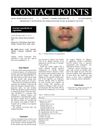
June 2005 in “Contact Dermatitis” Patient had scalp allergy from minoxidil; test helped identify cause and suggest alternative treatments.
 37 citations
,
October 2004 in “Adolescent Medicine Clinics”
37 citations
,
October 2004 in “Adolescent Medicine Clinics” Bariatric surgery may help severely obese teenagers but has risks and requires careful patient selection and long-term care.
 34 citations
,
February 2013 in “The Journal of Clinical Endocrinology and Metabolism”
34 citations
,
February 2013 in “The Journal of Clinical Endocrinology and Metabolism” Many young Italian women have hyperandrogenic disorders like PCOS, which are linked to age, body weight, and insulin resistance.
 33 citations
,
October 2016 in “European Journal of Pharmaceutical Sciences”
33 citations
,
October 2016 in “European Journal of Pharmaceutical Sciences” Effervescent formulations may improve minoxidil delivery, increasing effectiveness and reducing applications needed.
 33 citations
,
January 2011 in “Elsevier eBooks”
33 citations
,
January 2011 in “Elsevier eBooks” Systemic Lupus Erythematosus has varied symptoms and is hard to diagnose, affecting many body parts and requiring careful clinical judgment.
 30 citations
,
July 2004 in “Fertility and Sterility”
30 citations
,
July 2004 in “Fertility and Sterility” Amenorrhea is when a woman doesn't have periods, with primary amenorrhea starting by age 15 or within five years of breast development, and secondary amenorrhea when periods stop for three months. It affects 3-4% of women not pregnant, breastfeeding, or in menopause, mainly due to polycystic ovary syndrome, hypothalamic amenorrhea, hyperprolactinemia, and ovarian failure.
 27 citations
,
April 1996 in “Baillière's clinical endocrinology and metabolism”
27 citations
,
April 1996 in “Baillière's clinical endocrinology and metabolism” The document says that understanding the causes of PCOS is important for treatment, especially in distinguishing the syndrome from just having cystic ovaries, and that losing weight is key for obese women with PCOS.
 26 citations
,
March 1986 in “Clinical and Experimental Dermatology”
26 citations
,
March 1986 in “Clinical and Experimental Dermatology” Scalp hair grows at 0.37 mm/day, forearm hair at 0.18 mm/day, and thigh hair at 0.30 mm/day, with no significant differences found in people with certain hair conditions.
 25 citations
,
January 2022 in “Endocrine journal”
25 citations
,
January 2022 in “Endocrine journal” Long COVID patients may have hormonal imbalances linked to their symptoms.
 24 citations
,
June 2020 in “Industrial Crops and Products”
24 citations
,
June 2020 in “Industrial Crops and Products” Activated carbon fibers from Metaplexis japonica seed hair are highly effective for removing the dye methylene blue from water.
 21 citations
,
January 2020 in “General and Comparative Endocrinology”
21 citations
,
January 2020 in “General and Comparative Endocrinology” Lack or blocking of SRD5a, a key component in hormone creation, can lead to conditions like pseudohermaphrodism and affect hair growth, bone mass, muscle strength, and reproductive health. More research is needed on its regulation from fertilization to adulthood.
 21 citations
,
October 2019 in “The journal of investigative dermatology/Journal of investigative dermatology”
21 citations
,
October 2019 in “The journal of investigative dermatology/Journal of investigative dermatology” A specific gene change plus an additional mutation in the same gene cause hereditary trichilemmal cysts.
 21 citations
,
September 2004 in “Fertility and Sterility”
21 citations
,
September 2004 in “Fertility and Sterility” Amenorrhea, or the absence of periods, should be evaluated by age 15 or within five years of early breast development, and is most commonly caused by conditions like polycystic ovary syndrome and hypothalamic amenorrhea.
 20 citations
,
October 2008 in “European journal of endocrinology”
20 citations
,
October 2008 in “European journal of endocrinology” Lower lipin 1β in belly fat is linked to insulin resistance in people with polycystic ovary syndrome.